In a world that often tells us “no pain, no gain,” the light touch of a lymphatic drainage massage can seem counterintuitive. This therapy doesn’t involve deep pressure or intense muscle work. Instead, it uses gentle, rhythmic, and precise strokes to stimulate the delicate network of lymphatic vessels just beneath your skin. Its power lies in this subtlety. The goal isn’t to force muscles to relax but to encourage your body’s natural fluid circulation. This gentle approach is precisely what makes it so effective, and understanding what are the benefits of lymphatic drainage massage can change how you think about therapeutic bodywork.
Key Takeaways
- It supports your body’s natural detox system: This gentle massage uses light, rhythmic strokes to help reduce swelling and support immune function, making it fundamentally different from a deep tissue massage that targets muscles.
- Your ideal schedule depends on your goals: Work with a certified therapist to create a personalized plan, whether you need frequent sessions for post-surgery recovery or monthly appointments for general wellness and stress relief.
- A professional consultation is essential for safety: This therapy is not suitable for everyone, so it is important to discuss your health history with a qualified therapist to ensure it is a safe and effective choice for you.
What Is Lymphatic Drainage Massage?
You’ve probably heard of deep tissue or Swedish massage, but lymphatic drainage massage is something different entirely. It’s a specialized, therapeutic technique designed to support one of your body’s most vital, yet often overlooked, systems. Think of it less as a way to work out muscle knots and more as a way to help your body perform its natural housekeeping duties more efficiently. This gentle massage can play a huge role in your overall wellness, from reducing swelling to supporting your immune system.
How Your Lymphatic System Works
Your lymphatic system is essentially your body’s internal cleaning crew. It’s a complex network of vessels and nodes that works around the clock to clear out toxins, waste, and excess fluid. This system transports lymph, a fluid full of infection-fighting white blood cells, keeping you healthy. When it’s working correctly, you don’t even know it’s there. However, if the system gets blocked or disrupted, perhaps due to surgery or illness, fluid can build up and cause uncomfortable swelling. A specialized massage therapy session can manually get things moving again, providing relief and supporting your body’s natural rhythm.
The Gentle Technique Behind the Massage
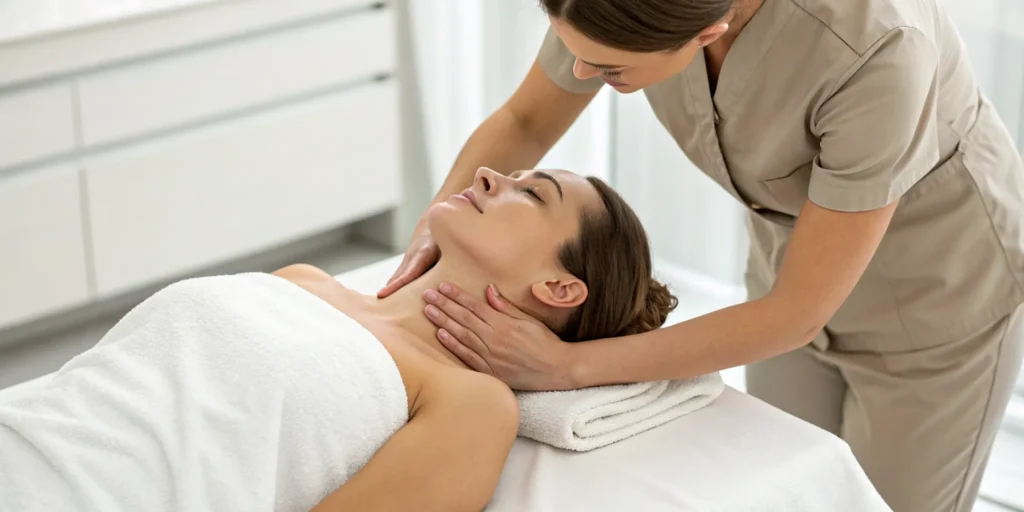
If you’re imagining the firm pressure of a deep tissue massage, you might be surprised by how a lymphatic drainage massage feels. The technique is incredibly gentle, using light, rhythmic, and wave-like strokes on the skin. The purpose isn’t to reach deep into the muscles but to stimulate the lymphatic vessels that sit just below the surface. Your certified therapist uses precise hand movements to carefully guide stagnant lymph fluid toward lymph nodes. There, the fluid can be properly filtered and processed, helping to reduce swelling and keep your system flowing freely. It’s a relaxing, subtle, and highly effective treatment.
How It Differs From a Regular Massage
While both types of massage are beneficial, their goals are fundamentally different. A traditional massage targets your muscles to release tension, relieve soreness, and promote relaxation. Lymphatic drainage massage, however, works on a more superficial level to improve the function of your lymphatic system. Its primary aims are to decrease swelling, support your immune system, and help your body process waste more efficiently. Choosing between them depends on your needs. If you want to address internal fluid retention and support detoxification, lymphatic drainage is the perfect fit for your health and wellness journey.
Key Benefits of Lymphatic Drainage Massage
Lymphatic drainage massage is more than a relaxing treatment; it’s a specialized technique supporting one of your body’s most vital systems. By encouraging the natural movement of lymph fluid, this gentle massage positively impacts everything from swelling and immunity to your skin and stress levels, leaving you feeling refreshed from the inside out.
Reduce Swelling and Fluid Retention
A primary benefit is reducing swelling and fluid retention. If you’ve ever felt puffy after an injury or surgery, this massage can help. Using gentle, precise movements, a therapist helps move trapped fluid out of your tissues and back into circulation. This can ease discomfort and tightness, promoting faster healing and restoring comfort to the affected area.
Support Your Immune System
Your lymphatic system is a cornerstone of your immune response. When lymph flows freely, your body can effectively trap and eliminate pathogens. A lymphatic drainage massage enhances this process. By improving circulation, the massage contributes to improved immune function, helping your body defend itself more efficiently. It’s a great way to support your overall wellness.
Improve Circulation and Skin Health
Healthy skin often starts from within. By improving circulation, lymphatic drainage can have a wonderful effect on your complexion. The massage helps deliver fresh nutrients to your skin cells while carrying away waste that causes dullness. The improved lymph flow can also reduce puffiness, contributing to a brighter, more radiant appearance and supporting your skin’s natural health.
Find Deep Relaxation and Stress Relief
This massage offers a unique path to tranquility. The technique involves light, rhythmic strokes that are incredibly soothing to the nervous system. Unlike a deep tissue massage, this gentle approach is designed to calm and restore. The repetitive motions are deeply meditative, helping you to feel calmer and release built-up tension. It’s an excellent choice for managing stress.
Aid Your Body’s Natural Detox Process
Your body is constantly working to filter out waste, and the lymphatic system is a key player. A lymphatic drainage massage stimulates this system, enhancing your body’s natural detoxification process. This can help you feel less sluggish and more energetic. By supporting this vital function, you’re actively helping your body maintain its internal balance, which is fundamental to overall wellness.
Is Lymphatic Drainage Massage Right for You?
Lymphatic drainage massage is a specialized, gentle therapy that offers incredible benefits, but it’s not a one-size-fits-all solution. Its unique approach is designed to support your body’s natural processes in very specific ways. Whether you’re recovering from a procedure, managing a chronic condition, or simply looking to enhance your overall wellness, understanding who benefits most can help you decide if it’s the right choice for your health journey. Let’s explore some of the key situations where this massage truly shines.
Ideal for Post-Surgery Recovery
If you’re planning for or recovering from surgery, lymphatic drainage can be a game-changer. After a procedure, it’s common for fluid to build up, causing uncomfortable swelling and slowing down your healing. This gentle massage technique helps move trapped fluid and can ease mild to moderate symptoms. It’s especially helpful for those recovering from cosmetic procedures or medical surgeries, like a mastectomy, where the lymphatic system might be disrupted. By encouraging lymph flow, you’re not just reducing puffiness; you’re supporting your body’s ability to repair itself, helping you get back on your feet feeling more comfortable and confident.
Helpful for Lymphedema or Chronic Swelling
For individuals dealing with lymphedema or other conditions that cause chronic swelling, lymphatic drainage is more than just a massage; it’s a recognized therapeutic treatment. Lymphedema occurs when your lymphatic system isn’t draining properly, leading to persistent fluid retention, often in the arms or legs. A lymphatic drainage massage can provide significant relief by manually stimulating lymph flow, which helps reduce the swelling and discomfort associated with the condition. Regular sessions can be an essential part of a management plan to improve overall lymphatic function and enhance your quality of life.
Supportive for Autoimmune Conditions
Living with an autoimmune condition often means dealing with chronic inflammation. While lymphatic drainage massage doesn’t replace medical treatment, it can be a wonderful supportive therapy. The massage helps your body’s systems run more smoothly by reducing inflammation and improving how efficiently your body processes and eliminates waste. This can lead to feeling lighter, more energized, and less burdened by the inflammatory symptoms that can accompany conditions like rheumatoid arthritis or fibromyalgia. It’s a gentle way to support your body’s physiological processes and find some much-needed relief.
Beneficial for Athletes and Fitness Lovers
If you’re dedicated to your fitness routine, you know that recovery is just as important as the workout itself. Intense exercise produces metabolic waste that can lead to soreness and fatigue. Lymphatic drainage massage is an excellent tool to add to your recovery toolkit. It helps your body process and eliminate waste more efficiently, which can speed up muscle recovery and reduce downtime between training sessions. By giving your lymphatic system a helping hand, you can get back to your workouts feeling refreshed and ready to take on your next fitness challenge.
Great for General Stress Relief and Wellness
You don’t need a specific medical reason to enjoy the benefits of lymphatic drainage. If you’re simply looking for a way to relax and invest in your overall well-being, this massage is a fantastic option. It offers a gentle, non-invasive way to stimulate your body’s natural detoxification process and support your immune function. The light, rhythmic strokes are incredibly calming for the nervous system, making it a perfect treatment for melting away stress and tension. It’s a proactive step you can take to feel your best, both inside and out.
Important Safety Considerations
While lymphatic drainage massage is known for its gentle touch, it’s a powerful therapy that works directly with your body’s circulatory and immune systems. Because of this, it’s not the right fit for everyone, and your health and safety are always the top priority. It’s essential to understand when this massage is beneficial and when it should be avoided. Think of these guidelines not as restrictions, but as tools to help you make an informed decision that truly supports your well-being.
Taking a moment to review these considerations ensures you can move forward with confidence. Before booking an appointment, it’s important to have a clear picture of your health history. This isn’t just about filling out a form; it’s about creating a partnership with your therapist to ensure the treatment is both effective and completely safe for you. This approach allows for a personalized session tailored to your specific needs and health profile. It’s the first step in your wellness journey, setting you up for a positive and healing experience from the very beginning.
Medical Conditions to Discuss First
Your well-being is a team effort, and your primary healthcare provider is a key player. Before you schedule a lymphatic drainage massage, it’s a great idea to have a conversation with your doctor, especially if you have any pre-existing medical conditions. They can offer personalized advice and confirm if this therapy aligns with your overall health plan. This simple check-in provides peace of mind and ensures that everyone involved in your care is on the same page. Being open about your health history with your massage therapist is just as important, as it allows them to tailor the session specifically to your body’s needs.
When to Avoid This Type of Massage
Certain health conditions can be complicated by lymphatic drainage massage, so it’s crucial to postpone your session if you’re experiencing specific issues. You should avoid this type of massage if you have an active infection, a fever, or cellulitis. It’s also not recommended for individuals with uncontrolled heart failure or severe kidney disease, as it can put extra strain on these organs. Similarly, if you have a current or recent history of blood clots or deep vein thrombosis (DVT), it’s best to steer clear. Your safety comes first, and waiting until your body is ready will ensure you get the full benefits of the massage without any unnecessary risks.
Why a Professional Consultation Is Key
When it comes to lymphatic drainage, the therapist’s expertise makes all the difference. This isn’t a standard massage; it requires specialized knowledge of the lymphatic system’s delicate pathways. It’s best to find a certified lymphedema therapist or a massage therapist with advanced training in this specific modality. A qualified professional will conduct a thorough consultation to understand your health history and goals before starting treatment. At Wilmarwell, our team is trained to provide safe and effective massage therapy, ensuring your experience is tailored to your unique needs. This professional guidance is what transforms a simple massage into a truly therapeutic session.
How Often Should You Get a Lymphatic Drainage Massage?
Figuring out the right frequency for lymphatic drainage massage isn’t a one-size-fits-all answer. The best schedule really depends on your personal health goals, your body’s needs, and what you’re trying to achieve. Whether you’re recovering from a procedure, managing a chronic condition, or simply adding a new practice to your wellness routine, consistency is key.
Working with a certified therapist is the best way to create a plan tailored just for you. They can assess your situation and recommend a schedule that helps you get the results you’re looking for. At Wilmarwell, our massage therapy services are designed to support your unique journey toward feeling your best, inside and out. Let’s explore some common scenarios to give you a better idea of what to expect.
Scheduling for Post-Operative Care
If you’re recovering from surgery, lymphatic drainage massage can be an incredible tool for healing. It helps reduce the swelling, bruising, and discomfort that often follow a procedure. For post-operative care, it’s common to schedule two to three sessions per week for the first few weeks. This frequent approach helps your lymphatic system process excess fluid more efficiently, which can speed up your recovery and improve your comfort. It’s a gentle way to support your body when it needs it most. As you heal and the initial swelling subsides, your therapist will work with you to taper down the frequency.
Frequency for Managing Chronic Conditions
For those dealing with chronic conditions like lymphedema, fibromyalgia, or other inflammatory issues, regular lymphatic massage can be a game-changer. A consistent schedule of one to two sessions per week often helps manage symptoms and reduce flare-ups. This regularity supports your body’s ability to handle inflammation and fluid buildup. If your goal is more about general detoxification or supporting your immune system, a session once or twice a month might be perfect. A holistic wellness plan that includes lymphatic massage can make a significant difference in your daily comfort and vitality.
Maintenance for General Wellness
You don’t need a specific medical reason to benefit from lymphatic drainage massage. Many people incorporate it into their routine for general health maintenance and stress relief. Once you’ve addressed any initial concerns like significant swelling, a maintenance schedule of once every one or two weeks is a great way to keep your lymphatic system functioning optimally. Think of it as a tune-up for your body. This proactive approach helps support your immune function, improve skin clarity, and keep you feeling light and energized as part of a balanced lifestyle.
What to Expect During Your Appointment
Knowing what happens during a lymphatic drainage massage can help you feel more comfortable and get the most out of your session. From the initial chat to the gentle techniques used, each step is designed to support your body’s natural processes. It’s a calm, restorative experience aimed at enhancing your overall well-being.
Your Initial Assessment and Consultation
Your appointment will begin with a conversation. Your therapist will ask about your health history, any specific concerns you have, and what you hope to achieve with the massage. This is your time to share your goals, whether you’re seeking relief from post-surgery swelling or simply want to support your body’s wellness. For specific conditions like lymphedema, it’s essential to work with a certified therapist who has specialized training. Our team at Wilmarwell is here to create a personalized massage therapy plan that’s safe and effective for you, ensuring your unique needs are met from the very start.
Techniques Your Certified Therapist Will Use
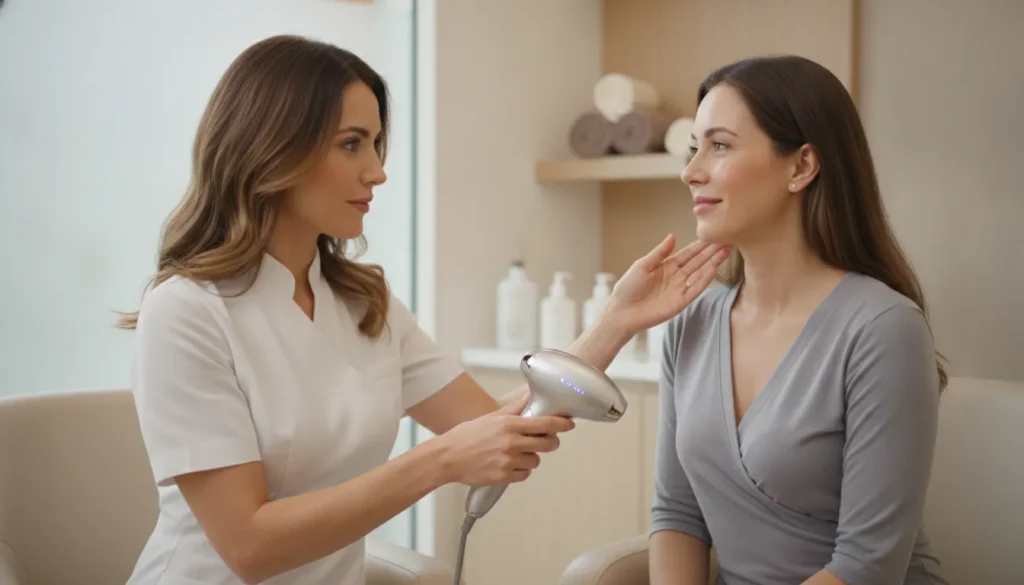
Lymphatic drainage, also called manual lymphatic drainage (MLD), involves very gentle, rhythmic strokes. Unlike a deep tissue massage, the pressure is light and is meant to stretch the skin in specific directions. The goal is to encourage the movement of lymph fluid toward lymph nodes where it can be filtered. Your therapist will use precise, wave-like hand movements on areas like your neck, armpits, and groin to stimulate the entire lymphatic system. While you might see self-massage tools online, the effectiveness of a professional session comes from a therapist’s deep understanding of the lymphatic system’s pathways and their ability to apply just the right touch.
Clearing Up Common Misconceptions
Let’s clear up a few things you might have heard. First, while lymphatic drainage can temporarily improve the appearance of skin by reducing fluid retention, it is not a cure for cellulite. Second, this massage isn’t just for serious medical conditions. While it’s incredibly helpful for lymphedema or post-surgical recovery, its benefits extend to general wellness. Many people find it helps with stress, fatigue, and feeling sluggish. It’s a wonderful tool for anyone looking to support their body’s natural detoxification process as part of a proactive health and wellness routine.
Pairing Your Massage with Other Wellness Services
A lymphatic drainage massage works beautifully alongside other treatments to enhance your results. If you’ve had an aesthetic procedure, it can help reduce swelling and speed up your recovery. It’s also a fantastic addition to a medical weight loss program, as it supports your body in processing and eliminating waste more efficiently. For those focused on fitness, it can aid muscle recovery and reduce soreness. Think of it as a supportive therapy that complements your other wellness efforts, helping your body function at its best from the inside out.
Related Articles
- Medical Spa & Wellness Services in Richmond, TX | Wilmarwell
- MDPEN Ultra Microneedling: Transform Skin, Reduce Wrinkles & Scars | Wilmarwell
- Beauty Infusion Treatments | IV Therapy for Radiant Skin in Richmond, TX
- Medical Spa in Richmond TX | Botox, Microneedling | Wilmarwell
Frequently Asked Questions
Will a lymphatic drainage massage hurt? Not at all. In fact, it’s one of the most gentle forms of massage you can get. The technique uses very light, rhythmic strokes that are designed to stretch the skin, not press into the muscles. The entire experience is meant to be deeply relaxing and soothing, so you should feel comfortable throughout the session.
How will I feel right after the massage? Most people feel incredibly relaxed and light immediately following a session. You might also notice a visible reduction in puffiness or swelling. It’s also common to feel a little tired as your body begins to process the mobilized fluid and waste, so we recommend drinking plenty of water and taking it easy for the rest of the day.
Can this massage help me lose weight? While lymphatic drainage is not a weight loss treatment by itself, it can be a fantastic supportive tool. The massage helps reduce fluid retention and bloating, which can make you feel lighter and more comfortable. By supporting your body’s natural detoxification process, it complements a healthy diet and fitness routine, making it a great addition to a medical weight loss plan.
How is this different from a deep tissue massage? The two massages have completely different goals. A deep tissue massage uses firm pressure to target muscle knots and relieve tension deep within the muscle fibers. Lymphatic drainage, on the other hand, uses very light pressure to stimulate the lymphatic vessels just beneath the skin. Its purpose is to encourage fluid movement and support your body’s internal cleaning system, not to work out sore muscles.
Do I need a specific medical reason to get one? Absolutely not. While this massage is highly effective for post-surgical recovery or managing chronic swelling, it’s also a wonderful treatment for general wellness. Many people book sessions simply to reduce stress, support their immune system, or help their body feel less sluggish. It’s a proactive way to maintain your health and feel your best.