
Reactive skin can make any resurfacing treatment feel like a question mark. A history of stinging, redness, or unpredictable flare-ups does not automatically decide the answer, but it does make the planning conversation more important than a one-size-fits-all protocol.
Call Wilmarwell at (832) 495-7404 to discuss your skin and treatment goals.
Sensitive skin does not automatically rule out micro needling. A qualified provider should first assess your skin’s current condition, discuss your history and products. And determine whether MDPEN Ultra treatment in Richmond, TX should be adjusted, approached gradually, or deferred.
The safest decision is based on how your skin is behaving now, not only how it has reacted in the past. That assessment starts with candidacy, including the signs that suggest your skin may be ready and the signals that call for a pause.
Does Sensitive Skin Automatically Rule Out Micro Needling?
Not necessarily. Sensitivity is not a simple yes-or-no label, and a history of irritation does not automatically mean you cannot be considered for treatment. The more useful question is whether your skin is currently stable enough for a carefully planned procedure, and whether the approach can be adjusted to respect its limits.
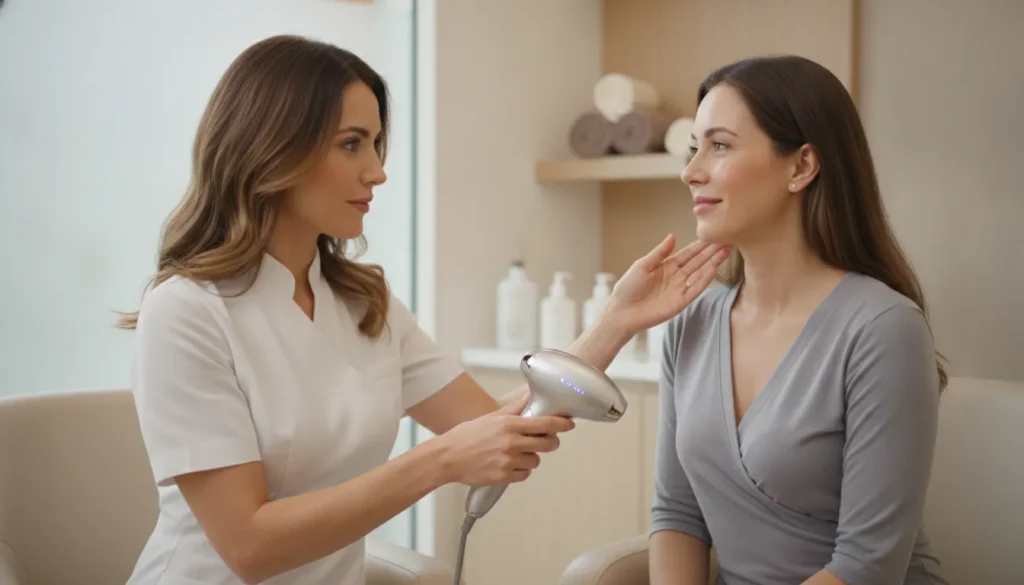
A professional assessment should begin with your skin’s current sensitivity level, not just your general skin type. Your provider may look for current redness, irritation, tenderness, uneven inflammation, or other signs that your barrier is under stress. That evaluation helps determine whether micro needling is appropriate now and whether the treatment plan should use a more conservative depth or intensity. At Wilmarwell, the consultation process is designed to tailor the approach to the condition of your skin at that visit. Rather than pressure you into proceeding when your skin is not ready.
What should you disclose before treatment?
Share your full skin history and any recent changes. Mention recurring reactions, current products, recent procedures, and any condition that causes flare-ups. A history of cold sores is especially important to disclose because micro needling could potentially trigger a flare-up. This information gives your provider a better basis for deciding whether to proceed, modify the plan, or recommend waiting.
Be equally direct about how your skin feels on the day of your appointment. Active inflammation, an infection, or a severe flare-up may be reasons to defer treatment during the pre-procedure check. Delaying is not a failure or a rejection of your candidacy. It is a way to avoid adding controlled skin injury while your skin is already responding to another problem.
Why provider judgment matters
Micro needling is a customizable procedure, but customization depends on the skill and judgment of the provider. During a session, early discomfort or signs of reactivity may lead the provider to decrease the depth or intensity. That decision should be guided by what your skin is showing, not by a preset treatment plan or a promise to maintain a particular level of intensity.
For patients in Richmond, Katy, Sugar Land, and nearby Fort Bend communities, the goal should be an individualized conversation with a qualified provider. A thoughtful plan may involve proceeding conservatively, adjusting the treatment, or waiting until the skin is calmer. Wilmarwell’s approach is to respect each patient’s skin limits and move forward only when sensitive or reactive skin appears ready.
How to Prepare Sensitive Skin Before an Appointment
Preparation is less about making your skin “perfect” and more about giving your provider an accurate picture of what it can tolerate. A calm, informed approach can help your appointment stay focused on safety and an appropriately gentle plan. Use this checklist before your micro needling visit, then follow any individualized instructions from your provider.
- Share your complete medication and product list. Tell your provider about prescription medicines, over-the-counter products, supplements, and anything you regularly apply to your face. Include retinoids, exfoliating acids, acne treatments, brightening products, and other active ingredients. Also mention recent procedures, known sensitivities, and any history of reactions. This information helps your provider decide whether the planned treatment needs to be adjusted or postponed.
- Ask before stopping a prescribed product or medication. Strong active ingredients, such as retinoids or exfoliants. May need to be paused for three to five days before treatment to reduce the chance of excessive irritation on sensitive skin. However, that timing is not a universal instruction for every person or prescription. Ask your provider how to handle each product, and do not stop a prescribed medication on your own. If the product is medically necessary, your provider may recommend a different plan or defer the appointment.
- Keep your routine gentle while you prepare. Avoid experimenting with new skincare products or adding extra exfoliation in the days before your visit. A simple routine can make it easier to identify what your skin is reacting to and gives your provider a clearer baseline. If your skin is already unusually irritated, painful, or visibly inflamed, report that before the appointment rather than trying to conceal it with additional products.
- Support hydration before treatment. Keep your body and skin well-hydrated in the period leading up to your appointment. Hydrated skin may support a more efficient healing response than dehydrated skin. This does not replace a clinical assessment, and drinking more water cannot make treatment appropriate if your skin is actively reacting. Follow your provider’s advice if you have a medical reason to limit fluids.
- Ask about post-care products and patch testing. Before the appointment, ask which soothing or recovery products your provider recommends and whether you should test them first. For sensitive skin, a new post-care product can be patch tested in a discreet, small area before full application to check whether it is tolerated. Do not assume that a product labeled gentle will work for your skin. If a patch test causes a reaction, tell your provider and bring the product information to your visit.
Preparation also includes being candid on the day of treatment. If your skin condition or routine has changed, mention it before any work begins. Your provider can then decide whether to proceed as planned, customize the approach, or recommend waiting until your skin is ready.
Questions to Ask at a Micro Needling Consultation
A thoughtful consultation should leave you with a clear plan, not pressure to proceed. If your skin is sensitive or reactive, bring a short history of recent irritation, products, procedures, and any changes you have noticed. The right questions help you understand how the treatment will be adapted to your skin and how you will be supported afterward.
How will you choose the depth and intensity for my skin?
Ask how the provider will assess your current sensitivity and whether the treatment settings can be adjusted by area. The MDPEN Ultra is designed for precision, with adjustable depth and intensity that can support a more individualized approach for sensitive areas. That does not mean one setting is appropriate for every patient or every session. Your provider should explain what they are considering and what signs would lead them to use a gentler approach. You can review the MDPEN Ultra microneedling treatment to understand the device used at Wilmarwell.
What device and cartridge safety procedures do you follow?
Ask whether the device is medical-grade, how it is cleaned between patients, and whether the needle cartridge is sterile and single-use. MDPEN Ultra is selected for professional skin rejuvenation because it offers consistent depth control. While Wilmarwell’s service information identifies sterile, single-use needle cartridges as part of its treatment specifications. A provider should be comfortable answering these questions directly and explaining the safety steps used before treatment begins.
What recovery should I expect, and what products will soothe my skin?
Ask how much redness or sensitivity is expected, how long recovery may take for your skin, and which cleanser, serum, or moisturizer is appropriate afterward. Patients with reactive skin should also ask which products or active ingredients to avoid while the skin recovers. New post-care products may be worth patch testing in a discreet area before applying them broadly, depending on your provider’s instructions.
What should I do if my reaction seems stronger than expected?
Ask for specific instructions about unusual redness, heat, discomfort, or other changes, including who to contact and how quickly. Mild redness can occur, but excessive or prolonged heat and redness should be reported to the clinic for guidance. Speak up during the session as well. If you feel significant discomfort or your skin begins showing early reactive signs, the provider can decrease the depth or intensity.
How experienced are you with reactive skin, and how will the plan change?
Provider skill matters because safety and treatment quality depend heavily on experience. Ask how the provider approaches sensitive skin, what they will monitor during the appointment, and how they decide whether to continue, modify, or defer treatment. Ask how your response will shape later sessions rather than assuming every appointment will use the same settings. Ongoing communication allows the plan to be adjusted if your skin’s needs or reactions change.
When Should a Provider Modify or Defer Treatment?
For sensitive or reactive skin, a safe plan can change based on what your provider sees and what you feel during the appointment. Modifying treatment means proceeding with a gentler approach. Deferring means waiting until the skin is in a better condition before creating new micro-injuries. These are different decisions, and neither should be treated as a failure or a lost opportunity.
| Decision. | When it may happen. | What it can mean. |
|---|---|---|
| Modify. | During the appointment, if discomfort or early reactive signs appear. | Reduce depth or intensity, or use a gentler approach for the affected area. |
| Defer. | Before treatment, if active inflammation, infection, or a significant flare-up is present. | Wait until the skin is more stable, then reassess candidacy and the plan. |
When treatment may be modified during a session
Your provider may decrease the depth or intensity if you report discomfort or if the skin begins showing early signs of reactivity. The adjustment may apply to a particular area rather than the entire face. Sensitive zones can respond differently, so real-time communication matters. Tell your provider promptly if the sensation becomes uncomfortable, if an area feels unusually hot, or if redness appears stronger than expected. Remaining quiet to avoid interrupting the appointment does not protect your skin.
Adjusting the plan is part of individualized care. The appropriate depth and intensity depend on your skin’s current condition, the treatment area, and how your skin responds. A provider should be able to explain what is being changed and why, rather than treating the same settings as appropriate for every patient.
When it may be better to defer before treatment
A provider may recommend postponing micro needling when the pre-treatment check shows active inflammation, an infection, or a significant flare-up of a reactive skin condition. Creating additional controlled injury while the skin is already inflamed may not be the right choice. Deferral gives the current concern time to settle and allows the treatment plan to be reconsidered when the skin is more stable.
Be candid about what is happening at home and what you notice in the treatment area. Share recent changes in irritation, unusual tenderness, new lesions, a history of cold sores, or a flare that has not returned to its usual baseline. Your provider needs the clearest picture possible, including information that might seem minor or embarrassing. Honest disclosure supports a more accurate candidacy decision and may prevent an avoidable reaction.
What to monitor after treatment
Mild redness can be part of the expected healing response. However, excessive or prolonged redness, persistent heat, or worsening discomfort on sensitive skin should be reported to your provider for guidance. Do not assume that a stronger reaction is simply something you must tolerate. Contact the clinic and describe when the symptom began, how it is changing, and which areas are affected.
At Wilmarwell, the goal is skin rejuvenation that respects individual limits. A thoughtful provider may modify, pause, or defer treatment when the skin calls for it. That willingness to adjust is a sign of responsible care, not a lack of commitment to your treatment plan.
Aftercare That Helps Reactive Skin Recover
After micro needling, reactive skin may show a more noticeable recovery pattern. Mild redness and possibly light peeling can appear during the initial healing stage, so keep your routine simple and follow the specific instructions from your provider. The goal is to protect the skin barrier while it settles, not to accelerate the process with extra products.
Keep cleansing and moisturizing gentle
Use a mild, hydrating cleanser and lukewarm water. Clean your hands before touching the treated area, and avoid scrubbing, brushes, exfoliating tools, or picking at peeling skin. Apply only the soothing products your provider recommends. Skip harsh active ingredients, including strong exfoliants and other products that sting, until your skin has fully recovered. A product that was comfortable before treatment may feel irritating while the skin is more sensitive.
Hydration matters during recovery. Drink water regularly and use a simple moisturizer if your provider approves it. Well-hydrated skin may support a more efficient healing response, while dehydrated skin can be harder to keep comfortable. If you were given a specific post-treatment serum or moisturizer, ask how often to use it rather than adding several new products at once.
Protect your skin from sun and heat
Direct sun exposure can increase irritation while the skin heals. Avoid intentional sun exposure and use the sunscreen recommended by your provider. Daily SPF is an important part of post-treatment care because recovering skin is more vulnerable to UV-related irritation. Reapply as directed, and use physical shade, a hat, or other coverage when you are outside. Do not use tanning beds during recovery.
For the first 24 to 48 hours, avoid strenuous exercise and heavy sweating. Sweat can irritate fresh micro-channels, and heat may make reactive skin feel more uncomfortable. Follow your provider’s guidance about hot tubs, saunas, and other heat-producing activities, since your recovery needs may differ from someone else’s.
Introduce products cautiously and report unusual changes
Patch test any new post-care product in a discreet, small area before applying it more broadly. This extra step can help identify a reaction before it affects the full treatment area. Do not assume that increased discomfort is something you must simply tolerate. Contact your provider for guidance if you notice unusual or persistent heat, excessive redness, or a reaction that concerns you. Mild redness can be part of healing, but prolonged or excessive heat and redness should be reported promptly.
These are general education points, not a substitute for your provider’s instructions. Keep communication open throughout recovery so your care team can adjust recommendations to your skin’s response.
Frequently Asked Questions
Can I have micro needling if my skin is sensitive?
Sensitive skin does not automatically rule out treatment, but candidacy depends on your skin’s current condition and history. A provider should assess your sensitivity, discuss your goals, and determine whether the depth and intensity should be adjusted. If your skin is actively inflamed or experiencing a significant flare, waiting may be the safer choice.
Should I stop my skincare products before treatment?
Ask your provider about every product you use rather than stopping prescribed medication on your own. Wilmarwell’s clinical guidance commonly includes pausing strong actives such as retinoids or exfoliants three to five days before treatment, particularly for sensitive skin. Keeping your routine gentle and staying well hydrated can also help you prepare.
What should I ask about MDPEN Ultra for reactive skin?
Ask how the provider will select treatment depth, what recovery may feel like, which soothing products are recommended, and what to do if irritation develops. MDPEN Ultra allows adjustable depth and intensity, while sterile, single-use needle cartridges support a controlled professional treatment. Provider experience and communication remain important parts of the safety plan.
When should micro needling be postponed?
Treatment may need to be deferred when the skin shows active inflammation, infection, or a severe flare-up. Tell your provider about current symptoms, unusual redness or heat, discomfort, and a history of cold sores before the appointment. During treatment, your provider may reduce the depth or intensity if your skin becomes uncomfortable or shows early reactive signs.
What aftercare is important for sensitive skin?
Follow the individualized instructions from your provider, including gentle cleansing, hydration, sun protection, and avoiding harsh active products while the skin recovers. Avoid strenuous exercise and heavy sweating for 24 to 48 hours, and patch test any new post-care product in a discreet area first. Report excessive or persistent redness or heat promptly.
Contact Wilmarwell About Your Micro Needling Plan
If your skin is sensitive or reactive, a personalized discussion can help clarify whether MDPEN Ultra micro needling should be modified, deferred, or considered with appropriate preparation. Share your current skin concerns, products, and any recent irritation so the team can better understand your situation.