Deep acne scars often persist long after the initial breakouts have finally cleared. Clinical treatments focus on rebuilding the skin from within to restore a smooth and even texture.
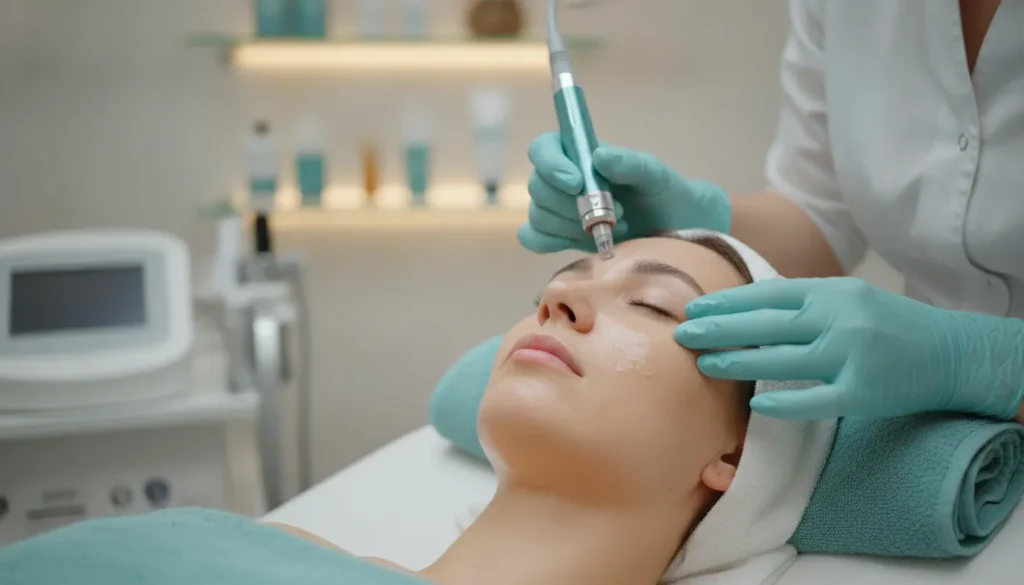
Medical microneedling for acne scars uses a clinical device with fine needles to create tiny, controlled punctures in the skin surface. This process triggers your natural healing response and supports the growth of new collagen and elastin fibers. Most patients need a series of sessions spaced several weeks apart. Results vary by scar type, depth, skin response, and treatment plan.
Choosing the right path begins with understanding how your scars formed and what the treatment can realistically change.
How microneedling for acne scars works
Microneedling is a modern way to improve skin texture and reduce the look of deep marks. Many people use microneedling for acne scars because it is safe and works with your body. Instead of using heat or harsh chemicals, this method uses physical touch to wake up your skin. It helps the skin repair itself from the inside out without long downtime. This makes it a popular choice for busy people who want results.
The power of micro-injuries
This process starts with tiny, clean needles that make very small holes in the top layer of skin. These are called controlled micro-injuries. They do not leave new scars, but they tell your body that the area needs help. According to the American Academy of Dermatology, these tiny punctures trigger your natural healing response. This path leads your skin to create new collagen and elastin. This natural fix helps to mend the texture of the skin from deep within.
Building new collagen
Acne scars form when the skin does not heal well after a breakout. The skin often makes too much or too little collagen. This leaves a pit or a bump on your face. Microneedling helps by breaking up the old, stiff scar tissue that causes these marks. Studies show that this treatment leads to a rise in collagen types I, III, and VII. As these new fibers grow, they fill in the dips in your skin. Over time, this makes the surface look more level and smooth.
What to expect during your visit
At Wilmarwell, your safety is our first focus. Every person must have a brief medical exam before their first visit. A trained expert uses the MDPEN Ultra device to ensure the best results. This tool has needles that we can set to the right depth for your specific scars. Sessions last about 60 minutes and take place in a calm, clinical setting. You can also add microneedling with PRP for scarring to help your skin heal even faster.
Most people see a change after just one or two visits. But, the skin needs time to build new tissue. You will likely need a series of sessions spaced a few weeks apart to get the best look. This slow and steady path ensures the new collagen is strong and healthy. Since the process is natural, the results can last a long time. It is a great way to handle treating acne scars with microneedling while keeping your skin healthy.
Which acne scar types may respond?
If you deal with skin marks from past breakouts, you may want to try microneedling for acne scars. This care uses a medical tool to make tiny holes in your skin surface. These small pokes wake up your body’s healing power. When your skin heals, it makes new collagen and elastin. This helps the skin look smoother and firmer over time.
Not all scars are the same. Most people have atrophic scars, which look like pits or holes in the skin. These scars happen when the skin loses tissue during a breakout. This care is often a great choice for these types because it helps build new skin layers from the inside out. At Wilmarwell, our RN-led team uses the MDPEN Ultra tool to give you a safe and clear care plan.
Atrophic scars and pits
Rolling scars are a common type that looks like waves on the skin. They have soft, wavy edges that blend into the face. Boxcar scars are also common. They are wider and have sharp sides that look like a box. Both types may respond to microneedling because collagen remodeling can gradually soften their appearance. Individual outcomes vary.
To get even better results, you can add growth factors to your care. Many people choose microneedling with PRP for scarring to help the skin heal faster. PRP uses your own blood to boost the power of the treatment. This can be very helpful for deep boxcar scars that need extra care. Most plans involve 3 to 6 visits to see the best change in your look.
Ice pick and raised scars
Ice pick scars are small but go very deep. They look like someone poked the skin with a thin pin. Because they are so deep, they can be harder to fix with needles alone. You may need more visits or other ways to smooth them out. We look at each scar during your check-up to find the right depth for the needles. This helps us tailor the care to your skin.
Raised scars, or hypertrophic scars, are different. They look like firm bumps that sit on top of the skin. They happen when the body makes too much tissue while healing. Microneedling is mostly for pits rather than bumps. But it may still help soften the area or prepare it for other ways to heal. It is best to talk with an expert to see if this path is right for your bumps.
A custom plan for your skin
Each face is unique and often has more than one kind of scar. A good plan will look at your skin type and the depth of your marks. Expert care is safer and works better than at-home tools. We use medical-grade tools that can reach the deep layers where scars start. Our experts will guide you through each step to make sure you stay safe and get the look you want.
Your care plan will likely space visits about 4 to 6 weeks apart. This gives your skin time to make new cells and collagen. We are here to help you feel good about your skin again. Our team in Richmond gives expert, clinical care in a luxury setting. We focus on long-term health and beauty for every person we treat.
| Scar Type | Skin Look | Response Level | Main Goal |
|---|---|---|---|
| Rolling | Wavy pits with soft edges | High | Smooth skin texture |
| Boxcar | Wide pits with sharp edges | High | Fill in deep pits |
| Ice Pick | Very deep and narrow holes | Moderate | Reduce hole depth |
| Raised | Thick bumps above the skin | Low | Soften scar tissue |
Studies show that most people see a clear change in their skin after these treatments. While side effects like redness can happen, they are usually rare and go away fast. Following the right care steps after each visit will help you get the best and safest results. For any medical care, it is vital to work with a trained team to protect your skin.
Who is a good candidate for treatment?
Most people with skin issues can get help from this care. If you have pits from past breakouts, you may find that microneedling for acne scars is a good fit. This method works well for those who want to smooth their skin without much time off. Studies show that this plan can fade scars by a large amount in many cases (PMC5418754).
The best people for this care are in good health and have real goals for their skin. This care is not a quick fix but a way to help your body heal itself. Most see a big change after a few visits. It is a safe path for those who want to avoid harsh tools or long rest times after a visit.
Ideal skin types and concerns
Microneedling works on almost all skin tones. It is a top choice for people with atrophic scars, which look like small pits or craters. It also helps with rough skin and large pores. Since the tool does not use heat, it carries a low risk for those with darker skin. Many choose this path because it helps the skin make new collagen (PMC4509584).
You might be a good fit if you have:
- Pitted or rolled acne scars.
- Fine lines or large pores.
- Sun damage or dark spots.
These issues often react well to the tiny needle marks. The marks start the body’s healing process that fills in the scars over time.
When to wait
Not everyone should start care right away. If you have active acne, you must wait until your skin clears. The needles can spread germs from active pimples to other parts of your face. This could lead to more breakouts or even skin issues. You should also wait if you have an open wound or a skin rash in the area you want to treat.
Some health issues may also mean you should skip this care for now. If you take certain blood drugs or have a past of poor healing, talk to your doctor first. People who have used some strong acne drugs in the last six months may also need to wait. Safety is the main goal when treating acne scars with microneedling.
The value of an expert check
An expert must look at your skin before any work begins. At Wilmarwell, we check your health and skin goals during a Good Faith Exam. This step makes sure the plan is safe for you. Our team of experts will look at your scar types to pick the best needle depth. This help is vital for getting the best results while keeping your skin safe.
Expert care also means using pro tools that reach deeper than home kits. Our RN-led team uses clean tips and safe methods to keep you safe. We can also add PRP to your plan to help your skin heal faster. An expert check ensures that your care fits your exact needs and skin type.
What does a typical treatment course involve?
Your journey to smoother skin starts with a clear plan. We focus on your unique needs to get the best results for your skin type. At Wilmarwell, our staff guides you through every part of the process. Each step helps you stay safe and comfortable while we fix your skin concerns.
Your first steps
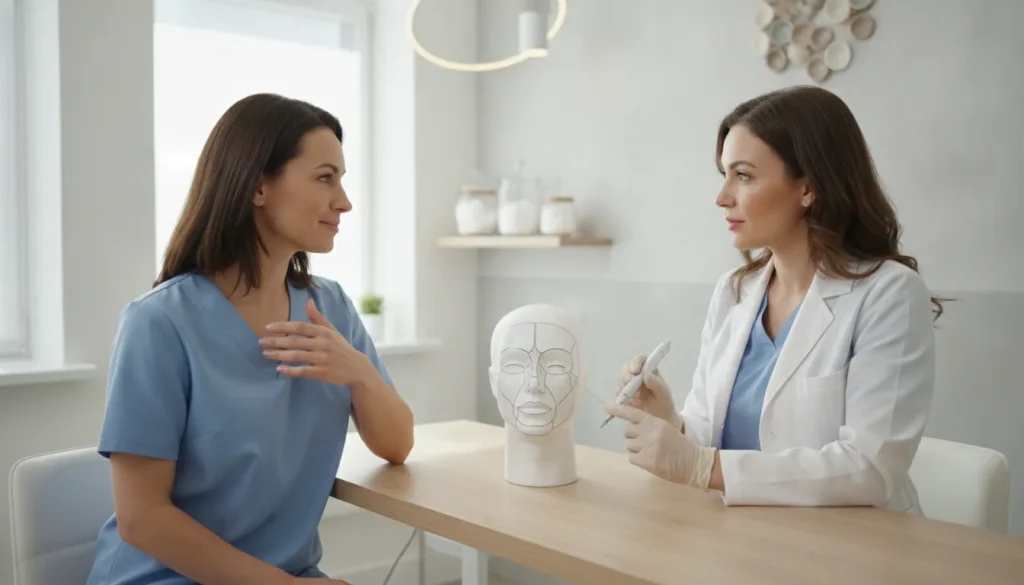
Before any work begins, you will meet with a skilled nurse for a full skin check. This talk helps us see how deep your scars are and what your skin needs most. We look at your health history and past skin issues to make sure microneedling for acne scars is right for you. This first time is key to a smooth and good path.
During this visit, you may also have a Good Faith Exam. This step is a medical check to confirm you can safely have the treatment. We will talk about your goals and what to expect as your skin heals. This clear talk builds trust and helps you feel ready for your skin change.
The treatment sequence
A good plan uses steps that build on each other. This order keeps your skin safe and boosts how much collagen your body makes. Most people see the best changes after a full set of visits rather than just one.
- The First Visit: You meet with an expert to talk about your skin and goals. They check your scar depth and set a custom plan for your needs.
- Skin Prep: You should avoid strong sun and some skin products for a few days. On the day of your visit, we clean your face and may use a numbing cream to help you stay relaxed.
- The Main Work: A pro uses a tool with tiny needles to create small paths in your skin. This step starts your body’s own healing work to fill in old scars.
- Added Boosters: You can choose to add microneedling with PRP for scarring to your visit. This uses your own plasma to help your skin heal faster and grow new cells.
- Post-Care Rules: After the work, your skin will look pink like a light sunburn. You will get a list of simple steps to follow at home to protect your skin while it mends.
- The Next Rounds: Most plans need 3 to 6 sessions to get the best look. Each visit is spaced about 4 weeks apart to give your skin time to grow new collagen.
Expected results and spacing
Waiting is a big part of skin care. It takes time for your body to build new skin layers and smooth out deep marks. You may start to see changes in how your skin feels after your first few visits. But the full effect often shows up weeks after your last session.
A study in the Journal of Cutaneous and Aesthetic Surgery shows that three visits are a common starting point. Most plans space these visits 4 to 6 weeks apart. This gap lets the new collagen settle and keeps your skin from getting too tired. Sticking to this plan is the best way to see long-lasting gains.
Deep or old scars might need more time and more visits. Some people find that 6 or more sessions help them reach their goals. Our team will check your progress at each visit and change the plan if needed. This careful eye ensures your path to clear skin stays on track.
Recovery and aftercare after microneedling
Most people return to their normal tasks right after their session. Your skin will look and feel like you have a mild sunburn. This is a normal part of how microneedling for acne scars works to heal your skin. The redness usually fades in one or two days as your body starts its natural repair process.
First day after treatment
Right after your treatment, your skin may feel tight and warm. You might see some minor swelling or small red dots. These signs show that the treatment has triggered your skin to make new collagen. This process is how the treatment helps to smooth out deep scars over time.
Do not apply makeup or skin products for the first full day. You should only use the gentle cleanser and cream your expert gives you. Keeping the area clean and hydrated helps your skin heal without any trouble. It also lowers the risk of rare side effects like small bumps or mild peeling.
To see the best results, you will need to plan for a series of visits. Most people see the best change after 3 to 6 sessions spaced about 4 weeks apart. Between these visits, you must keep your skin healthy so it can keep building new tissue.
Skin care and sun safety
Adding treatments like microneedling with PRP for scarring can help your skin heal even faster. This method uses your own growth factors to boost the repair process. This can shorten your downtime and help you get back to your routine sooner.
Once 24 hours have passed, you can go back to a simple skin care routine. Use a mild soap and a light cream to keep your skin soft. Avoid these items for at least one week:
- Harsh face scrubs or brushes
- Skin acids like AHA or BHA
- Vitamin C or retinol creams
- Hot saunas and heavy gym workouts
Sun protection is the most important part of your aftercare. Your skin will be sensitive to light for several days. Wear a broad-spectrum sunscreen with SPF 30 or higher every day. According to the American Academy of Dermatology, this helps prevent dark spots and protects the new skin cells being made.
Warning signs and safety
While healing is usually fast, you should watch for any odd signs. Most redness and swelling will go away on their own within a few days. But you must reach out to your team if you see yellow crusting or feel intense pain. These could be signs of a skin infection that needs quick care from a medical pro.
It is also wise to check in if your redness lasts longer than one week. While rare, some people may have side effects like long-term marks if they do not follow the care steps. Always follow the specific plan your RN gives you to get the best results for your skin.
Professional microneedling versus at-home devices
Many people want to fix skin flaws at home. You may see small rollers with tiny needles for sale online. These tools are often cheap and easy to find. But there is a big gap between home tools and a clinic visit. Expert care offers better safety and deeper reach into the skin.
Home tools can be a good start for a glow. But they are not a fix for deep marks. If you have pitting or rough skin, a home roller will likely not do much. You need medical tools to reach the layers where scars live. This is why many people seek microneedling for acne scars from a trained expert.
Deep scars need deep care
The main gap is needle length. Home rollers usually have short needles. These needles only touch the top layer of your skin. This helps your face creams soak in better. But it does not trigger the deep healing needed to smooth out old scars. It is a surface fix for a brief glow.
In a clinic, a medical expert uses tools with longer needles. These needles go deep into the dermis. This is the layer where your skin makes new collagen. Clinic tools are also more powerful. They create a strong healing response that home tools cannot match. This deep work is what makes the most change in how your skin looks.
Sterile tools for safer skin
Safety is a big worry with home use. It is hard to keep a home roller clean. If you use it more than once, bacteria can grow on the needles. This can lead to skin breakouts or even bad infections. Most people do not have the tools at home to kill all germs on a needle roller.
Medical clinics use sterile, single-use tips. At Wilmarwell, we use a new needle set for every person. This keeps your skin safe. Studies show that skin needling is a safe way to help scars without a high risk of infection. An RN oversees our visits to make sure every step is clean and safe for you.
Better results with expert help
A clinic visit is not just about the tool. It is about the person using it. We can set the needle depth based on your skin type. Some parts of your face have thinner skin than others. A pro knows how to adjust the tool so it helps but does not harm. This level of care is not possible with a basic home stamp.
Home tools do not give the same results as clinic care. At Wilmarwell, we use the MDPEN Ultra device to target deep scarring. We also offer ways to boost your healing. You can add PRP to your visit to help your skin mend faster. This mix of expert skill and medical tools leads to a better look. Your skin will feel smoother and more even over time.
- Clinic devices use longer, more powerful needles.
- Clinic visits use sterile, one-time needle tips.
- Experts can set the tool for your specific skin needs.
- Home rollers mostly help with skin cream soaking.
What results and limitations should you expect?
When you start treatment, it is vital to have clear goals. Most people see a real change in their skin, but results take time. Your body needs weeks to build new collagen and fix old damage. You will likely see skin get smoother and firmer as the months pass. This path requires patience as your skin heals from within.
Gradual skin change
You should expect improvement, not perfection. Microneedling for acne scars can soften the look of suitable scars, but it does not make them fully vanish. The process works gradually as your skin produces new collagen. Your response will depend on the scars and your treatment plan.
Studies found a big rise in collagen types I, III, and VII after the work is done. This new growth fills in pits and smooths out the surface. You can read more about this in health reviews on skin care. Most people see the best change after a full course of care. You need to wait for your body to do its job and build new layers of support.
Factors in your plan
Every face is unique, so every plan varies. Deep scars often need more work than light ones. A standard plan might take three to six visits. These visits are usually four to six weeks apart. This gap gives your skin enough time to heal and build new tissue between each session. If you skip visits, your results may not be as strong.
Your age and health also play a part. Young skin often heals faster and makes more collagen. If you have deep pits, you might need more than six visits to get the look you want. We will talk about your goals and skin type when you book an appointment with us in Richmond. Our RN-led team tracks your progress to adjust the plan as needed for your own skin needs.
Safety and combined care
This treatment is generally well tolerated when an appropriately trained professional treats a suitable candidate. Short-term redness, swelling, tenderness, or small bumps can occur. Infection, pigment changes, and scarring are possible risks. Your provider should explain benefits, risks, and alternatives before treatment.
We often use other tools to help you reach your goals faster. Adding PRP or PRF can help your skin heal more quickly and deeply. These options use your own growth factors to boost the results of the MDPEN device. We will help you pick the right mix of care for your needs. This way, you get the best out of every visit and see your skin glow again.
Frequently Asked Questions
Is microneedling safe for acne scars on darker skin tones?
Yes, microneedling is mostly safe for people with darker skin tones because it does not use heat to treat the skin. Unlike some laser tools, this method has a lower risk of causing dark spots or light marks on the skin. According to research on PubMed, the risk of side effects like dark marks is low when a trained pro performs the treatment. It is a good choice for those who want to avoid the risks of heat-based care.
What should I avoid before a microneedling treatment?
You should stop using strong skin products like retinol or acids for at least three days before your visit. Avoid direct sun and tanning beds for one week to keep your skin from getting too tender. If you have a fresh breakout or cold sore, you may need to wait until it heals. A clean face with no makeup is best for your visit. These steps help make sure the needles work well without causing extra pain or redness.
Is professional microneedling better than using at-home rollers?
Professional treatments work much better than at-home tools because medical devices use longer needles that reach deeper into the skin. These longer needles are needed to break up tough scar tissue and start new collagen. At-home rollers use short needles that only work on the top layer of skin. According to the American Academy of Dermatology, pro tools are safer and show better results for deep acne scars. Seeing an expert also lowers your risk of infection or new scars.
Can I combine microneedling with other treatments for my scars?
Yes, you can combine microneedling with other care like chemical peels or PRP to get better results. Adding PRP uses your own growth factors to help your skin heal much faster. This can help smooth out deep scars in fewer visits. According to a study on PMC, using this method with other treatments can lead to a bigger change in skin texture. Your RN can help you build a plan that uses the best tools for your exact type of scars.
Ready to treat your acne scars in Richmond, TX?
Leaving acne scars alone makes them harder to treat as skin loses its bounce over time. If you start today, you can see a real change in your skin in just a few months. Your skin needs this time to build new collagen that fills in deep marks and smooths your face. Our team uses MDPEN Ultra microneedling to help you get the best results for your skin type. Each day you wait is another day you spend with skin that does not look its best. Acting now helps you get ahead of the aging process and keeps your skin looking fresh for a much longer time.
Ready to book an appointment? Book your visit online to book an appointment.