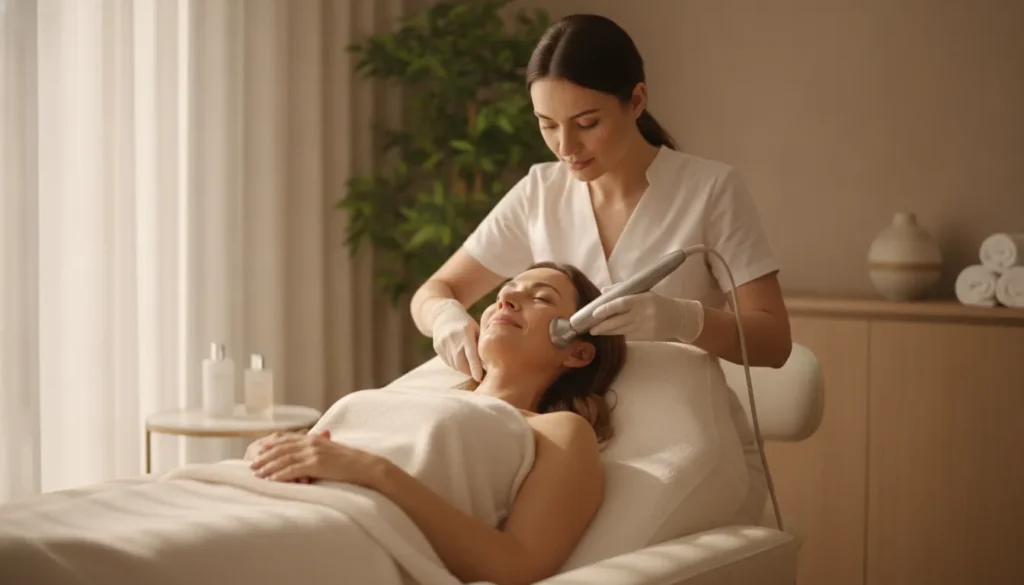
Skin changes rarely arrive all at once. Texture may feel less even, fine lines may become more noticeable, or facial volume may shift gradually, leaving you unsure where to begin. For first-time patients in Richmond, TX, the most useful starting point is a clear understanding of what each option can and cannot do.
Non invasive skin rejuvenation treatments are procedures that do not require an incision or tissue removal, such as professional microneedling, dermal fillers, and select wellness-based options. They take different approaches to supporting smoother texture, refreshed contours, or overall skin health, so the right choice depends on your goals, skin, and medical history.
Book an appointment with Wilmarwell
At Wilmarwell, medical aesthetics and wellness are considered together, with an emphasis on natural-looking results and realistic expectations. Understanding the category first makes it easier to see how these treatments work and which approach may fit your priorities.
What Are Non Invasive Skin Rejuvenation Treatments?
Non-invasive skin rejuvenation treatments are professional options designed to improve the appearance and feel of the skin without surgery. In practical terms, that means the treatment does not require an incision or removal of tissue, which is the definition used by Mount Sinai. Depending on the treatment, a provider may work at the skin’s surface, stimulate activity within the dermis, or support facial structure with an injectable. The goal is improvement, not a complete change in your features.
In short: Non-invasive treatments aim to address concerns such as fine lines, uneven texture, loss of elasticity, or early volume changes while avoiding a surgical incision. They can be a thoughtful option for someone seeking gradual, natural-looking improvements, but they are not a substitute for every surgical procedure or a guarantee of permanent results.
What does non-invasive actually mean?
The word describes how the treatment is performed, not how powerful it is. A non-invasive procedure does not cut into the body or remove tissue. Some options may still involve needles, controlled energy, or temporary skin irritation, so non-invasive does not mean completely sensation-free or risk-free. Your provider should explain what you may feel during treatment, what recovery may involve, and which precautions apply to your skin and medical history.
Many treatments in this category are selected because they can fit into a plan with limited downtime. The amount of recovery varies by treatment and by the intensity used. For example, a procedure that supports skin texture may create temporary redness, while an injectable has different considerations. A consultation is the right place to discuss realistic timing rather than assuming every non-invasive option has the same recovery.
Can non-invasive treatments really help aging skin?
They can help address selected signs of aging, especially when the treatment matches the concern. Collagen is a structural protein that helps give skin support. As collagen production and skin structure change, visible concerns can include wrinkles, laxity, and reduced firmness. Research on skin rejuvenation identifies stimulation of new collagen production as an important mechanism for improving skin structure and tightening. This review in the National Library of Medicine explains the role of collagen in skin aging and rejuvenation.
Early changes, such as fine lines or a gradual loss of elasticity, may respond well to a measured treatment plan. Some clinical guidance describes early non-invasive intervention as a way to delay more advanced signs of aging, but that should be understood as a possibility, not a promise. Results depend on the concern being treated, your skin, the selected technique, and how consistently you follow aftercare and daily sun protection.
The most useful starting point is a personalized evaluation. A qualified provider can determine whether your priority is texture, tone, firmness, or volume, then explain which approach is appropriate and what it cannot do. Non-invasive care is one honest path to skin improvement, particularly for people who prefer subtle changes over a dramatic transformation.
Which Non-Invasive Treatments Does Wilmarwell Offer?
Wilmarwell brings aesthetics and wellness together rather than treating them as separate parts of your care. Its range of non-invasive treatment services gives Richmond, Katy, Sugar Land, and greater Houston patients several ways to support a fresher, more balanced appearance. The right starting point depends on what you want to improve, whether that is skin texture. Facial volume, overall wellness support, or a plan that combines more than one approach.
At a glance: Wilmarwell offers four categories of non-invasive treatment, each suited to a different goal:
- MDPEN Ultra microneedling for skin texture and collagen support.
- Versa dermal fillers to address selected areas of volume and contour.
- Nutrient infusions to support wellness from within.
- Peptide therapy to complement the body’s skin-support processes.
These are different tools for different goals, not a ranking of better and worse treatments.
Microneedling for texture and collagen support
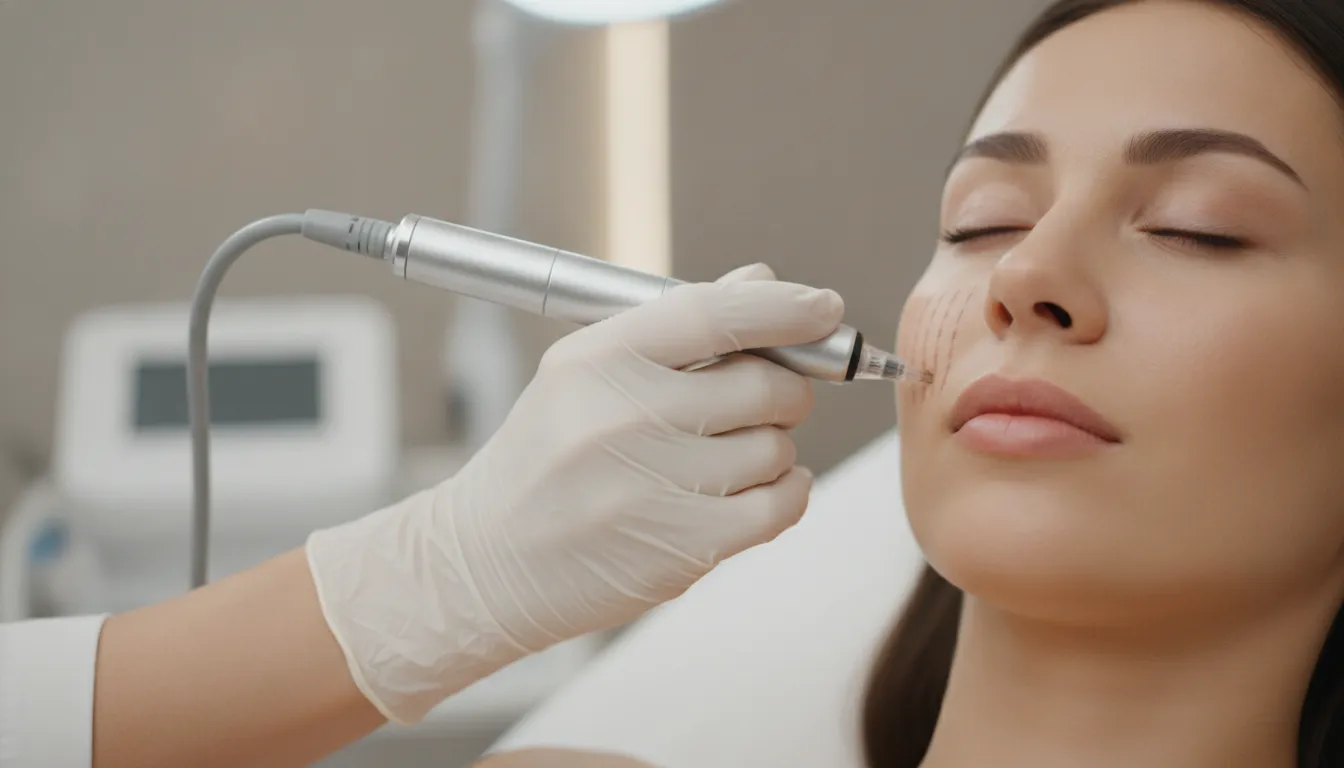
Wilmarwell offers microneedling using the MDPEN Ultra. Microneedling creates controlled micro-injuries that prompt a healing response, and research describes collagen stimulation as one mechanism behind skin rejuvenation treatments. Collagen helps provide structure to the skin, so this approach may be considered when the priority is improving the look of texture, tone, or fine lines over time. The treatment is not intended to replace a personalized evaluation, and results can vary by skin condition, treatment plan, and maintenance habits.
Dermal fillers for selective volume and contour
Dermal filler treatments take a different approach. Wilmarwell uses Versa HA filler with an emphasis on natural, subtle results. Dermal fillers are gel-like products placed beneath the skin to restore selected volume, smooth lines, or enhance facial contours, according to the FDA. Because fillers are injectable, a consultation should include your goals, medical history, the area being treated, and the product’s expected behavior. The duration of results varies by filler and treatment area, so longevity should be discussed honestly rather than assumed.
Infusions and peptides for an inside-out wellness plan
Wilmarwell also offers nutrient infusion options, including IV wellness services designed around individual needs. IV therapy delivers nutrients directly into the bloodstream, making it a wellness-focused complement to treatments that work on the skin’s surface. It is not a substitute for evaluation or treatment of a medical condition.
Peptide therapy adds another wellness-oriented option. Peptides are chains of amino acids involved in processes that support skin structure and repair. In practice, peptide therapy may fit patients who want to take a broader approach to skin and wellness rather than focus only on a visible concern. Under RN supervision, Wilmarwell can help you compare these approaches and decide whether one service or a coordinated plan better matches your goals, comfort level, and timeline.
How Does Microneedling Improve Skin Texture and Tone?
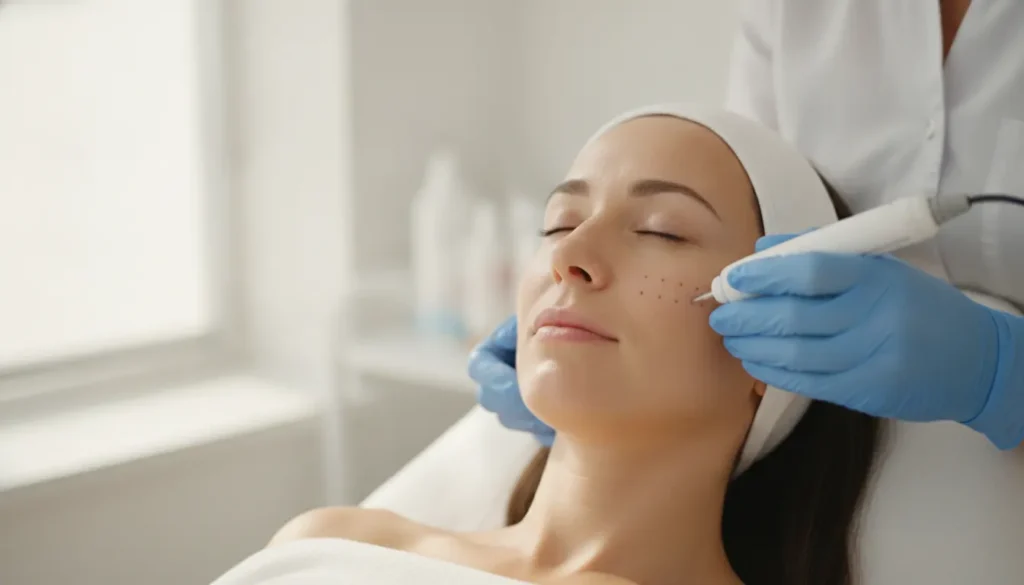
Microneedling is a controlled skin-rejuvenation treatment that encourages the skin to repair and renew itself. A professional device creates tiny, precise channels in the skin. These controlled micro-injuries activate a healing response and support the remodeling process that can gradually make the surface look smoother and more even. The goal is not to change your features or create an artificial result. It is to help improve the look of concerns such as uneven texture, mild scarring, fine lines, and dull-looking tone over time.
In short: Microneedling uses controlled micro-injuries to stimulate collagen and skin remodeling, which can improve texture and tone gradually. It is generally well tolerated across most skin types, but meaningful results usually build through a series of appropriately spaced sessions rather than appearing after one visit.
How the collagen response supports smoother skin
Collagen provides much of the skin’s structural support. With age and cumulative environmental exposure, changes in collagen can contribute to fine lines, laxity, and an uneven surface. Microneedling stimulates the body’s natural collagen production, giving the skin a longer-term repair signal instead of simply covering an area temporarily. This process is gradual. Early changes may be subtle, while the more noticeable improvement develops as the skin continues its remodeling response between appointments.
The treatment can also help create a more consistent-looking surface. When the skin repairs around the controlled channels, areas of roughness or shallow textural irregularity may become less prominent. Tone concerns can appear softer as the overall surface becomes more refreshed. Though the degree of improvement depends on the concern being treated, your skin’s response, and the plan recommended during consultation. Microneedling is skin rejuvenation, not a promise of flawless skin or a cure for every pigment concern.
Why professional microneedling is different from at-home devices
At-home rollers and other consumer devices are not equivalent to professional treatment. Professional microneedling can use greater depth and controlled technique to reach the intended treatment area more effectively, supporting deeper remodeling than many at-home devices. This difference also makes provider assessment important. Depth, pressure, treatment zones, and aftercare should be selected for your skin and goals rather than copied from a general online routine.
At Wilmarwell, professional treatment uses the MDPEN Ultra microneedling device. A consultation can help determine whether it fits your concerns and how it may be incorporated into a broader plan. If you want a foundational explanation first, see our guide to what microneedling is. Microneedling can be used on most skin types, but an individualized review remains essential. Especially if you have active irritation, a history of unusual healing, or another condition that may affect treatment timing.
How Do Dermal Fillers Restore Volume Without Surgery?
Facial volume naturally changes over time, which can make lines, folds, or certain contours appear more pronounced. Dermal fillers offer a non-surgical way to address selected areas without an incision or removal of tissue. Rather than changing every feature, a careful treatment can restore support where it has diminished and preserve the expressions that make your face look like you.
According to the FDA, dermal fillers are gel-like substances injected beneath the skin to restore lost volume, smooth lines and soften creases, or enhance facial contours. The result depends on the product, the injection site, the amount used, and your individual anatomy. This is why filler should be approached as a medical treatment plan, not as a one-size-fits-all cosmetic purchase.
How filler creates a subtle change
At Wilmarwell, we use Versa HA filler and focus on natural, subtle refinement. Hyaluronic acid filler can add structure or fullness in areas selected during your consultation. It may soften the appearance of a crease, support facial balance, or enhance a contour without making the face look overfilled. The goal is not to erase every sign of aging. It is to help you look rested and refreshed while keeping your features recognizable.
Because dermal fillers work by adding volume, they differ from treatments that focus primarily on skin texture or collagen remodeling. A personalized plan may use one approach or combine services over time, depending on whether your priority is volume, fine lines, tone, or overall skin quality. You can learn more about Wilmarwell’s dermal filler treatments before deciding which questions to bring to a consultation.
Safety, provider selection, and maintenance
Safety begins with choosing an appropriately qualified provider and an FDA-approved product suitable for your intended use. The FDA recommends discussing filler choices and potential risks with a qualified healthcare professional. A thorough review of your medical history is also important because it helps identify factors that may affect whether treatment is appropriate and can reduce avoidable risks. Share relevant medications, allergies, prior procedures, and health conditions openly during your evaluation.
Fillers are temporary, not permanent. The FDA notes that results can last for several months, with duration varying by the specific filler material and the area treated. Movement, metabolism, placement, and other individual factors can influence how long the effect remains noticeable. Maintenance may eventually be needed if you want to preserve the result. But timing should be based on your response and a professional reassessment rather than a fixed promise.
In short: Dermal fillers restore selected facial volume without surgery, but the best outcome comes from conservative product selection. Qualified medical guidance, and realistic expectations about temporary results and future maintenance.
How Do IV Nutrient Infusions and Peptides Support Skin From Within?
Skin rejuvenation is not only about what is applied to the surface. Skin cells also depend on the body’s broader nutritional and repair environment. That is why an inside-out approach can complement a thoughtful skincare routine or an in-office treatment plan. At Wilmarwell, an aesthetic nutrient infusion and peptide therapy may be considered as supportive options for people who want to care for skin health from more than one angle.
What nutrient infusions can and cannot do
Intravenous therapy delivers vitamins and minerals directly into the bloodstream. Which is one reason it is used as an efficient way to provide nutrients for health and rejuvenation, according to Mayo Clinic. This does not mean an infusion instantly erases lines, lifts lax skin, or replaces a procedure. It is better understood as a complementary wellness service that may support the body’s nutritional needs while you follow a broader plan.
The right choice depends on your health history, current nutrition, medications, and goals. A nutrient infusion should not be treated as a shortcut around balanced eating, hydration, sun protection, or medical care. It also should not be presented as a cure for a skin condition. During a consultation, the team can discuss whether an infusion fits your needs and how it may sit alongside topical products or professional treatments.

Why peptides are part of an inside-out conversation
Peptides are chains of amino acids that help provide building blocks for skin proteins such as collagen and elastin. These proteins contribute to the skin’s structure and resilience. In practical terms, peptide-focused care is about supporting repair and maintenance over time, not forcing an overnight transformation. The response can vary with age, skin condition, lifestyle, and the specific therapy selected.
Mayo Clinic notes that peptide-based products may support skin healing and enhance results after professional rejuvenation. That makes peptides especially relevant as part of an integrated plan. For example, a clinician may discuss how peptide therapy or a peptide product could complement a procedure, while still setting realistic expectations about recovery and results. The goal is not to stack treatments simply because more sounds better. The goal is to choose combinations that make sense for your skin and schedule.
How these options fit with topical and procedural care
Topical skincare works at the skin’s surface, while procedures can address concerns such as texture, tone, or facial volume more directly. IV nutrients and peptides occupy a supportive role around that care. They may help create a more comprehensive routine, but they do not guarantee a particular cosmetic outcome. Consistent sunscreen use, gentle cleansing, adequate hydration, and follow-up appointments remain important parts of protecting your investment.
For adults seeking non invasive skin rejuvenation treatments in Richmond, Katy, Sugar Land. Or the surrounding Fort Bend area, the most appropriate plan may involve one option or a carefully sequenced combination. An evaluation with Wilmarwell can connect aesthetic goals with wellness considerations, without promising instant results or treating supportive therapies as substitutes for necessary medical treatment.
In short: IV nutrient infusions provide vitamins and minerals through the bloodstream, while peptides support the building blocks and repair processes associated with healthy-looking skin. Both can complement topical and professional care, but neither is a cure or a guarantee of immediate transformation.
How Do These Treatments Compare? Choosing an Approach
Each option addresses a different part of the skin-health conversation. Microneedling focuses on surface texture and the remodeling process. Versa dermal filler focuses on localized volume and contour. IV nutrient infusions and peptide therapy take a broader wellness-oriented approach that supports the body’s resources and daily skin-care goals. None is automatically the right choice for everyone, and they are not interchangeable.
A consultation helps connect your concern with the treatment mechanism. Someone noticing uneven texture may need a collagen-focused approach, while someone concerned about a hollow area may be discussing volume restoration. Another person may want to support overall wellness alongside an aesthetic plan. The goal is not to collect treatments, but to build a thoughtful sequence around your priorities, health history, and tolerance for downtime.
| Approach | What it targets | How it works | Typical goal | Best suited for |
|---|---|---|---|---|
| Microneedling / MDPEN | Texture, tone, and the appearance of some scars | Creates controlled micro-injuries that prompt a healing and remodeling response | Smoother, more even-looking skin | People prioritizing skin quality and texture improvement |
| Dermal fillers / Versa | Localized volume loss, lines, and facial contours | Places a gel-like filler beneath the skin to restore volume or soften creases | Subtle contour support or a refreshed appearance | People with a specific area of volume loss to evaluate |
| IV nutrient infusion | Wellness and nutrient support | Delivers selected vitamins and minerals directly into the bloodstream | Inside-out wellness support as part of an appropriate plan | People exploring aesthetic and wellness care together |
| Peptide therapy | Skin-support and repair-related goals | Uses peptide-based support, with peptides acting as building blocks for skin proteins | Complementary support for skin health and recovery | People seeking a broader, personalized wellness strategy |
These categories can also overlap in a tailored plan. Some people experience cumulative benefits from a series of sessions rather than one isolated visit, although timing and suitability depend on the treatment and the individual. Radiofrequency is another example of a distinct energy-based approach: it heats the dermis to encourage tightening without damaging the skin surface. So it should be evaluated based on the concern being treated rather than treated as a universal upgrade.
In short: choose based on the result you want to support. Texture, volume, wellness, and skin-support goals call for different conversations. Review Wilmarwell’s range of non-invasive treatment services with a qualified provider, who can recommend a plan based on your goals and medical history. Outcomes vary, and a personalized plan is more useful than assuming one approach is best for everyone.
What Results Can You Expect and How Long Do They Last?
Non-invasive skin rejuvenation treatments are designed to improve the way your skin looks and feels without promising to stop the aging process. You may notice smoother texture, more even tone, softened lines, or improved facial balance, depending on the treatment selected. The goal at Wilmarwell is usually a natural, refreshed appearance rather than a dramatic change that does not look like you.
Timing varies. Some treatments create an immediate change, while others depend on gradual skin remodeling. Microneedling and other collagen-focused approaches may look subtle at first, with improvements developing as the skin responds. Many patients also need a series of sessions rather than one appointment. Multiple treatments can provide cumulative benefits when they are spaced and adjusted according to your skin’s response.
Why maintenance matters
Results are not permanent because your skin continues to change with time, sun exposure, hormones, stress, and daily habits. Maintenance may involve periodic appointments, a consistent home-care routine, or both. Dermal filler longevity is especially variable. According to the FDA’s guidance on dermal fillers, duration depends on the specific filler material and the area treated, so a single timeline should not be applied to every product or patient.
Sun protection is one of the most practical ways to protect your investment. Daily broad-spectrum sunscreen, protective clothing, and sensible sun habits can help preserve treatment results and support overall skin health. This matters whether your plan focuses on texture, tone, volume, or a combination of concerns. It also helps keep expectations grounded: a treatment can support healthier-looking skin, but it cannot cancel ongoing ultraviolet exposure.
A plan built around your skin
Recovery is often shorter with non-surgical approaches than with surgical alternatives, and many have minimal downtime. That does not mean every treatment is appropriate for every person, or that there is no aftercare. Your provider should discuss expected redness, swelling, sensitivity, activity limits, and the point at which results should be evaluated.
At your Wilmarwell consultation, the team can review your goals, skin condition, medical history, and schedule before recommending a personalized plan. Explore the range of non-invasive treatment services and ask which approach, session schedule, and maintenance routine best fit your priorities.
In short: Expect gradual, individualized improvement, not a permanent or guaranteed transformation. A series of treatments, appropriate maintenance, and consistent sun protection can help you preserve natural-looking results over time.
Book an appointment with Wilmarwell
Frequently Asked Questions
What are the most popular non-invasive skin rejuvenation treatments?
Common options include professional microneedling, dermal fillers, radiofrequency or light-based treatments, chemical peels, and supportive wellness services such as nutrient infusions. At Wilmarwell, the right choice depends on whether your priority is texture, tone, volume, firmness, or overall skin support. A personalized evaluation is more useful than choosing a treatment based only on popularity.
Is microneedling considered a non-invasive skin rejuvenation treatment?
Yes. Microneedling uses fine needles to create controlled micro-injuries that prompt the skin’s healing and renewal response. Because it does not involve an incision or removal of tissue, it is generally categorized as non-invasive. Professional treatment can reach deeper than typical at-home devices and should be tailored to your skin and goals.
Which treatment is best for improving skin tone and texture?
There is no single best option for everyone. Microneedling may suit concerns involving uneven texture or visible scarring, while resurfacing or exfoliating approaches may be considered for tone and surface renewal. The plan should account for your skin type, sensitivity, current products, and desired level of downtime. Wilmarwell can help you compare approaches during a consultation.
How long do skin rejuvenation results last?
Longevity varies by treatment, your skin, and how you maintain your results. Dermal filler duration, for example, depends on the specific product and the area treated, according to the FDA. Some options provide gradual, cumulative improvement through a series of sessions, while consistent sun protection supports longer-lasting skin health.
Ready to Choose Your Next Step?
A thoughtful consultation can help you connect your skin goals with an approach that feels natural and manageable. Wilmarwell serves first-time prospects in Richmond, TX with education focused on your needs, not a one-size-fits-all recommendation. To book an appointment for a non-invasive skin rejuvenation consultation, call Wilmarwell at (832) 495-7404.