
Skin rejuvenation is not one universal treatment. In Richmond, TX, the right plan depends on whether your main concern is uneven tone, rough texture, fine lines, acne scarring, loss of facial volume, or a combination of goals. Wilmarwell Aesthetics & Wellness takes a consultation-led approach to help match those concerns with an appropriate aesthetic or wellness pathway while keeping the result natural and individualized.
Call Wilmarwell at (832) 495-7404 to discuss your skin rejuvenation goals.
A useful consultation does more than identify a popular procedure. It considers your skin, anatomy, medical history, current medications, prior treatments, desired pace of change, and tolerance for recovery. The goal is a plan that addresses what you actually want to improve, rather than adding treatments simply because they are available.
What does skin rejuvenation mean?
Skin rejuvenation is a broad term for treatments and care plans intended to improve the appearance and feel of skin. Depending on the concern, a plan may focus on tone, texture, fine lines, pores, acne scarring, hydration, or selected facial volume changes. It does not mean making every face look the same, and it does not guarantee permanent or dramatic results.
At Wilmarwell, skin-focused options may include MDPEN Ultra microneedling with a serum, gel, or PRP option. Injectables such as neurotoxins, Versa dermal filler, or collagen-supporting biostimulators may also be discussed when the concern involves expression lines, volume, or facial structure. Some patients may also benefit from a broader wellness conversation, but an infusion or supplement is not a substitute for evaluating a skin condition.
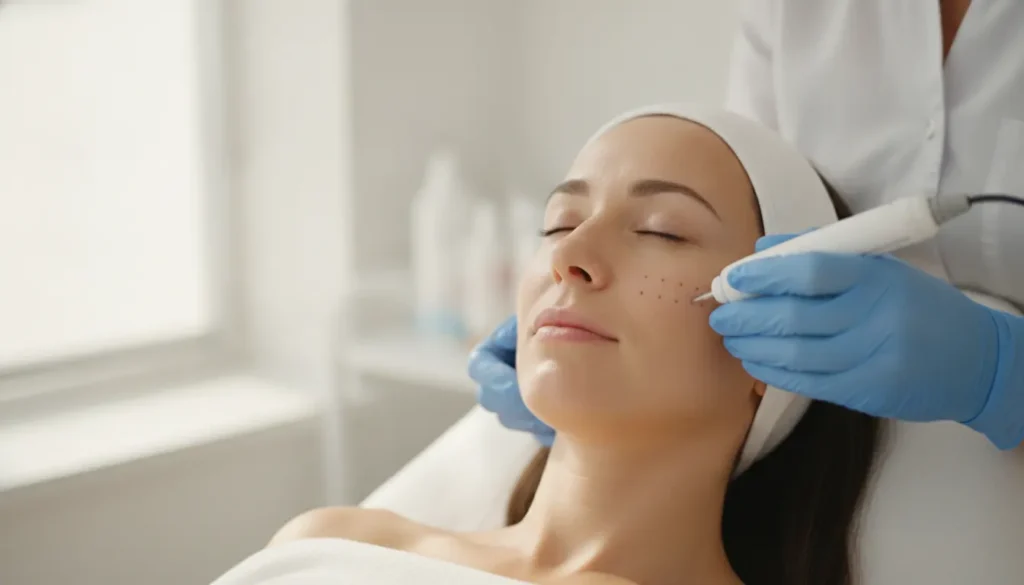
Microneedling is a minimally invasive procedure that uses fine needles to create controlled micro-injuries. The American Academy of Dermatology notes that microneedling may be used for concerns such as acne scars and uneven skin tone, but suitability and results depend on the individual. Read the American Academy of Dermatology overview of microneedling for general patient education.
Which skin concern are you trying to improve?
The clearest starting point is the concern you can describe, not the product name you have seen online. A provider can then determine whether a treatment is appropriate, whether more than one concern needs to be sequenced, and whether a different approach would be safer or more useful.
Uneven tone and discoloration
Uneven tone can have different causes, including sun exposure, post-inflammatory changes, melasma, or other skin conditions. A skin-renewal discussion may include MDPEN Ultra microneedling or a chemical peel, but the appropriate choice depends on your skin history and the type of discoloration. Treatment should not be selected from a social media photo alone. If pigmentation is new, changing, painful, or otherwise concerning, seek a medical evaluation rather than treating it as a cosmetic issue.
Rough texture, pores, or acne scarring
Texture concerns are often a better fit for a skin-focused treatment than an injectable. MDPEN Ultra microneedling is listed by Wilmarwell for concerns including fine lines, scars, uneven skin tone, and texture. It can be customized with a treatment depth and an enhancement option after evaluation. The treatment is not a promise to erase scars or pores, and improvement may require a planned series rather than one appointment.
Fine lines caused by facial movement
Some fine lines are strongly related to repeated muscle movement. Wilmarwell’s neurotoxin service includes Botox, Xeomin, and Jeuveau, with treatment areas such as forehead lines, frown lines, and crow’s feet. Neurotoxins work differently from microneedling because the discussion centers on temporarily relaxing selected muscles, not resurfacing the skin. A conservative plan should account for facial expression and the look you want to maintain.
Loss of volume or facial balance
When the main concern is a hollow, flattened, or less-supported area, a provider may discuss a volumizing or collagen-supporting option. Wilmarwell lists Versa as its hyaluronic acid filler for areas such as the lips, cheeks, under-eyes, and facial folds. The dermal filler service page explains that the recommendation depends on goals, anatomy, medical history, and provider assessment. Filler is not appropriate for every concern, especially when the issue is primarily pigmentation or surface texture.
How do you choose between skin treatments and injectables?
Choose by matching the treatment mechanism to the concern: skin-renewal options are generally considered for tone and texture, while injectables are evaluated for movement-related lines, facial volume, or contour. The categories can sometimes be part of a broader plan, but they should not be treated as interchangeable. A consultation helps prioritize one goal at a time and avoid over-treating areas that do not need it.
| Concern. | Pathway. | Questions to clarify. |
|---|---|---|
| Uneven tone or discoloration. | Microneedling or peel evaluation. | Cause, sensitivity, preparation, and pigment-related risks. |
| Rough texture, pores, or acne scars. | MDPEN Ultra microneedling. | Depth, sessions, enhancements, recovery, and realistic improvement. |
| Expression-related fine lines. | Neurotoxin consultation. | Movement pattern, area, product options, and temporary results. |
| Selected volume loss or facial folds. | Versa filler or another evaluated option. | Whether volume is the concern, product choice, balance, and swelling. |
| Gradual collagen-support goals. | Biostimulator discussion. | Expected pace, candidacy, area, and whether a gradual plan fits. |
Wilmarwell also offers Sculptra and Radiesse services. These products and treatment plans are not the same as a surface-focused skin treatment. The relevant option depends on the area, the desired type of change, and the provider’s evaluation.
What can you expect from a skin rejuvenation consultation?
A consultation is the decision-making step, not a sales formality. The provider should understand what you see in the mirror, what you want to preserve, and what kind of change feels appropriate. Bring a list of medications and supplements, disclose allergies and prior procedures, and mention any history of unusual scarring, pigmentation changes, cold sores, or sensitivity that may affect planning.
- Describe the result you want. Use specific language such as smoother texture, brighter-looking tone, softer expression lines, or more balanced volume.
- Review your health history. Medication, allergies, pregnancy status when relevant, active skin conditions, and prior treatments can affect candidacy.
- Discuss the treatment area. Skin on the cheeks, under-eyes, lips, forehead, and neck may require different considerations.
- Set a realistic schedule. Ask whether change is expected to be gradual, whether more than one session may be needed, and how appointments fit around work or events.
- Plan aftercare and follow-up. Clarify normal short-term responses, warning signs, activity restrictions, sun protection, and who to contact with concerns.
For first-time patients, Wilmarwell’s Good Faith Exam process may include a medical history, medication and contraindication review, treatment goals, informed consent, and pre-approval before treatment. That process supports safer decision-making, but it does not mean every requested treatment will be recommended.

How should you compare PRP, PRF, microneedling, and injectables?
PRP and PRF use a patient’s own blood components and are different from a filler or neurotoxin. Wilmarwell lists PRP and PRF options alongside its aesthetic services, including as possible enhancements or under-eye discussions. Evidence for platelet-based aesthetic treatments varies by technique, treatment area, and study design. A 2024 randomized clinical trial was published in Plastic and Reconstructive Surgery Global Open. It found no meaningful advantage for PRP injections over saline for the facial-aging outcomes tested. That result reinforces the need for individualized review and realistic expectations.
Microneedling may be discussed for texture, scars, pores, and selected tone concerns. PRP or PRF may be considered as an enhancement, but it should not be described as a cure or as a guaranteed accelerator of healing. Injectables have a different purpose: neurotoxins address selected muscle activity, while Versa filler may add volume and biostimulators are intended for a more gradual collagen-supporting approach. Ask what problem each option is intended to address before comparing them.
For general safety information about soft-tissue fillers, review the FDA’s dermal filler guidance. Online educational material cannot determine whether a treatment is right for you.
What should a personalized skin rejuvenation plan include?
A useful plan connects the treatment to a defined concern, a reasonable timeline, and a clear follow-up process. It should also explain what the treatment is not intended to do. For example, a procedure selected for texture may not correct facial movement, and a filler selected for volume does not replace an evaluation of changing pigmentation. Naming those boundaries helps prevent disappointment and supports a more measured decision.
Prioritize rather than treat everything at once
Many people notice several changes at the same time. A plan can still begin with one priority, such as rough texture or expression lines, so the response can be evaluated before another procedure is considered. Staging may also make recovery easier to understand. The order depends on the treatment, the area, your health history, and the provider’s assessment.
Match the pace of change to your goal
Some options are discussed for a more immediate change in appearance, while others are intended to support gradual collagen-related improvement. Neither approach is automatically better. Tell the provider whether you have an upcoming event, prefer a conservative change, or are comfortable with a longer treatment sequence. That information can affect which pathway is reasonable to discuss.
Define follow-up before the appointment
Before booking, ask how the practice evaluates progress, when a follow-up may be appropriate, and which symptoms are expected versus concerning. Ask who to contact after treatment and what information to have available. A good plan includes access to instructions and a way to raise questions, not just a procedure name.
What questions should you ask before booking?
Good questions help you compare a treatment plan on more than its name or popularity. They also make it easier to recognize when a recommendation is appropriately conservative.
- What concern is this treatment designed to address?
- What would you recommend if I chose not to treat this area?
- Is my main issue tone, texture, movement, volume, or a combination?
- What results are realistic for my skin and anatomy?
- How much recovery should I plan for, and what should I avoid afterward?
- Will I need a series, maintenance visits, or a staged plan?
- What medical history, medication, or skin condition could change the recommendation?
- Which warning signs should prompt a call or urgent medical attention?
These questions are especially useful when you are considering multiple categories at once. A personalized plan may begin with one focused treatment, a skincare or wellness recommendation, or a decision to wait. The most responsible answer is not always the most intensive option.
Call Wilmarwell at (832) 495-7404 to discuss a personalized skin rejuvenation plan.
Frequently asked questions about skin rejuvenation
What is the best skin rejuvenation treatment?
There is no single best treatment for everyone. The appropriate option depends on whether your main concern is tone, texture, scars, fine lines, movement, or volume, along with your medical history and recovery preferences. A consultation is needed to determine whether microneedling, an injectable, a peel, a biostimulator, or no treatment is appropriate.
Can skin rejuvenation treat uneven tone and texture at the same time?
It may be possible to address more than one concern within a staged plan, but tone and texture can have different causes and risks. A provider should identify the likely concern first and explain whether one treatment can reasonably address both. More treatment is not automatically better.
Is microneedling the same as a facial injectable?
No. Microneedling is a skin-focused procedure that creates controlled micro-injuries, while neurotoxins and dermal fillers are injectable treatments with different purposes. Microneedling is generally discussed for concerns such as texture or scars, whereas neurotoxins and fillers are evaluated for selected movement, volume, or contour concerns.
How many skin rejuvenation sessions will I need?
The number of sessions varies by treatment, concern, skin condition, and individual response. Some plans may be focused on one appointment, while texture or collagen-related goals may require a series or follow-up. Ask for a treatment timeline based on your skin rather than relying on a generic schedule.
Are PRP and PRF guaranteed to improve skin?
No. PRP and PRF are not guaranteed to improve everyone’s skin, and evidence can vary by use and technique. Wilmarwell can discuss whether a platelet-based option is relevant to your goal, but results vary and the treatment should not be presented as a cure or a guaranteed outcome.
Where can I discuss skin rejuvenation in Richmond, TX?
Wilmarwell Aesthetics & Wellness offers consultation-led aesthetic services in Richmond, TX, including MDPEN Ultra microneedling, PRP/PRF options, neurotoxins, Versa dermal fillers, and biostimulator services. Contact the practice to discuss your concern, medical history, and next steps.
Call Wilmarwell at (832) 495-7404 to schedule a personalized skin rejuvenation consultation.