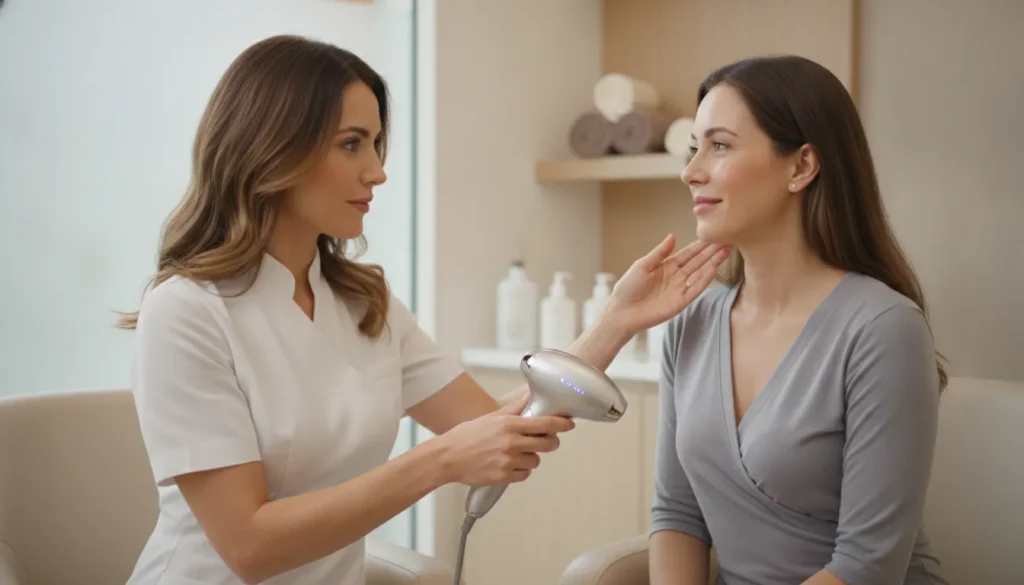
If you are wondering, does microneedling hurt, the honest answer is that most people notice sensation and mild discomfort rather than sharp pain. With provider-directed preparation, microneedling often feels like light vibration, prickling, or a warm scratching sensation. Your experience can vary based on your sensitivity, the area being treated, the treatment settings, and how your skin responds.
Call Wilmarwell at (832) 495-7404 to discuss whether microneedling is right for you.
The short answer: comfort varies, but sharp pain is not the goal
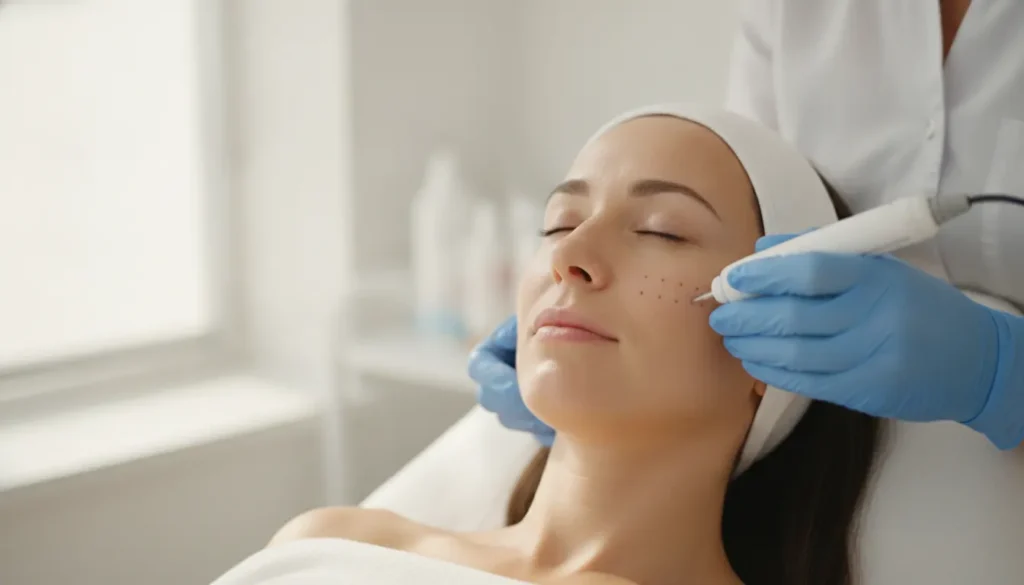
Microneedling uses a pen-style device with very small needles to create controlled micro-injuries in the skin. Because the treatment involves repeated contact with the skin, it is normal to notice something happening. A calm, well-paced treatment should not be approached as a test of how much discomfort you can tolerate.
People commonly describe the sensation as a vibrating toothbrush, fine prickling, light scratching, or warmth. The forehead, around the nose, and bony areas may feel different from the cheeks or other areas with more soft tissue. A conversation with your provider before treatment helps set expectations for your skin, goals, and treatment area.
Professional microneedling is different from using an unregulated device at home. A qualified provider can review whether the treatment is appropriate, use clean technique, select suitable settings, and give you instructions for protecting the skin afterward. The American Academy of Dermatology’s microneedling guidance also emphasizes professional evaluation and aftercare because technique and skin response affect both comfort and safety.
What does microneedling feel like during a session?
During a session, you may feel the device moving across the skin in sections. The sensation can change as the provider works on different areas, and it may feel more noticeable over the forehead, upper lip, or near the hairline. Some clients focus on the sound and vibration, while others notice a mild prickling or heat.
It is helpful to separate sensation from a warning sign. Feeling pressure, buzzing, or brief prickling can be expected. Feeling intense, escalating, or distinctly sharp pain is something to communicate right away. Your provider can pause, check the skin, and decide whether an adjustment is appropriate. You should never feel that you have to stay quiet to complete a treatment.
If you want a basic explanation of the treatment itself, Wilmarwell’s microneedling overview covers the broader procedure and how it is used. This article stays focused on comfort, preparation, and recovery rather than repeating a full benefits or mechanism guide.
What can make microneedling feel more or less uncomfortable?
Several factors can influence comfort. They do not allow anyone to predict exactly how a specific session will feel, but they can help explain why experiences differ:
- Personal sensitivity: People have different pain thresholds and may notice facial sensations differently.
- Treatment area: Thin or bony areas may feel more sensitive than areas with more soft tissue.
- Skin condition that day: Irritated, sunburned, inflamed, or recently exfoliated skin may not be ready for treatment.
- Device settings: Needle depth and treatment speed should be selected by the provider for the area and treatment plan.
- Preparation: Following the practice’s instructions helps avoid arriving with skin that is unnecessarily reactive.
- Stress and expectations: Anxiety can make normal sensations feel more intense, so asking questions before the session is worthwhile.
These factors are why a blanket promise that microneedling will be painless is not responsible. A better goal is a controlled, communicative experience with realistic expectations and a plan for responding to discomfort.
How should you prepare for a more comfortable treatment?
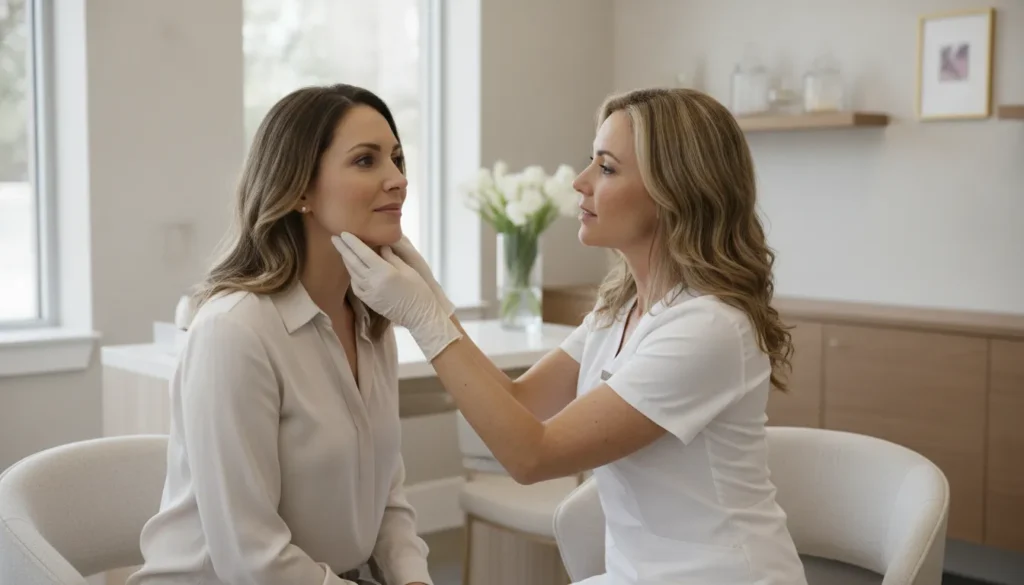
Your provider should give you instructions based on your skin, health history, and treatment plan. In general, preparation starts with an honest consultation. Tell the practice about active skin irritation, a current or recent sunburn, cold sores, skin infections, eczema or dermatitis flares, a history of raised scarring, allergies, and any medications or products that may affect your skin.
Ask before changing your routine. Some practices may recommend pausing certain exfoliating products, retinoids, or other potentially irritating ingredients for a specific period, while others may give different instructions based on your skin. Do not stop a prescribed medication or use a numbing product unless your provider tells you to do so.
On the day of treatment, arrive with clean skin if the practice requests it and avoid adding new products that have not been discussed. Plan enough time so you are not rushing. If you are feeling unwell or your skin has changed since your consultation, tell the provider before the treatment begins.
Clients with a history of sensitivity may find Wilmarwell’s guide to microneedling for sensitive skin in Richmond, TX useful as a starting point. It is not a substitute for an individual assessment, but it can help you identify questions to bring to a consultation.
What comfort measures may be used?
Depending on the treatment plan and the provider’s protocol, a topical numbing product may be discussed before professional microneedling. The practice should explain how it is applied, how long it remains on the skin, how it is removed, and whether it is appropriate for you. Do not apply a numbing cream from home without specific instructions.
Other comfort measures can include working in sections, checking in during the session, adjusting the pace when appropriate, and keeping the skin properly prepared. These decisions belong to the treating professional. More numbing or a deeper setting is not automatically better, and you should ask what is being used and why.
Wilmarwell offers MDPEN Ultra microneedling with treatment planning that may include targeted serums, gels, or PRP depending on the consultation and selected plan. Learn more about the MDPEN Ultra microneedling treatment in Richmond, TX, then bring any comfort questions to the practice before booking.
What is normal after microneedling?
After treatment, your skin may feel warm, tight, tender, or similar to a mild sunburn. Redness is common, and some people may notice mild swelling, dryness, flaking, or pinpoint bleeding depending on the treatment. These effects should be discussed with your provider in the context of your settings and skin.
Short-term recovery is not the same as ongoing pain. Many people find the strongest sensation is during the first part of the recovery period, then it settles as the skin calms. The exact timing varies. Avoid judging your final skin response immediately, and follow the written instructions you receive instead of adding products or treatments on your own.
Wilmarwell has a separate microneedling aftercare day-by-day guide for more detailed recovery information. The most useful aftercare step for comfort is simple: follow the practice’s specific instructions, protect the skin from sun exposure as directed, and avoid introducing irritating products until your provider says they are appropriate.
When should you contact your provider?
Contact the practice if you are unsure whether a symptom is expected, if discomfort is not settling as anticipated, or if your skin is worsening instead of calming. Ask promptly about increasing pain, spreading or worsening redness, significant swelling, drainage that concerns you, blistering, fever, or other symptoms that feel unusual for you.
Urgent symptoms should not wait for a routine message. If you believe you are having a severe reaction or a medical emergency, seek urgent medical care. A provider who knows your treatment details can give the most useful guidance, so keep the practice’s aftercare contact information available.
How can you decide if microneedling is right for you?
Start with the question you actually want answered. If your main concern is discomfort, ask what the treatment is expected to feel like for your area, what preparation is recommended, which comfort measures may be available, and what recovery signs are typical. You can also ask what would make the provider postpone treatment.
A consultation should include a review of your health history, skin condition, goals, and expectations. It should also leave room for you to say if you are nervous or have had a difficult experience with needles or skin treatments before. The right treatment plan is not the same for everyone, and choosing to postpone or use another approach can be reasonable when your skin or health history calls for it.
To ask a question before scheduling, use Wilmarwell’s contact page or call the practice directly.
Frequently Asked Questions
Does microneedling hurt more on some parts of the face?
It can feel more noticeable in thinner or bony areas, such as the forehead or around the nose, but every person’s experience is different. Tell the provider which areas feel sensitive so the session can be paced and assessed appropriately.
Does numbing cream make microneedling painless?
Numbing may reduce sensation for some people, but it does not guarantee a completely sensation-free treatment. Use only the product and instructions provided by your practice, and ask about allergies or other reasons it may not be suitable.
How long does microneedling discomfort last?
Warmth, tightness, redness, or tenderness may continue for a short period after treatment, but the timeline varies with the person and treatment plan. Follow your provider’s aftercare instructions and contact the practice if discomfort is severe, worsening, or not following the expected pattern.
Can I wear makeup after microneedling?
Follow the timing given by your provider. The skin may be more sensitive immediately after treatment, so applying makeup or other products too soon may not be appropriate for your plan.
Call Wilmarwell at (832) 495-7404 to ask about microneedling comfort, preparation, and recovery.