Facial skin tightening is usually a gradual process, not an overnight change. For people noticing mild laxity, uneven texture, or a less defined jawline in and around Richmond and Fort Bend County. A treatment plan should explain both the technology and the timeline before discussing cost or expectations. Choosing a med spa begins with understanding how the treatment works, what a realistic series looks like, and what kind of recovery you can plan around.
Call Wilmarwell at (832) 495-7404 to talk with our RN-led team about RF microneedling.
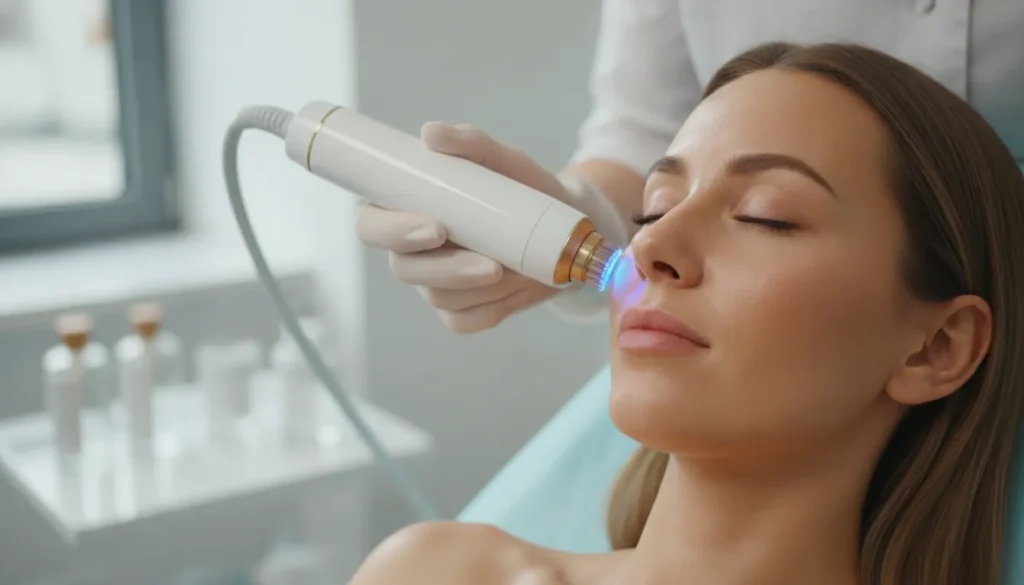
RF microneedling combines fine needles with radiofrequency energy delivered beneath the skin. At Wilmarwell, the MDPEN Ultra device is used to create controlled treatment in the dermis, where heat can contract existing collagen and encourage new collagen and elastin. Most people need a series of three to five sessions spaced about four to six weeks apart, with firming developing progressively over the following two to three months.
Pricing varies with the treatment area, provider, and number of sessions recommended, and results develop gradually rather than appearing right after the first visit. Understanding how the needles and radiofrequency work together is the best place to start, because that mechanism helps explain the expected results. The recovery period, and why a personalized consultation with a qualified provider matters before you commit to a schedule.
What Is RF Microneedling and How Does It Tighten Skin?
RF microneedling combines two forms of controlled skin stimulation in one treatment. Fine needles create precise micro-channels in the skin, as they do with collagen induction therapy. At the same time, radiofrequency energy travels beneath the surface and creates controlled heat in the dermis. This combination is designed to encourage the skin’s natural repair and remodeling processes without surgery.
The micro-channels give the skin a signal to begin healing and producing supportive proteins. The radiofrequency component adds targeted heat deeper in the tissue. That heat can contract some existing collagen fibers and stimulate the formation of new collagen and elastin over time. As this remodeling progresses, the skin may look firmer and more lifted. The response is gradual, and the degree of improvement varies with factors such as skin condition, age, treatment plan, and individual healing.
How the needles and RF energy work together
Traditional microneedling primarily relies on controlled micro-injuries to activate collagen induction. RF microneedling adds energy beneath the surface, allowing for deeper tissue heating than needles alone. The needles create the treatment channels, while the RF energy heats the dermis around those channels. This is why the treatment is often considered for mild skin laxity, fine lines, and a desire for more firmness rather than a substitute for surgical lifting.
Radiofrequency is a form of electromagnetic energy used in medical and aesthetic treatments to create controlled heat. In RF microneedling, the goal is not to damage the skin indiscriminately. Instead, treatment settings and needle depth should be selected carefully for the area being treated, the patient’s skin, and the desired outcome. A professional consultation is important before deciding whether this approach fits your goals.
What treatment at Wilmarwell involves
At Wilmarwell, treatments use the medical-grade MDPEN Ultra device. Sessions are approximately 60 minutes and are supervised by an RN. The device delivers the microneedling treatment with sterile, single-use cartridges, while the provider adjusts the approach to the treatment area and your assessment. Learn more about MDPEN Ultra microneedling or review the microneedling basics before your consultation.
One session may begin the process, but skin tightening generally develops over time as collagen matures. Some people notice early changes within a few weeks, while more noticeable firming often builds over two to three months. Setting realistic expectations helps you evaluate the treatment based on progressive improvement rather than an immediate, guaranteed transformation.
The Science Behind RF Skin Tightening
RF skin tightening works through a controlled healing response rather than an instant pulling or lifting effect. Radiofrequency energy creates heat in the dermis, the deeper layer of skin where much of its collagen framework is found. That heat can contract some existing collagen fibers while also signaling the body to produce new collagen and elastin. As the skin remodels, it may become firmer and smoother over time.
RF microneedling adds a second part to that process. Fine needles create precise microchannels, and the radiofrequency energy is delivered at a selected depth. This combination allows a provider to target the dermis more directly than microneedling alone. Healthline describes RF microneedling as a treatment that can trigger collagen and elastin production, helping skin become thicker and smoother as it heals: Healthline’s RF microneedling overview.
The depth is not a one-size-fits-all setting. A recent journal article in PMC explains that RF microneedling creates controlled thermal injury to enhance the dermal wound-healing cascade. In the treatment approach described in that article, example depths included 1.5 mm for the forehead, 1.0 mm for the malar area, and 1.5 mm for the neck. These figures are study-specific examples, not a recommendation for every person or facial area. Treatment parameters should be selected by a qualified provider based on skin thickness, anatomy, sensitivity, treatment goals, and safety. For a deeper look at the research, you can read the journal article on RF microneedling and dermal healing.
What the remodeling process may improve
Because collagen remodeling takes time, the goal is progressive improvement in texture and laxity, not a surgical-style result. Research on microneedling radiofrequency has described the approach as a minimally invasive option for facial rejuvenation, while broader dermatology literature has examined radiofrequency as a nonsurgical skin-tightening treatment. Individual results vary based on age, skin condition, treatment settings, and the body’s healing response.
- Fine lines and wrinkles.
- Mild sagging or skin laxity.
- Uneven skin texture and enlarged pores.
- Some acne-scar texture concerns.
Early changes may reflect the initial healing response, but firmer-looking skin develops gradually as new collagen matures. That is why a provider may recommend a series rather than promising a single-treatment transformation. A consultation can clarify whether RF microneedling fits your skin goals and whether another approach would be more appropriate.
RF Microneedling Cost: What Goes Into the Price
RF microneedling typically costs more than traditional microneedling because it adds radiofrequency technology to the treatment. Instead of relying on microneedling alone, the device delivers controlled RF energy beneath the skin, adding another layer of equipment, training, and treatment planning. That difference in technology is one reason a simple price comparison can be misleading. Learn more about MDPEN Ultra microneedling.
Why prices vary from one treatment plan to another
There is no single price that applies to every person or provider. The total depends partly on the treatment area. Treating a smaller area may require a different amount of time and product than treating the full face, neck, or another area with laxity. Providers may also price a session differently based on the device they use, their facility standards, and the complexity of the plan.
RF settings can be adjusted in depth and intensity to address different skin concerns and goals. That customization is useful, but it also means that treatment is not a one-size-fits-all service. A plan for mild facial laxity may differ from a plan involving more than one area or a different degree of skin remodeling. The provider’s assessment helps determine what is appropriate rather than using the same settings for everyone.
Provider skill is part of the value
The most important question is not simply whether one quote is lower. RF microneedling places needles and heat at controlled depths, so the provider’s training, judgment, and attention to safety matter. Professional treatment should use a cleared, medical-grade device and appropriate supervision. Wilmarwell’s guidance emphasizes that these procedures should be performed with specialized devices designed for safety and efficacy, rather than treated as an interchangeable at-home service. Review the device and treatment approach before comparing quotes.
A consultation is the clearest way to understand your expected cost. The provider can review your skin, concerns, medical history, treatment area, and desired level of improvement, then recommend a realistic plan. That discussion should also clarify whether you may need a series of treatments, how sessions will be spaced, and what follow-up care may involve. In other words, the consultation confirms a plan and price that match your goals, rather than assigning a generic number before the treatment has been assessed.
How Many RF Microneedling Sessions Do You Need?
RF microneedling is usually planned as a series rather than a one-time treatment. Most people need three to five sessions, with roughly four to six weeks between appointments, to pursue meaningful skin-tightening results. The right number depends on your skin laxity, treatment area, goals, and how your skin responds. A consultation helps establish a realistic plan instead of assuming that every patient needs the same schedule.
The spacing matters because the skin needs time to recover and because the desired change develops gradually. RF microneedling creates controlled micro-channels while radiofrequency energy heats the dermis. That process supports collagen remodeling, but new collagen does not mature immediately. Early changes may be subtle, while firming can become more noticeable over the following two to three months.
-
Begin with an initial consultation
Your provider reviews your medical history, skin concerns, treatment area, and expectations. This visit is also the time to discuss whether RF microneedling is appropriate for you and how much treatment may be reasonable. The plan can be tailored to your goals rather than based on a fixed promise or a generic package.
-
Complete the initial series at four- to six-week intervals
Most treatment plans include three to five appointments scheduled approximately four to six weeks apart. This interval gives your skin time to settle between sessions and allows the healing response to progress before the next treatment. Your provider may adjust the cadence or treatment settings based on recovery and the response seen at each visit.
-
Re-evaluate as collagen remodeling continues
After the series, assess the change with your provider rather than judging the outcome immediately after the final appointment. Skin tightening builds over time, and the most noticeable firming may develop two to three months after treatment as collagen matures. A re-evaluation can clarify whether the improvement aligns with your goals or whether another approach should be considered.
-
Consider maintenance once or twice a year
Once the initial series is complete, many providers recommend a maintenance session once or twice a year. Maintenance is not a guarantee that results will remain unchanged, but it can help support the improvements achieved through the initial series. Ongoing skincare, sun protection, and periodic follow-up also remain important parts of a sensible long-term plan.
A series can improve the opportunity for gradual, natural-looking change, but individual results vary. Your provider should explain what the treatment can and cannot address before you commit to a schedule.
RF Microneedling Results Timeline and Before and After
RF microneedling results are gradual, so a realistic before-and-after comparison depends on when you evaluate your skin. The treatment creates controlled micro-channels while radiofrequency energy heats the dermis. That process begins a healing and collagen-remodeling response, but the visible changes develop over time rather than appearing immediately.
What you may notice in the first few weeks
During the first several days, your skin may look red or mildly swollen and may feel similar to a sunburn. Those temporary effects are part of recovery, not the final result. As the skin settles, some people begin to notice an early improvement within a few weeks. The initial change may be subtle, such as skin feeling a little firmer or looking more refreshed.
Early improvement does not mean the treatment has finished working. The collagen response continues after the surface has returned to its usual appearance. Your provider may recommend waiting before judging the outcome of an individual session, particularly if your goal is more noticeable tightening.
Why firming develops over two to three months
The most noticeable firming generally builds over two to three months as new collagen matures. This is why photos taken immediately after treatment can be misleading. Temporary swelling may make the skin look different, while a photo taken too soon may miss changes that are still developing beneath the surface.
For a more useful comparison, take baseline photos before treatment and repeat them under similar lighting, distance, facial expression, and camera angle. Compare progress at consistent intervals rather than focusing on day-to-day fluctuations. Your response will depend on factors such as your starting level of laxity, skin characteristics, treatment plan, and how closely you follow aftercare instructions. No responsible provider can guarantee a particular before-and-after outcome.
For a related explanation of how changes can unfold over time, review this microneedling before and after timeline. The same expectations-based approach is useful when assessing RF microneedling: gradual progress is more meaningful than an immediate dramatic claim.
Supporting and maintaining your results
A full series of sessions produces the most dramatic and long-lasting skin-tightening results. Treatment plans commonly involve multiple sessions, with enough time between appointments for the skin to recover and the remodeling process to continue. Completing the recommended series can provide a more complete assessment than stopping after one treatment.
Proper skincare and maintenance also help support the improvement you achieve. Follow the personalized post-treatment instructions from your provider, protect your skin from excessive sun exposure, and use the products recommended for your skin. After the initial series, maintenance treatments may be suggested periodically. These steps do not freeze the aging process, but they can help preserve a healthy, firm-looking appearance as collagen naturally changes over time.
What to Expect: Recovery and Downtime
RF microneedling is minimally invasive, so recovery is usually brief compared with more extensive skin-tightening procedures. The treatment creates controlled microchannels while delivering radiofrequency energy beneath the surface. Your skin then begins its normal repair process, which can temporarily make it look and feel more sensitive. The exact experience depends on treatment depth, the area treated, and your individual skin response.
During the first day or two, mild redness, swelling, warmth, or a sunburn-like sensation is common. Some people notice that the skin feels tight or mildly tender. These effects are expected parts of the early healing phase, not a sign that the treatment is producing instant final results. According to Wilmarwell’s treatment guidance, most people return to normal-looking skin within a few days, although timing can vary. Learn more about MDPEN Ultra microneedling and how the treatment is performed.
Simple aftercare supports a smoother recovery
For the first several hours, treat your skin gently. Follow the specific instructions provided by your clinician, especially if a topical product or post-treatment serum is recommended. In general, helpful aftercare includes:
- Cleanse with a gentle, non-abrasive cleanser and lukewarm water.
- Apply only the products your provider recommends. Avoid scrubs, exfoliating acids, retinoids, and other potentially irritating active ingredients until your skin has recovered.
- Protect the treated area from direct sun and use a broad-spectrum sunscreen as directed. Sun protection is especially important while the skin is more sensitive.
- Skip heavy makeup immediately after treatment. Your clinician can tell you when it is appropriate to resume cosmetics based on how your skin looks and feels.
- Avoid strenuous exercise, excessive heat, and activities that cause heavy sweating right away. These may increase warmth, redness, or irritation during the early recovery period.
Do not pick, rub, or peel the treated skin if flaking or roughness develops. Let the surface recover naturally, and contact your provider if you experience symptoms that are severe, worsening, or different from the aftercare instructions you received. A consultation is also the right time to discuss work, travel, sun exposure, and upcoming events so your treatment timing fits your schedule.
Recovery is only the beginning of the process. RF microneedling results develop gradually as collagen remodeling continues, so temporary redness fading does not represent the final outcome. Give your skin time to heal and follow the recommended plan rather than judging results during the first few days.
Is RF Microneedling Right for You? Candidates and Safety
RF microneedling may be a good fit if you are noticing early signs of aging, mild skin laxity, fine lines, or a gradual loss of firmness. The treatment combines controlled micro-injuries with radiofrequency energy, so candidate selection should account for more than the desired cosmetic result. A consultation reviews your medical history, current skin condition, treatment goals, and the areas you want to address before a provider recommends a plan.
RF microneedling is minimally invasive, but it is still a medical aesthetic procedure. Active skin infections, severe acne, and pacemakers may make the treatment inappropriate because of the skin injury or RF energy involved. Tell your provider about medications, recent procedures, healing concerns, and any implanted devices. A qualified professional can determine whether treatment should be postponed, modified, or avoided.
| Consideration | RF microneedling | Traditional microneedling |
|---|---|---|
| Mechanism | Fine needles create micro-channels while radiofrequency energy heats the dermis, supporting collagen remodeling and firmer-looking skin. | Fine needles create controlled micro-injuries that trigger the skin’s natural healing response and collagen production. |
| Depth | Needle depth and RF energy delivery can be adjusted to target deeper tissue heating for selected concerns. | Needling depth is adjusted for the treatment area and skin concern, without added RF heat. |
| Best for | People seeking support for mild laxity, fine lines, wrinkles, and a firmer skin appearance. | People focused on texture, tone, and collagen induction when added RF energy is not needed. |
| Downtime | Mild redness, swelling, and a sunburn-like sensation may occur during the first day or two. Skin commonly looks more normal within a few days. | Recovery varies by needle depth and treatment intensity, so the provider should explain the expected downtime. |
| Cost direction | Usually higher than traditional microneedling because it adds radiofrequency technology. The plan and price vary by provider and treatment area. | Typically lower than RF microneedling because it does not include RF energy delivery. |
The choice is not simply about selecting the more advanced option. RF microneedling may offer a deeper heating component, while traditional microneedling may be appropriate for a different set of skin goals. A provider should tailor needle depth and treatment intensity to your skin and concerns rather than use a one-size-fits-all setting. You can review more detail in this RF vs traditional microneedling comparison.
Safety also depends on the device and the person operating it. Choose cleared, medical-grade equipment used under professional supervision. At Wilmarwell, treatments use the MDPEN Ultra device and are provided with RN supervision. If you are considering the broader benefits of collagen-induction treatments, the microneedling benefits guide offers additional context. The right plan begins with an honest consultation, not a promise that one treatment will produce the same result for everyone.
Call Wilmarwell at (832) 495-7404 to schedule your RF microneedling consultation.
Frequently Asked Questions
What is RF microneedling and how does it tighten skin?
RF microneedling pairs fine needles with radiofrequency energy delivered into the dermis. The needles create controlled micro-channels, while heat contracts existing collagen and supports new collagen and elastin production. This process can gradually improve firmness and the appearance of mild laxity. Learn more about the treatment approach.
How many RF microneedling sessions will I need?
Most people need three to five sessions, scheduled approximately four to six weeks apart, although your plan depends on your skin and goals. After the initial series, a provider may suggest maintenance once or twice a year to support results. Source: Wilmarwell MDPEN Ultra treatment information.
How much does RF microneedling cost per session?
Pricing varies by provider, location, treatment area, device, and the plan recommended for you. RF microneedling generally costs more than traditional microneedling because it adds radiofrequency technology. A consultation is the appropriate time to confirm the treatment plan and price for your goals.
When will I see RF microneedling results?
Early changes may appear within a few weeks, but firming usually develops gradually as collagen matures. The most noticeable improvement often builds over two to three months, and a complete series generally provides the strongest overall result. Review Wilmarwell’s treatment details.
Is RF microneedling safe, and what is the downtime?
It is minimally invasive, but mild redness, swelling, and a sunburn-like sensation can occur during the first day or two. Most people return to normal-looking skin within a few days. Choose a cleared, medical-grade device used under appropriate supervision, and discuss your medical history during consultation, especially if you have an active skin infection or a pacemaker.