When skin looks uneven, rough, or less resilient, it is natural to want to know what a treatment actually does before scheduling it. This guide explains the process, the potential benefits, the recovery period, and the questions worth asking at a consultation.
Schedule a microneedling consultation at Wilmarwell today.
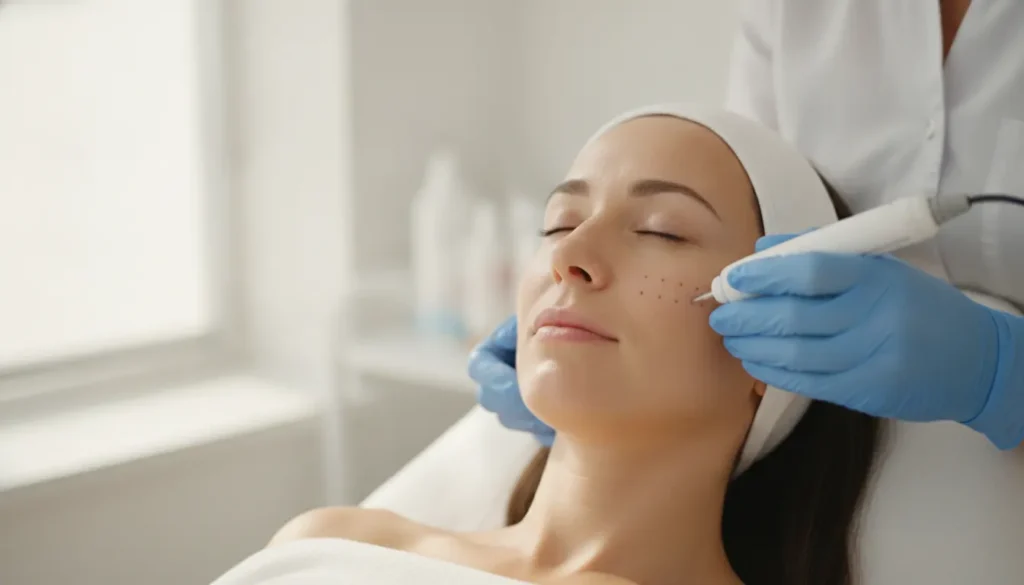
Microneedling uses thin needles to create controlled, uniform micro-injuries in the skin. That healing response can stimulate collagen and elastin production, supporting gradual skin remodeling and a smoother, more even appearance. Wilmarwell uses the MDPEN Ultra platform for these treatments, while keeping expectations realistic: it is supportive skin rejuvenation, not a cure for deep aging or skin damage. Learn more about the mechanism.
The value of the treatment starts with understanding the biology behind those carefully controlled punctures. Once that foundation is clear, it becomes easier to evaluate which concerns it may help, how a session feels, and whether the approach fits your goals.
How Microneedling Works: The Science Behind Controlled Skin Injury
Microneedling works by creating a carefully controlled healing signal in the skin. A device with fine needles passes over the treatment area, allowing the needles to enter the skin at a consistent depth. These tiny channels are small by design, but they give the skin a reason to begin its normal repair process.
Fine needles create a consistent starting point
Unlike an accidental scrape or uneven irritation, a professional microneedling treatment is planned and controlled. Rows of thin needles penetrate the skin to a uniform depth, creating many small punctures rather than one broad injury. This consistency matters because the treatment can be applied evenly across the face or another selected area. The depth and approach can also be adjusted to the treatment area, skin condition, and individual goals by a trained provider.
The mechanism is described in detail by the National Center for Biotechnology Information, which explains that microneedling creates controlled skin injury through uniform needle penetration. The goal is not to damage the skin indiscriminately. It is to encourage a measured response while preserving the surrounding tissue.
Your skin responds through its natural repair process
Once the micro-injuries are created, the body begins a healing response. The skin sends repair signals to the treated area, and that process supports the production of collagen and elastin fibers. Collagen helps provide structure, while elastin contributes to the skin’s ability to flex and return to shape. Together, these changes can support gradual skin remodeling and a smoother, more refreshed appearance.
This is why microneedling is better understood as a supportive skin-rejuvenation treatment, not a cure for deep aging or every type of skin damage. It works with the skin’s own repair mechanisms, and the visible response varies from person to person. Skin condition, treatment depth, aftercare, and the concern being addressed all influence what someone may notice over time.
Why uniform depth matters
Even needle placement helps create a more predictable treatment experience. It allows the provider to address the intended layer of skin without relying on random or inconsistent penetration. That controlled approach is part of what makes microneedling a minimally invasive option for people interested in texture-focused skin rejuvenation.
In practical terms, the treatment creates the conditions for the skin to remodel itself. The needles are only one part of the process. The longer-term work happens as the healing response supports collagen and elastin activity after the appointment.
Key Microneedling Benefits for Your Face and Skin
Microneedling can support several visible skin goals at once because it works through controlled stimulation rather than a single surface-level action. As the skin responds to the treatment, collagen production and remodeling may help create a smoother, more even appearance over time. The treatment is commonly used for texture concerns, scars, fine lines, and uneven tone, but results vary by skin condition, treatment depth, and individual healing response.
A smoother, more refined skin texture
One of the most practical benefits is improved texture. Microneedling creates carefully controlled micro-injuries that encourage the skin’s natural repair process. That remodeling response can soften the look of roughness and help the surface feel more uniform. It is not a cure for deep skin damage or aging. But it can be a supportive option for people who want gradual skin rejuvenation without a more invasive procedure.
Support for acne scars and stretch marks
Microneedling is used for a range of scar concerns, including acne scars and some stretch marks. The treatment does not erase a scar in one appointment, and the depth, type, age, and location of the scar all matter. Instead, repeated treatments may help make irregular areas look less noticeable as the skin remodels. A professional evaluation is important before treatment, especially when active breakouts or irritated skin are present.
Fine lines and uneven tone
By supporting collagen and elastin production, microneedling may diminish the appearance of fine lines and soften early signs of texture-related aging. It can also help fade the look of uneven skin tone. These benefits are best understood as progressive improvements, not a promise of perfectly uniform skin. Consistent sun protection and a skin-care routine selected for your needs remain important parts of maintaining tone and texture.
Appropriate for many skin tones
Research describes microneedling as a safe skin-rejuvenation technique for all skin types, including darker skin tones. A review published in the medical literature specifically notes its safety for dark skin types. That does not mean every person or every skin condition is automatically a candidate. Treatment settings should be individualized, and a consultation can identify contraindications, active inflammation, or another approach that may better fit your goals.
For patients interested in pairing skin rejuvenation with a platelet-rich plasma approach, Wilmarwell also offers PRP microneedling. Your provider can explain whether that option makes sense for your skin and expectations.
Microneedling vs. Other Skin Rejuvenation Treatments
Choosing a skin rejuvenation treatment depends on the concern you want to address, how much downtime you can accept, and whether you need surface exfoliation or deeper remodeling. Microneedling uses controlled, uniform needle penetration to stimulate the skin’s healing response. It reaches deeper than microdermabrasion while generally remaining well-tolerated and associated with minimal downtime. It is also considered a relatively inexpensive alternative to some other rejuvenation procedures. Learn more about the clinical basis of microneedling.
| Treatment | How it works | Often considered for | Downtime and considerations |
|---|---|---|---|
| Microneedling | Fine needles create controlled micro-injuries at a selected depth, supporting collagen and elastin production. | Texture, fine lines, uneven tone, and certain acne scars. | Usually minimal downtime. Temporary redness, irritation, or mild swelling can occur. Depth and intensity should be selected to match the treatment goal. |
| Microdermabrasion | A surface-focused exfoliation removes the outermost layer of dead skin cells. | Dullness, mild surface roughness, and a refreshed appearance. | Often has little downtime, but it does not reach as deeply as microneedling. Because microdermabrasion stays on the surface, it may be less suited to deeper acne-scar concerns. See Healthline’s microdermabrasion overview. |
| Chemical peel | A chemical solution exfoliates damaged surface layers, with strength varying by peel type. | Selected concerns involving surface texture, tone, or discoloration. | Recovery varies by the peel’s strength. Peels may produce visible peeling or sensitivity, so professional assessment matters, especially for pigment-prone skin. |
| Laser resurfacing | Laser energy removes or heats targeted skin layers to encourage renewal and remodeling. | More pronounced texture, pigment, or signs of photoaging when a stronger procedure is appropriate. | Downtime and side effects vary widely by laser and settings. It may involve more recovery, cost, and sun-protection planning than microneedling. |
| RF microneedling | Needles deliver radiofrequency energy beneath the surface, combining controlled needling with heat-based dermal remodeling. | Patients considering a more energy-based approach to texture and firmness concerns. | Results, sensation, and recovery depend on the device and settings. Read about RF microneedling compared with traditional microneedling. |
No single option is best for every skin concern. Microneedling may be a practical middle ground for someone who wants more than surface exfoliation but is not looking for the recovery associated with a more intensive resurfacing treatment. Because treatment depth, skin condition, and medical history affect the recommendation, a consultation should come before deciding between traditional microneedling, RF microneedling, a peel, or laser resurfacing.
What Happens During a Microneedling Session
A microneedling appointment is planned around your skin, treatment goals, and comfort. At Wilmarwell, the process uses the MDPEN Ultra platform to create controlled, uniform micro-injuries that support the skin’s natural remodeling response. A typical appointment takes about 30 to 60 minutes, including preparation and treatment.
- Consultation and skin assessment. Your provider begins by discussing the concerns you want to address, such as uneven texture, fine lines, or scarring. They assess your skin and review relevant health information before deciding whether microneedling is appropriate. This conversation also helps determine the treatment approach and what kind of improvement is realistic. Microneedling is supportive and restorative, not a cure for deep aging or skin damage, so setting practical expectations is an important part of the visit.
- Skin preparation and topical anesthetic. The treatment area is cleansed and prepared. A topical anesthetic is applied before the microneedling pass to improve comfort. The timing can vary based on the treatment area and your individual needs. Your provider will explain what you may feel during the procedure, and you can communicate throughout the appointment if anything feels uncomfortable.
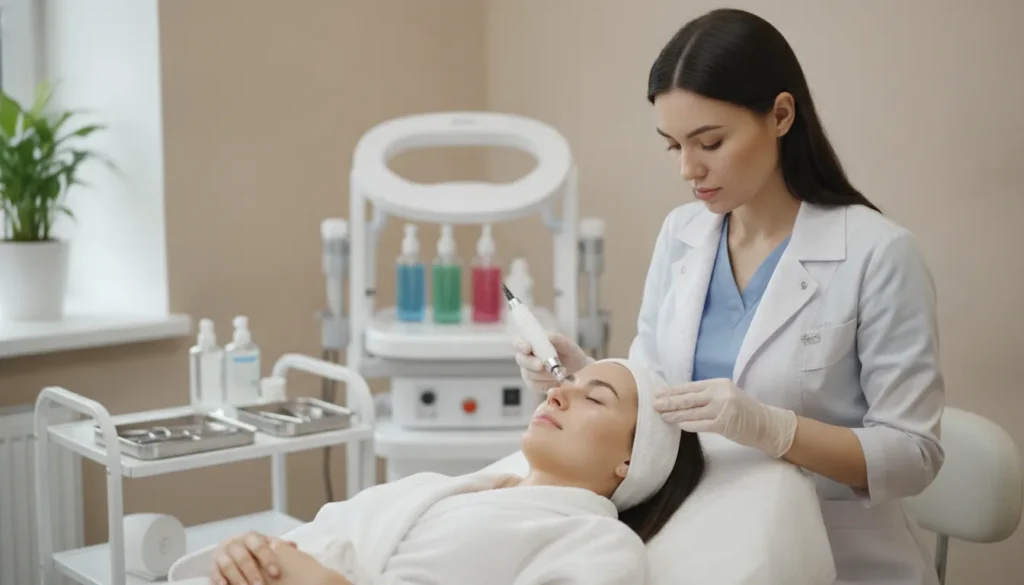
- Controlled microneedling with MDPEN Ultra. Once the skin is ready, the provider guides the MDPEN Ultra device across the planned treatment area. Its thin needles penetrate the skin to a controlled, uniform depth, creating precise micro-injuries rather than an uncontrolled surface abrasion. That controlled response encourages the healing process associated with collagen and elastin production. The device is moved methodically across the skin so the treatment remains consistent, while your provider adjusts the approach according to the area and your assessment.
- Immediate post-care guidance. After the pass is complete, your provider reviews how to care for your skin while it settles. Some temporary redness, mild irritation, or minor swelling can occur after microneedling. These effects are commonly short-lived, but your provider will explain what to expect for your specific treatment and when to contact the office with a concern. Follow the recommended aftercare instructions rather than adding unapproved products or procedures immediately after treatment.
If you are considering a treatment that may be paired with a restorative plan, ask whether PRP microneedling fits your goals. Your provider can explain the options during your consultation.
Recovery and Results: What to Expect After Microneedling
Most people can return to their usual routine relatively quickly after microneedling. The treated skin may look red or feel warm, tight, or mildly irritated at first. Minor swelling can also occur. These effects are temporary and typically subside within a few days as the skin settles.
What recovery may feel like
Right after treatment, your skin may resemble a mild sunburn. Redness is common, and some people notice sensitivity or slight puffiness in the treated area. The intensity of these effects can differ depending on the treatment area, the depth used, and your individual skin response. Minimal downtime is one reason microneedling is often considered a practical alternative to more invasive skin-rejuvenation procedures.
Even when visible irritation fades quickly, the skin is still responding to the controlled treatment. Follow the aftercare guidance provided by your practitioner, and avoid adding unapproved products or aggressive treatments while your skin is recovering. If your reaction seems unusually intense, lasts longer than expected, or concerns you, contact your provider for individualized guidance rather than trying to self-diagnose.
Why results usually build over multiple sessions
Microneedling supports the skin’s natural remodeling process by creating controlled micro-injuries. That process stimulates collagen and elastin production, so improvement is not limited to what you see immediately after an appointment. Many people need multiple sessions for optimal results, with appointments typically spaced several weeks apart to allow the skin to recover between treatments. Your recommended plan should reflect your goals, skin condition, treatment depth, and how your skin responds.
Results vary from person to person. Microneedling is a supportive and restorative treatment, not a cure for deep aging or skin damage, and no responsible provider can promise identical outcomes for every patient. If you want a more detailed explanation of how changes may develop between appointments, review Wilmarwell’s realistic microneedling results timeline. That resource covers progression in greater detail without replacing a consultation tailored to your skin.
A consultation is the best time to discuss your desired outcome, realistic expectations, and the number of sessions that may be appropriate. You can also review how microneedling pricing works so the plan is clear before scheduling. This approach keeps the plan focused on gradual, natural-looking skin rejuvenation rather than promising an immediate or uniform result.
Microneedling Safety: Who It’s Right For and Common Side Effects
Microneedling is generally well-tolerated and involves minimal downtime. It can be a practical option for people who want gradual skin rejuvenation rather than a more invasive procedure. Research describes it as suitable for most skin types, including darker skin tones, when performed with appropriate technique and care. A consultation still matters because the right treatment plan depends on your skin, concerns, and goals.
Who may be a good candidate?
Microneedling may suit adults concerned about uneven texture, fine lines, acne scars, or an uneven-looking skin tone who want to support the skin’s natural remodeling process. It can be considered across a broad range of skin tones. A review in the medical literature specifically describes microneedling as a safe technique for darker skin types, which is important when evaluating skin-rejuvenation options.
The goal should be realistic. Microneedling creates controlled micro-injuries that encourage the skin’s healing response, but it is supportive and restorative, not a cure for deep aging or significant skin damage. It also should not be presented as a treatment for a medical disease. Results vary, and a provider may recommend more than one session depending on the concern being addressed and the depth or intensity selected.
What side effects are common?
Temporary redness, mild irritation, and minor swelling are the most common effects discussed after treatment. These reactions reflect the skin’s response to the controlled treatment and generally settle as the skin recovers. Wilmarwell notes that some redness and mild irritation are common, with patients typically recovering within a few days. You should plan around that short recovery window even when your schedule allows for minimal downtime.
Individual responses can differ. Your provider should explain what is expected, how to care for your skin afterward, and when a reaction is outside the usual recovery pattern. Follow those instructions carefully, avoid assuming that more intense treatment is automatically better, and share relevant skin or health information during your consultation. Safe microneedling is not only about the device. It also depends on appropriate treatment selection, clean technique, and honest communication about what the procedure can and cannot do.
For a personalized recommendation, a consultation can help determine whether microneedling fits your goals and whether the expected downtime works for you.
Why Wilmarwell Uses the MDPEN Ultra Microneedling Platform
The platform used during a microneedling treatment matters because controlled technique matters. Wilmarwell uses the MDPEN Ultra microneedling platform for its treatments, pairing a precision-focused device with an individualized approach to skin rejuvenation. The goal is not to promise a dramatic overnight change. It is to create a carefully managed treatment experience that supports the skin’s own renewal process.
Designed for controlled, consistent treatment
Microneedling uses very fine needles to create controlled micro-injuries in the skin. Those small punctures encourage the healing response associated with collagen and elastin production, which can support gradual skin remodeling. The needles are designed to penetrate to a uniform depth, an important part of keeping treatment controlled and consistent across the area being treated. The exact approach still needs to be selected for the individual, including the treatment area, skin condition, and tolerance.
That combination of precision and customization is one reason Wilmarwell incorporates MDPEN Ultra microneedling into its aesthetic services. A platform does not replace clinical judgment, and it cannot guarantee a specific outcome. It gives the provider a structured way to perform the treatment while maintaining attention to comfort, skin response, and realistic expectations.
Part of a broader skin and wellness plan
In the right context, microneedling is one component of a broader plan rather than a stand-alone solution. Consistent skincare habits, sun protection, hydration, sleep, and other wellness routines can help support the skin while it recovers and responds to treatment. These habits do not turn microneedling into a cure for deep aging or medical disease, but they can help create a stronger foundation for ongoing skin care.
Wilmarwell’s integrated approach also means discussing what you want to improve, what you have already tried, and what kind of maintenance feels practical for you. Some people are primarily concerned with texture, while others want to address the appearance of fine lines or certain scars. Your consultation should clarify whether microneedling fits those goals, whether another treatment may be more appropriate, and what level of improvement is reasonable to expect.
Understanding the platform is helpful, but the next practical questions are often about comfort, downtime, candidacy, and possible side effects. The FAQ below addresses those considerations so you can decide whether a consultation is the right next step.
Schedule a microneedling consultation at Wilmarwell today.
Frequently Asked Questions
Who is a good candidate for microneedling?
Microneedling may suit adults who want to improve uneven texture, acne scars, fine lines, or uneven skin tone. It is generally considered appropriate for most skin types, including darker skin tones, but a consultation is still important. Wilmarwell can review your skin, goals, medical history, and current products before recommending treatment.
What happens during a microneedling session?
After your skin is cleansed, a topical anesthetic may be applied to improve comfort. The MDPEN Ultra device then creates controlled, uniform microchannels across the treatment area. A session commonly takes about 30 to 60 minutes, depending on the area being treated. See the MDPEN Ultra microneedling service page for more detail.
What should I expect after microneedling?
Temporary redness, mild irritation, and minor swelling can occur after treatment. These effects commonly settle within a few days, although your recovery can vary with treatment intensity and individual sensitivity. Follow the aftercare plan provided by your clinician, and protect your skin while it recovers.
How many microneedling treatments will I need?
There is no single session count that fits everyone. The recommended plan depends on your skin concerns, treatment depth, and response over time. Multiple sessions are often recommended, and results vary. Microneedling is supportive skin rejuvenation, not a cure for deep aging or skin damage, so realistic expectations matter.
Ready to Explore MDPEN Ultra Microneedling?
Understanding how microneedling works is a helpful starting point, but your skin goals and treatment history still matter. A consultation can help you discuss whether MDPEN Ultra is an appropriate fit and what a realistic plan may look like.
Schedule a consultation at Wilmarwell to learn whether MDPEN Ultra microneedling is right for your skin goals.
To understand the biology behind this treatment, read our guide to collagen induction therapy and microneedling science.