When skin looks less even, feels rough, or shows fine lines, the most useful question is not whether a treatment promises an instant transformation. Instead, ask how the treatment works and whether that mechanism fits your skin and goals. Collagen induction therapy takes a gradual approach. Professional microneedling creates controlled micro-injuries that signal the skin to begin a structured repair response. At Wilmarwell Aesthetics & Wellness in Richmond, TX, MDPEN Ultra is used as a medical-grade tool within an individualized plan.
Call Wilmarwell at (832) 495-7404 to discuss your skin goals
Collagen Induction Therapy: Microneedling Science
Written by Margaret C. Okudo, RN
Collagen induction therapy is another name for microneedling. A professional device creates controlled micro-injuries in the dermis, which activates the body’s natural healing response and may support new collagen and elastin production. The result is gradual skin remodeling, not an instant change or a promise of identical results for every patient.
This distinction matters. The treatment does not replace a medical assessment, remove every scar, or guarantee a certain level of improvement. It gives a qualified provider a way to work with the skin’s repair process while considering treatment depth, recovery, health history, and realistic expectations. The sections below explain the science and the patient experience without overstating what microneedling can do.
What Is Collagen Induction Therapy?
Collagen induction therapy is a skin-remodeling procedure that uses fine needles to create precise, controlled channels in the skin. Those channels start a localized healing response. As the skin repairs itself, it may produce collagen and elastin that support a smoother-looking texture, softer-looking fine lines, and a more even appearance over time.
The terms collagen induction therapy and microneedling generally describe the same treatment approach. Microneedling emphasizes the device and technique. Collagen induction therapy emphasizes the intended biological response. Neither term means that new collagen appears immediately. Both refer to a process in which controlled stimulation is followed by healing and remodeling.
A microneedling device uses rows of fine needles to make small punctures at a selected depth. The goal is not to remove a broad layer of skin. Instead, the provider creates a measured stimulus in the treatment area. Depth and technique should be adjusted for the location, skin condition, concern being addressed, and the person’s tolerance.
The dermis is the deeper layer of skin that contains much of the structural support for the skin. Reaching this layer in a controlled manner helps explain why professional treatment is different from an uncontrolled injury. The provider is not treating every face or every concern with one fixed setting. A careful plan respects the area being treated and the skin’s condition on that day.
For a broader introduction, read Wilmarwell’s guide to what microneedling is and what to expect. This article takes a narrower, science-focused angle so readers can understand collagen production before discussing an MDPEN Ultra appointment. Readers comparing treatment goals can also review the microneedling benefits guide for a broader overview.
How Does Collagen Induction Therapy Stimulate Collagen?
Microneedling stimulates collagen through a controlled wound-healing signal. Fine needles create microscopic channels in the dermis. The body responds with local repair activity, including signals that coordinate tissue recovery and structural protein production. Remodeling then develops gradually, so the visible response is evaluated over time rather than expected immediately after treatment.
Controlled micro-injuries begin a repair signal
When the needles create tiny channels, the skin recognizes a localized injury and begins its normal healing response. Signaling molecules and growth factors help coordinate repair in the treated area. In practical terms, the treatment gives the skin a temporary reason to reinforce and reorganize its underlying support.
The word controlled is important. A professional chooses a treatment pattern and depth instead of creating random trauma. A more aggressive setting is not automatically a better setting. Skin thickness, the treatment area, the concern, previous procedures, and individual sensitivity all inform the plan. This is one reason a device alone cannot determine whether treatment is appropriate.
Fibroblasts support new structural proteins
During healing, fibroblasts and other cells involved in connective-tissue repair help produce structural proteins. Collagen contributes strength and support. Elastin helps skin maintain flexibility. Microneedling does not inject a replacement material into the skin. Its intended role is to encourage the body’s own repair activity in a controlled setting.
The National Center for Biotechnology Information describes microneedling as a technique that can induce a wound-healing response and support collagen remodeling. That clinical overview is useful background, but it does not predict an individual patient’s outcome. Treatment response depends on biology, technique, aftercare, and the concern being treated.
Remodeling takes time
New collagen is not an instant surface filler. The skin must move through repair and remodeling, and the visible response can vary. Some people notice changes in texture before they notice changes in fine lines. Others may need a series of treatments before the difference is easy to evaluate. The responsible goal is measured improvement, not perfection.
A consultation should therefore include timing. It should explain what may be visible during early recovery, when progress can reasonably be reviewed, and whether another session might be appropriate. This approach keeps the science useful without turning a general mechanism into a promise.
Review the clinical microneedling overview from NCBI for additional background on the treatment mechanism and recovery considerations.
What Skin Concerns Can It Address?
Collagen induction therapy may be considered for the appearance of fine lines, uneven texture, visible pores, and certain acne scars. It can support gradual remodeling in the treated area, but it does not erase every scar, permanently close pores, or cure active acne. It also cannot guarantee the same result for every person. Assessment remains essential.
Fine lines and uneven texture
As remodeling develops, treatment may soften the appearance of fine lines and create a smoother-looking surface. It may also help skin that feels rough or looks less even. The aim is not to make skin look artificial. It is to support a balanced appearance that fits the person’s goals and skin condition.
Visible pores
Microneedling may improve the appearance of surrounding texture, which can make pores look less noticeable. It does not permanently remove or close pores. Pores are normal skin structures, and their appearance is influenced by oil production, skin elasticity, congestion, and lighting. A provider should explain that texture improvement is different from changing the anatomy of a pore.
Acne scarring and uneven tone
Some acne scars may become less noticeable as the skin remodels. Scar type, depth, age, and active inflammation all matter. A deeper or more complex scar may call for another approach or a combined plan. Uneven tone also requires care, especially when the skin is inflamed or sensitive. Treatment should be postponed or adjusted when the skin is not ready.
| Concern | How treatment may help | Important limitation |
|---|---|---|
| Fine lines | May support gradual remodeling that softens their appearance. | Change develops over time and varies by person. |
| Uneven texture | May encourage a smoother-looking skin surface. | Settings and skin condition influence the plan. |
| Acne scars | May soften the appearance of some scars. | Scar type and severity need professional assessment. |
| Visible pores | May improve the look of surrounding texture. | It does not permanently close or remove pores. |
These potential uses are not guarantees. Collagen induction therapy cannot erase every mark, stop every breakout, or replace treatment for an underlying skin condition. The purpose of an evaluation is to identify the concern, discuss alternatives, and choose an approach that matches the person’s skin and expectations.
What Is an MDPEN Ultra Session Like?
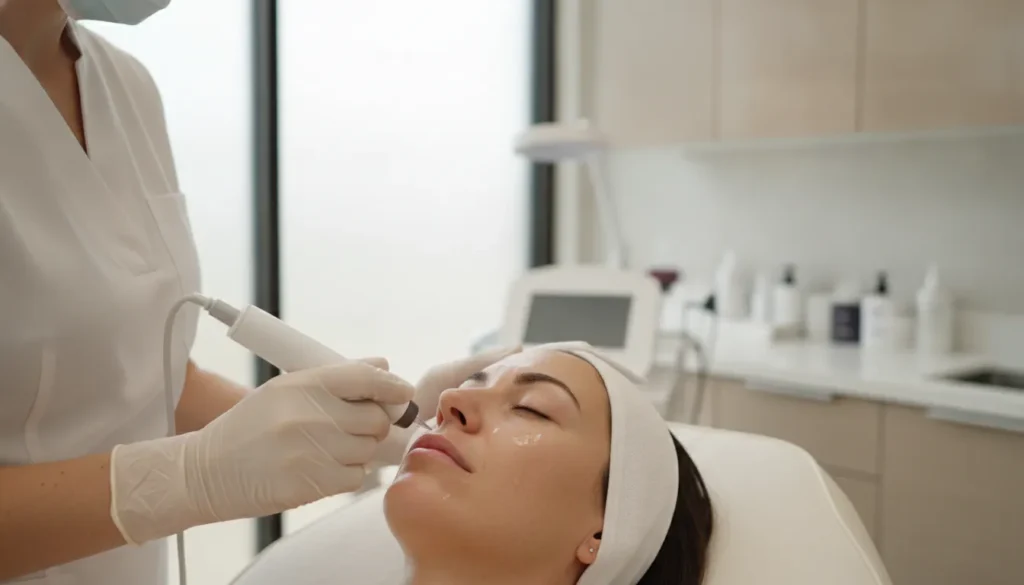
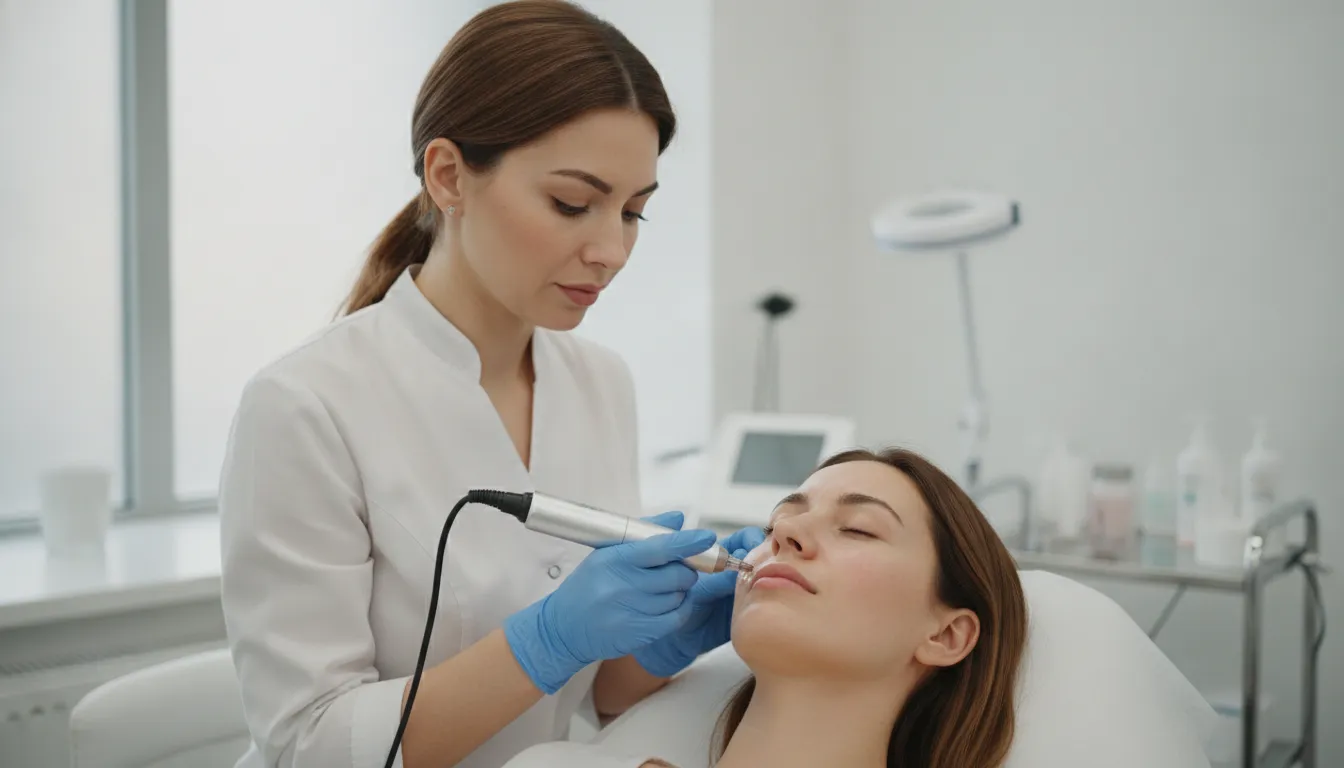
An MDPEN Ultra appointment at Wilmarwell is a focused, medical-grade microneedling session that typically takes about 60 minutes. The provider assesses the skin, prepares the area, selects an individualized depth, and reviews aftercare. Targeted serums, gels, PRP, or PRF may be discussed when they fit the patient’s plan.
- Discuss the goal and skin status. The provider reviews your concern, treatment area, current skin condition, relevant history, and expectations. This helps determine whether microneedling is appropriate. It also clarifies whether the plan should be changed or postponed.
- Prepare the skin. The treatment area is cleansed and prepared before the device is used. Wilmarwell’s MDPEN Ultra service uses sterile, single-use needle cartridges. A fresh cartridge supports a clean process for each appointment.
- Apply controlled microneedling. The device creates precise micro-injuries at a depth selected for the area and treatment purpose. The goal is an intentional stimulus, not the deepest possible setting. Treatment should respect your skin’s condition and sensitivity.
- Consider supportive options. Wilmarwell offers targeted serums or gels. The team may also discuss platelet-rich plasma or platelet-rich fibrin when appropriate. These options are not automatic additions. They should not be presented as a guarantee of faster healing or a specific outcome.
- Review aftercare and next steps. Before leaving, you should understand how to care for your skin and which temporary responses may be normal. You should also know when to contact the provider. Read about the MDPEN Ultra microneedling service for Wilmarwell’s treatment details.
The appointment is designed around the patient rather than a fixed formula. A consultation is the right place to ask about treatment depth, areas, supportive options, recovery, and whether this type of collagen induction therapy fits your goals.
How Many Sessions and How Much Downtime Should You Expect?
Many microneedling plans involve a series of about three to six sessions spaced several weeks apart, but there is no universal schedule. Spacing allows the skin to recover and gives remodeling time to develop. Redness or swelling may resemble a light sunburn and often lasts about one to three days, with individual variation.
Someone seeking a modest texture improvement may have a different plan from someone addressing established acne scarring or visible signs of aging. The provider may adjust the depth, interval, or number of sessions as the skin responds. A general range is not a personal prescription.
Why spacing matters
The skin needs time to move through its healing response. Scheduling treatments too close together may not allow a proper assessment of the previous session. Spacing also gives you and your provider a chance to discuss whether the changes match the original goal. Progress should be evaluated thoughtfully, not measured only by a single immediate photograph.
What early recovery may look like
Temporary redness, tightness, sensitivity, or mild swelling can occur after treatment. These effects are often compared with a light sunburn and commonly settle within one to three days, although recovery varies. Follow the aftercare instructions provided for you. Contact your provider if a symptom is concerning, persistent, or different from what you were told to expect.
Plan important events with recovery in mind, especially if you do not know how your skin will respond. The goal is to let the skin recover, avoid rushing the evaluation, and make future treatment decisions based on an individualized assessment.
Who May Be a Candidate for Collagen Induction Therapy?
A person may be a candidate for collagen induction therapy when the goal is gradual improvement in concerns such as texture, fine lines, or selected acne scars, and the skin is suitable for treatment. Candidacy depends on current skin status, health history, expectations, and professional evaluation, not on age or one concern alone.
Goals and expectations matter
A useful consultation starts with a specific goal. You may want to soften the appearance of acne scars, improve rough texture, or support a more even-looking complexion. Those goals can be discussed honestly without assuming every concern will respond in the same way. The provider should explain what type of change is reasonable and how progress may be evaluated.
Collagen remodeling develops over time. That means the plan should account for a series when appropriate, recovery between sessions, and the possibility that another option may better fit your concern. The aim is not an instant or perfect result. It is a treatment decision that respects your skin and your priorities.
Skin status and history are part of the decision
Tell your provider about active irritation, inflammation, infection, unusual healing, sensitivities, prescriptions, recent procedures, and products that may affect your skin. This information can help determine whether to proceed, change the plan, or recommend waiting. A treatment that may be reasonable for one person may not be appropriate while another person’s skin is actively compromised.
Screening is a safety conversation, not a diagnosis. A qualified provider can assess the skin in person, answer questions, explain temporary responses, and review aftercare. If your skin, health history, or expectations do not align with treatment on that day, postponing may be the responsible recommendation.
For local readers, Wilmarwell’s MDPEN Ultra microneedling in Richmond, TX page provides a service-specific starting point. The appointment itself is where the provider can determine whether the general information in this article applies to you.
Call Wilmarwell at (832) 495-7404 to discuss your collagen induction therapy goals
Frequently Asked Questions
What is collagen induction therapy?
Collagen induction therapy is another term commonly used for microneedling. A professional device creates controlled micro-injuries in the dermis, which starts a healing response and may support new collagen and elastin production. The visible effect develops gradually and varies with the person’s skin, treatment plan, healing, and aftercare.
Does collagen induction therapy really work?
Microneedling can support collagen remodeling and may improve the appearance of selected concerns, including fine lines, uneven texture, visible pores, and some acne scars. It does not guarantee a specific result. The response depends on skin condition, treatment settings, the number of sessions, aftercare, and individual biology.
Is collagen induction therapy the same as microneedling?
In most aesthetic and dermatologic contexts, the terms describe the same basic procedure. Microneedling names the technique of using fine needles to create controlled channels. Collagen induction therapy describes the intended healing and remodeling response. A provider can explain the exact device, depth, and plan used for your treatment.
How many sessions are usually needed?
There is no universal schedule. Many treatment plans involve about three to six sessions spaced several weeks apart, but the appropriate number depends on the concern, skin condition, goals, and response. A professional evaluation should determine whether a series makes sense and when progress should be reviewed.
What is recovery like after microneedling?
Temporary redness, tightness, sensitivity, or mild swelling may occur and can resemble a light sunburn. These effects often last about one to three days, but recovery varies. Follow your provider’s aftercare instructions and discuss any persistent, unexpected, or concerning reaction promptly.