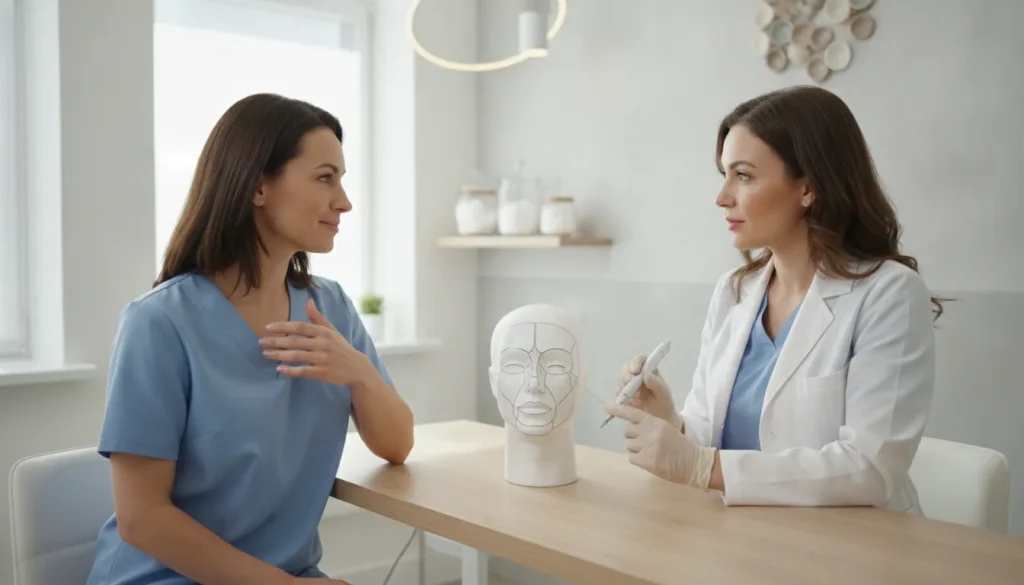

Skin can look tired or uneven even when your routine is thoughtful. For first-time clients in Richmond TX and Greater Houston, microneedling offers a gentle, personalized way to support a smoother, brighter-looking complexion. Book an appointment at Wilmarwell to discuss your goals and whether MDPEN Ultra is right for you.
If you are wondering what is microneedling, it is a minimally invasive collagen induction treatment that uses fine needles to create controlled micro-injuries in the skin. This prompts the body’s natural renewal response, supporting collagen and elastin production for refreshed texture and a more luminous appearance. MDPEN Ultra microneedling brings that science into a precise, thoughtfully guided experience.
The idea may sound more complicated than it feels. Understanding how the treatment works, what concerns it can address, and what to expect can make your first consultation feel clear and comfortable. Start with the skin renewal process behind the treatment, then review microneedling cost as you plan your consultation.
What is microneedling, and how does it work?
Microneedling, also called collagen induction therapy, is a minimally invasive skin-renewal treatment designed to support a smoother, more refreshed appearance. Using a precision device, a trained provider creates tiny, controlled openings at a consistent depth in the skin. This process gives the skin a gentle signal to begin its natural repair response, without removing the surface layer as a peel or resurfacing treatment would.
The science is simple. The fine needles create carefully controlled micro-injuries within the skin, encouraging the body to produce collagen and elastin as part of its normal healing process. Collagen helps provide structure and firmness, while elastin supports the skin’s ability to feel supple and resilient. The result is gradual remodeling that can help the complexion look more even, polished, and naturally luminous.
Clinical references describe microneedling as a procedure that uses rows of thin needles to reach a uniform depth and create a controlled skin injury. You can review the explanation from the National Center for Biotechnology Information. A review published in PubMed Central also identifies microneedling as collagen induction therapy and explains its role in skin remodeling.
At Wilmarwell, this approach is performed with MDPEN Ultra microneedling. The technology supports precise, controlled treatment while allowing the experience to be tailored to your skin and aesthetic goals. That balance of thoughtful technique and personalized care reflects Wilmarwell’s science-meets-artistry approach.
In summary: Microneedling is collagen induction therapy that uses fine needles to create controlled micro-injuries. The skin’s natural healing response then supports new collagen and elastin, helping reveal a smoother, more refreshed complexion over time.
What skin concerns can microneedling address?
Microneedling is designed for clients who want a smoother, more even, naturally refreshed appearance. Because treatment depth and approach can be adjusted for different areas, a personalized plan can support several visible skin goals without changing the character of your features.
Improving skin texture and tone
Uneven texture can make skin look dull, rough, or less polished, even when your skincare routine is consistent. Microneedling creates a controlled renewal process that supports collagen and elastin production. These proteins help maintain elasticity and a firmer, more youthful-looking surface. Research describes microneedling as a versatile option for improving texture and supporting overall skin rejuvenation, rather than as a one-size-fits-all procedure (PMC11499218).
As the skin remodels gradually, the goal is a refined glow and a smoother feel. Your provider can tailor the treatment to the area being addressed, such as the cheeks, forehead, jawline, or other suitable areas. This customization helps keep the experience aligned with your skin’s needs and your preferred level of refreshment.
Softening fine lines and wrinkles
Fine lines often become more noticeable as the skin loses some of its natural elasticity. By encouraging the skin’s own collagen and elastin response, microneedling can support a smoother, firmer appearance over time. It is a gradual rejuvenation approach, so results are intended to look natural rather than overly changed.
Clinical literature identifies fine lines and wrinkles among the concerns commonly addressed with microneedling, along with uneven texture and other signs of visible skin aging (PMC11499218). A consultation can help determine whether traditional microneedling fits your goals or whether another approach may better complement your current routine.
Fading acne scars and more
Microneedling may also be considered when the appearance of acne scars, uneven pigmentation, or stretch marks affects how smooth and uniform the skin looks. The procedure works through controlled micro-injuries and the skin’s natural remodeling response. The dermis, a deeper layer that contributes to skin structure, is involved in this process (NCBI Bookshelf).
For clients interested in an added enhancement, microneedling with PRP may be discussed during a personalized consultation. Any combination should be selected thoughtfully, based on your skin, goals, and provider guidance. Microneedling is best framed as a skin-renewal service, not a treatment for an underlying disease.
In summary: Microneedling can support smoother texture, improved elasticity, softened fine lines, and a more even-looking complexion. Its adjustable approach allows a provider to shape a natural rejuvenation plan around your skin concerns and desired results.
What happens during a microneedling session?
If it is your first appointment, knowing what to expect can make the experience feel much more comfortable. A Wilmarwell session is designed around your skin, your goals, and a gentle, guided approach. Treatments are performed or overseen by licensed practitioners, with attention to both precision and your comfort.
- Consultation and skin assessment. Your practitioner begins by discussing your concerns, reviewing your skin, and answering questions about the treatment. This conversation helps shape a personalized plan, including the areas to focus on and the approach that best suits your goals. It is also the right time to share relevant skin sensitivities or current products.
- Skin preparation and topical numbing. The treatment area is cleansed and prepared before the procedure begins. A topical anesthetic is used to help reduce discomfort during the treatment pass. According to the American Society for Dermatologic Surgery, microneedling is typically completed during a 30-minute office visit, although your total appointment can vary with consultation and preparation.
- Controlled treatment with MDPEN Ultra. Your practitioner uses MDPEN Ultra microneedling to make a precise, controlled pass across the selected areas. The device and treatment settings are chosen for your personalized plan. You may notice a light vibrating or prickling sensation, but your provider can check in throughout the session.
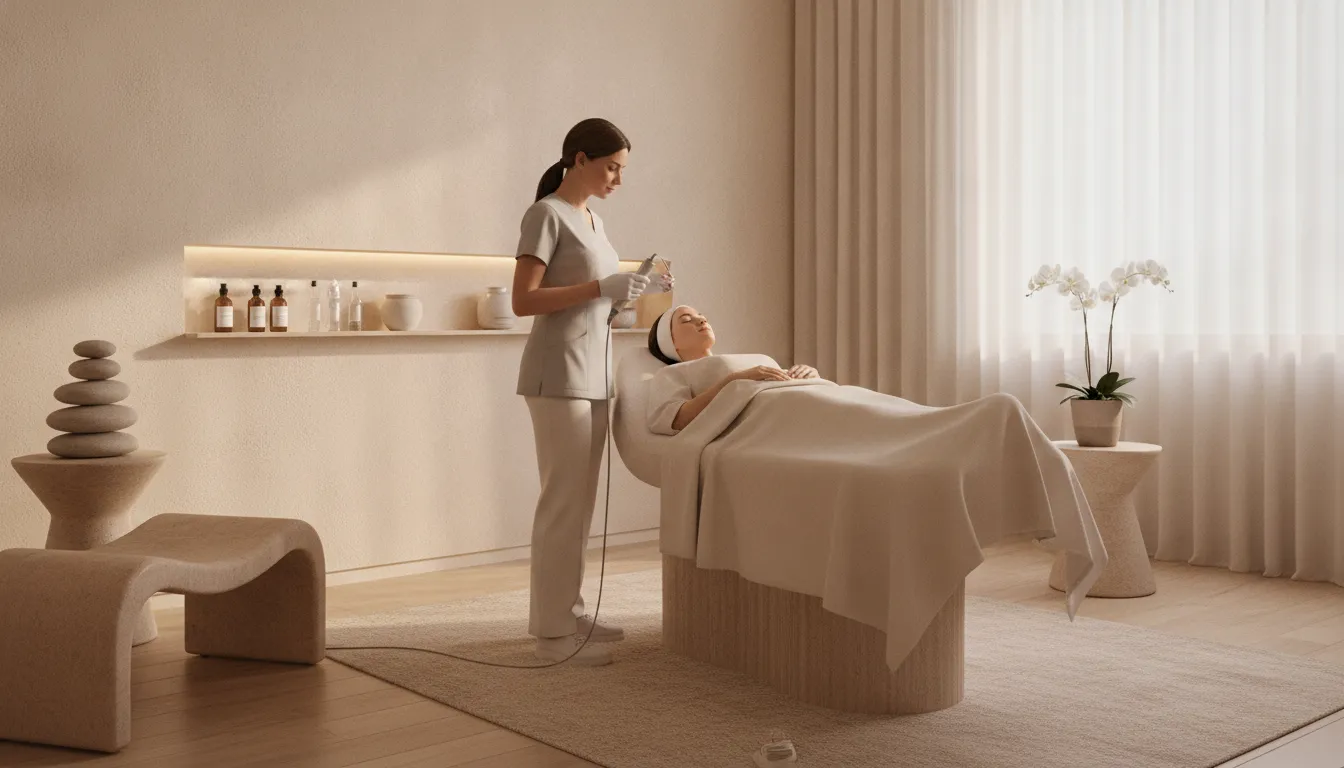
- Immediate calming care. Once the treatment pass is complete, your skin receives soothing care to help it feel calm and refreshed. Mild warmth or temporary redness can occur after microneedling. These effects are generally part of the short-term treatment experience, not a reason to feel alarmed.
- Simple aftercare guidance. Before you leave, your practitioner explains how to care for your skin at home. You will receive guidance about keeping your routine gentle and following any product or activity recommendations provided for your skin. Clear instructions make it easier to protect your comfort while your skin settles.
- Follow-up planning. Your practitioner can discuss how your skin is responding and whether additional sessions may support your longer-term goals. There is no one-size-fits-all schedule. The timing of any future appointment depends on your personalized plan, skin response, and desired level of refinement.
For many first-time clients, the appeal is the polished, intentional experience and minimal downtime. You can ask questions at every stage, so you never have to feel rushed or uncertain about what comes next.
How much does microneedling hurt?
For most first-time clients, microneedling feels more like light prickling or gentle pressure than sharp pain. The sensation can vary by treatment area and personal comfort level, but it is usually manageable throughout the appointment.
What does the treatment feel like?
Many people describe the feeling as a soft scratching sensation, similar to a cat’s tongue moving lightly across the skin. You may notice more sensitivity around the forehead, nose, or upper lip. Your practitioner can adjust the approach to keep the experience comfortable while maintaining precise, controlled treatment.
A topical anesthetic is applied before the procedure to help reduce sensation. The American Society for Dermatologic Surgery describes microneedling as a brief office visit in which topical anesthetic is used. You can read more about the treatment experience from the American Society for Dermatologic Surgery.
What can you expect afterward?
Immediately afterward, your skin may look pink or flushed, much like a mild sun-kissed glow. Redness commonly fades within several hours to a day or two, depending on your skin and the intensity of the session. Some clients notice mild tightness or warmth as the skin settles. Your practitioner will provide personalized aftercare guidance for a smooth recovery.
Microneedling is considered well-tolerated and associated with minimal downtime, according to the NCBI overview of microneedling. That makes it appealing for clients who want a refreshed appearance without a lengthy interruption to their routine. Even so, every skin journey is individual, so a consultation is the best way to discuss sensitivities, expectations, and comfort preferences before beginning.
In short, microneedling usually feels like mild prickling or pressure, not sharp pain. A topical anesthetic helps with comfort, and temporary redness typically fades within hours to a couple of days.
How many microneedling sessions will you need to see results?
Most clients are guided toward a series of three to five microneedling sessions for optimal skin rejuvenation and texture improvement. The right number depends on your starting point, the concerns you want to address, and how your skin responds during the process.
Microneedling is designed for gradual refinement rather than an overnight change. Each session creates controlled micro-injuries that encourage the skin’s natural remodeling response. As collagen and elastin production increases, texture, firmness, and elasticity can continue to develop between appointments. Research describes these proteins as important to skin elasticity and a more youthful appearance. Read the clinical review on microneedling and collagen induction.
Why does improvement build over time?
The visible result is not simply the immediate effect of a treatment. Your skin needs time to move through its natural renewal and remodeling process. With a consistent series, the improvements from one appointment can build on the progress of the previous session. This is why your practitioner may evaluate your skin throughout the series instead of judging the full outcome after one visit.
Some clients notice a fresher look early in the process, while changes in texture and firmness may become more apparent as the series progresses. Your practitioner can explain what is realistic for your skin and recommend adjustments when appropriate. 
What happens after the initial series?
After the first three to five treatments, many clients benefit from a maintenance rhythm that helps support the improvements they have achieved. There is no universal schedule to copy. A personalized plan accounts for your skin goals, response to treatment, and desired level of upkeep. Consistency is central to maintaining and enhancing microneedling-related skin improvements over time.
At Wilmarwell, your practitioner can help shape a thoughtful plan for natural-looking rejuvenation. The goal is not to force a result, but to support smoother texture, refreshed confidence, and skin that looks like you at your best.
In summary: Three to five sessions are typically recommended, with results developing gradually as collagen and elastin support improves texture, firmness, and elasticity. Your practitioner will tailor the series and any ongoing maintenance to your skin.
How does microneedling compare with other skin treatments?
Each skin treatment creates a different path to a smoother, brighter complexion. The right choice depends on your concerns, desired intensity, and how much recovery time fits your routine. Microneedling uses controlled micro-injuries to encourage collagen and elastin support, making it a versatile option for texture, fine lines, and acne scars.
| Treatment | How it works | Best for | Downtime |
|---|---|---|---|
| Microneedling | Fine needles create controlled micro-injuries that support collagen and elastin production. | Uneven texture, fine lines, and acne scars | Minimal; temporary redness may occur |
| Chemical peel | Exfoliating acids lift damaged outer layers to reveal fresher-looking skin. | Dull tone, uneven brightness, and surface discoloration | Flaking or peeling, depending on the peel |
| Laser resurfacing | Focused light energy removes or remodels targeted layers of skin. | More dramatic resurfacing and pronounced texture concerns | Longer recovery, depending on laser intensity |
| Microdermabrasion | A device physically exfoliates the skin’s outer surface. | Light surface dullness and a quick refresh | Minimal |
Microneedling sits between gentle surface exfoliation and more intensive resurfacing. It does not simply polish the outermost layer. Instead, it uses precise needle placement to activate the skin’s natural renewal response. That approach can support gradual, natural-looking improvement while keeping downtime relatively low.
Some treatment plans combine microneedling with radiofrequency or platelet-rich plasma (PRP). RF adds controlled heat beneath the surface, while PRP may be used as part of a personalized collagen-support strategy. Learn more about RF microneedling vs traditional microneedling before deciding which approach fits your goals. The choice should come from a professional assessment, not a one-size-fits-all comparison.
In summary, microneedling is a low-downtime, collagen-supporting option for texture, fine lines, and acne scars, while peels, lasers, and microdermabrasion serve different levels of surface renewal and resurfacing.
How do you choose the right microneedling provider in Richmond TX?
Choosing a microneedling provider is about more than selecting an appointment time. You are trusting someone with your skin, your comfort, and the natural-looking result you want to see. Look for a practice that combines qualified oversight, thoughtful technology, and a consultation designed around you.
Look for licensed, experienced practitioners
Start by asking who performs or oversees each treatment. Wilmarwell procedures are performed or overseen by licensed practitioners, with clinical-grade instruments selected for precision and safety. This professional oversight matters because a provider should understand how to approach different areas of the face and adjust the treatment thoughtfully.
A quality consultation should also leave room for honest questions. Ask what the treatment is intended to support, what kind of recovery to expect, and whether your goals are a good match for microneedling. A provider who explains the process clearly can help you feel informed rather than rushed.
Ask about technology and customization
Technology should support a personalized plan, not replace one. Wilmarwell uses MDPEN Ultra for precise, controlled microneedling treatments. The device creates consistent treatment patterns, while the provider’s assessment helps determine how the session should be tailored to your skin and goals.
Ask how the provider evaluates your concerns and whether the plan can be customized for different areas. A thoughtful approach may focus on overall texture, fine lines, or a refreshed appearance without making your skin look overworked. You can learn more about MDPEN Ultra microneedling in Richmond TX before your consultation.
Why Richmond TX clients choose Wilmarwell
Wilmarwell serves Richmond TX and the Greater Houston community with protocols shaped for local clients and an emphasis on education. The experience is relationship-driven, so your concerns and preferences have a place in the conversation. That helps connect the treatment with your broader beauty and wellness goals.
For a premium experience, look for a provider that pairs science with artistry. The right practice should help you understand your options, set realistic expectations, and feel confident in a plan created for your skin.
In short, the right Richmond TX microneedling provider offers licensed oversight, precise technology, personalized consultation, and care that supports natural-looking skin renewal.
Frequently Asked Questions
Is microneedling safe for all skin types?
Microneedling can be well tolerated across many skin types, but suitability depends on your skin, goals, and current concerns. A licensed practitioner should review your history and create a personalized plan before treatment. This consultation helps keep the experience thoughtful, precise, and appropriate for your needs.
How many microneedling sessions are needed for best results?
Many clients are advised to plan for three to five sessions for meaningful texture and rejuvenation improvements, with timing determined during consultation. The National Center for Biotechnology Information describes microneedling as a process that supports gradual collagen and elastin remodeling. Consistency can help maintain progress over time.
What is the recovery time after a microneedling session?
Recovery is generally brief, although temporary redness or sensitivity can occur as the skin settles. Microneedling is described as well tolerated with minimal downtime by the National Center for Biotechnology Information. Your practitioner will provide aftercare guidance and explain when to resume your usual skincare routine.
Does microneedling hurt?
Most clients experience manageable sensations rather than significant pain. A topical anesthetic may be used before treatment to improve comfort, and your practitioner can adjust the approach based on your sensitivity. Discuss any concerns during your consultation so the session can feel calm and supported.
Ready to book your microneedling consultation?
A personalized consultation can help you understand whether microneedling fits your skin goals and create a thoughtful starting point. If you are in Richmond TX or the Greater Houston area, book your microneedling consultation with Wilmarwell. Our premium skincare approach blends science with artistry to support a refreshed, natural-looking appearance.
For readers who want the biology behind the treatment, see our guide to collagen induction therapy and microneedling science.