Smoother skin does not always require an aggressive resurfacing treatment. For many people, a carefully performed exfoliation can refresh a dull-looking complexion, remove fine facial hair, and help skincare apply more evenly.
Dermaplaning is a minimally invasive treatment that uses a specialized scalpel or razor to gently remove the uppermost layer of skin and peach fuzz. It may help improve the appearance of dryness, fine lines, mild surface imperfections, and sun-damaged skin, but it does not stop aging or permanently remove hair.
Call Wilmarwell at (832) 495-7404 to discuss your skin goals.
Because the best treatment depends on your current skin condition, sensitivity, and overall goals, an informed consultation matters. Understanding how the treatment works is the first step toward deciding whether this type of resurfacing belongs in your Richmond, Texas skin-health plan.
What Is Dermaplaning, and How Does It Work?
Dermaplaning is a minimally invasive skin-resurfacing treatment that gently removes the uppermost layers of the skin. During the service, a trained provider uses a sterile scalpel or a razor designed for skin resurfacing to carefully skim the surface. This removes accumulated dead skin cells and vellus hair, commonly called peach fuzz, from the treated area. The face is the most common treatment area, although dermaplaning may also be performed on other parts of the body when appropriate. Cleveland Clinic describes dermaplaning as a procedure that shaves away the uppermost skin layers.
The technique is controlled rather than aggressive. The provider works across clean, dry skin with precise strokes, adjusting pressure and direction to suit the area being treated. Because the goal is to refresh the surface, dermaplaning is not intended to remove deep layers of tissue or permanently eliminate hair. It can help reveal newer, undamaged skin beneath surface buildup, which may make the complexion feel smoother and look more even. It is best understood as a surface treatment within a broader skin-care plan, not a substitute for medical treatment of an underlying skin condition.
What does dermaplaning remove?
Dermaplaning removes superficial dead skin cells and soft facial hair. Removing peach fuzz can create a smoother-feeling surface, while removing excess surface cells may help the skin look less dull. Some practitioners also use the treatment as preparation for topical products, although product absorption depends on the product, the skin, and the overall treatment plan. The procedure does not change the thickness, color, or growth rate of facial hair. Hair may feel temporarily stubbly as it grows back because shaving creates a blunt tip, but it does not grow back thicker.
Dermaplaning versus microdermabrasion and dermabrasion
Dermaplaning and microdermabrasion are both non-surgical approaches, but they use different methods. Dermaplaning relies on a scalpel or specialized razor to lift away surface cells and hair. Microdermabrasion uses an exfoliating blade to sand the skin, creating a different type of mechanical exfoliation. Neither should be confused with dermabrasion, which Cleveland Clinic classifies as a surgical procedure. The right option depends on your skin concerns, sensitivity, medical history, and desired level of resurfacing. A qualified provider can explain which approach fits your skin rather than treating these names as interchangeable.
Key Benefits of Dermaplaning for Your Skin
Dermaplaning can give the surface of your skin a smoother. Fresher appearance by removing the outermost layer of dead skin cells along with fine vellus hair, often called peach fuzz. The result is not a replacement for a complete skin-care plan. But it can be a useful treatment when your primary concerns are dullness, rough texture, mild unevenness, or makeup that does not sit smoothly.
A smoother, brighter-looking surface
When accumulated surface cells are removed, newer skin is revealed underneath. This can help the complexion look brighter and feel softer to the touch. Dermaplaning may also reduce the appearance of some acne scars and other surface imperfections by revealing newer. Undamaged skin, although the degree of improvement depends on the type and depth of the concern. It is best viewed as a surface-level refinement rather than a treatment that erases every scar or discoloration.
Removing peach fuzz can add to the polished effect. Without that fine hair and surface buildup, foundation and other makeup products may glide on more evenly instead of catching on dry patches or creating a textured finish. This benefit is especially appealing before an event, but the smoother look is temporary as skin cells and facial hair naturally return.
Support for fine lines and uneven tone
Dermaplaning can be considered for fine lines, sun-damaged skin, and a dull or dry appearance. By improving the look of the skin’s surface, it may make early signs of aging and uneven tone less noticeable. It does not stop the aging process, reverse every form of pigmentation, or replace medical evaluation for a changing spot. Realistic expectations matter: the treatment refreshes the surface, while longer-term concerns may require a broader plan.
Potentially better product absorption
With some of the outer surface buildup removed, skin-care products may spread more evenly and have better contact with the skin. Research has examined dermaplaning as a way to prepare skin for transdermal drug permeation. Which supports the idea that the technique can affect how topical products interact with the skin. However, that evidence does not mean every serum will work better or penetrate to the same degree after a cosmetic treatment. Use products recommended for your skin and follow your provider’s instructions.
- Smoother-feeling skin and a brighter-looking complexion
- Less visible surface roughness, fine lines, and some imperfections
- More even makeup application
- Possible support for topical product contact and absorption
These effects are cosmetic and temporary. Dermaplaning can improve texture and appearance, but it does not prevent future skin changes. A thoughtful routine, sun protection, and individualized professional guidance remain important for maintaining skin health.
Is Dermaplaning Right for You? Candidates and Cautions
Dermaplaning may be a good fit if your main concerns are surface-level changes rather than a condition that needs medical treatment. People often consider it for dull or dry skin, fine lines, mild sun damage, or visible peach fuzz. By carefully removing the outermost layer of skin and fine facial hair, the treatment can create a smoother surface and a fresher-looking appearance. It is not intended to stop the aging process or replace a personalized dermatologic treatment plan.
Your provider should first review your current skin condition and your medical and dermatologic history. This conversation helps determine whether dermaplaning is appropriate now, whether an area should be avoided, or whether another treatment would better match your goals.
When to postpone or avoid treatment
Dermaplaning should not be performed over active acne, a cold sore outbreak, eczema, a rash, or irritated or burned skin. Certain moles, freckles, skin tags, and other skin growths also require caution. Cleveland Clinic advises discussing these concerns with a healthcare provider before treatment, particularly when the diagnosis or status of a spot is uncertain. Existing psoriasis and other active skin problems may also call for postponement or a different approach.
Do not treat a new, changing, bleeding, or unexplained growth as a cosmetic concern. Have it evaluated by an appropriate medical professional first. Likewise, tell your provider about recurring cold sores, recent procedures, prescription skin products, and any history of unusual scarring or sensitivity. These details can affect timing and technique.
Considerations for skin of color
Dermaplaning is not automatically unsuitable for deeper skin tones, but skin-of-color considerations deserve a direct, individualized conversation. Dermatology literature identifies post-inflammatory hyperpigmentation, hypopigmentation, keloids, and other complications as concerns that may require special attention in skin of color. You can review this discussion in the PubMed review of cosmetic and surgical considerations for skin of color.
Ask how your provider assesses pigment risk, irritation, healing history, and the specific area being treated. A history of dark marks after minor inflammation or a tendency to form keloids does not mean you cannot discuss dermaplaning. But it does make careful screening and conservative planning more important. The right choice may be to proceed, modify the plan, wait until the skin is calm, or select another resurfacing option.
What to Expect During a Dermaplaning Session
A professional dermaplaning appointment typically begins with a consultation. Your provider will discuss your skin concerns, current products, recent treatments, and relevant medical history. This conversation helps determine whether the treatment suits your skin today or whether it is better to wait. Active acne, cold sores, eczema, rashes, and certain skin growths are among the concerns that may make dermaplaning inappropriate until the area has been evaluated or healed. Cleveland Clinic outlines these precautions.
Consultation and skin preparation
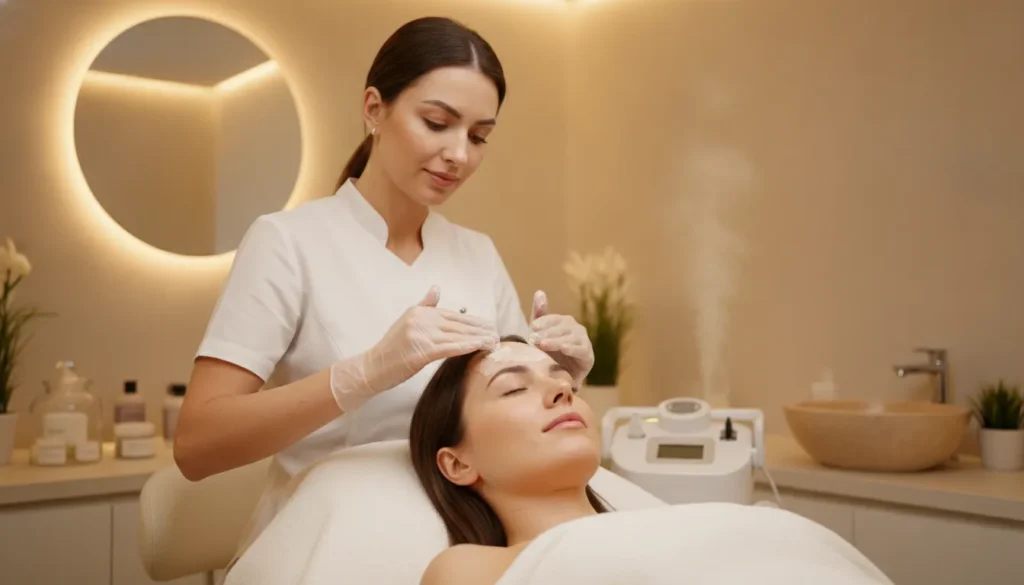
Once dermaplaning is considered appropriate, the provider cleanses the treatment area to remove makeup, oil, and surface debris. Clean, dry skin allows the instrument to move with control. You may be asked to mention prescription products, exfoliants, or other services you use so the treatment can be planned around your skin’s current sensitivity.
What the treatment feels like
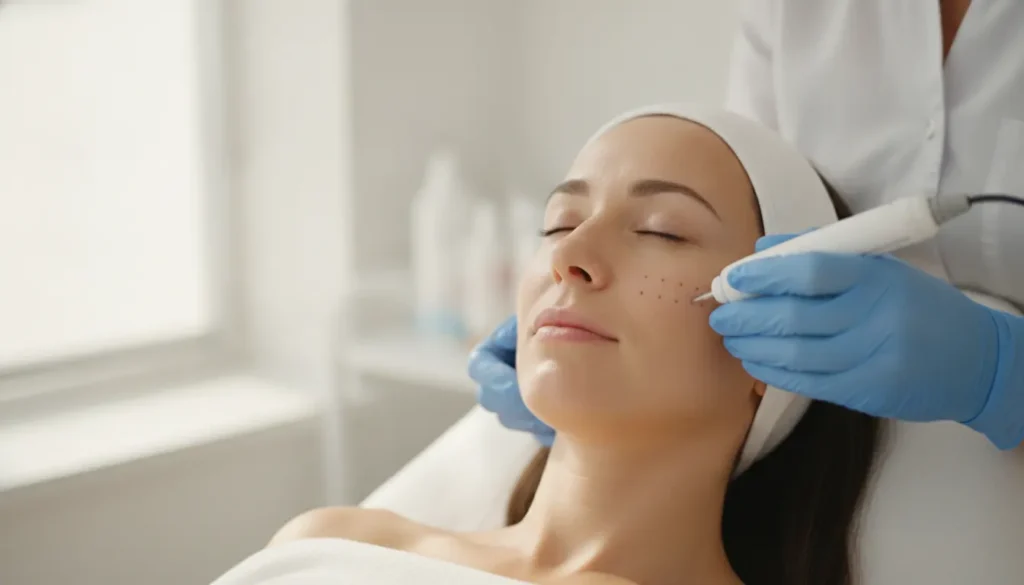
During the procedure, the provider uses a sterile scalpel or specialized razor designed for skin resurfacing. The instrument is held at a controlled angle and moved across small sections of the skin with gentle, deliberate strokes. This removes the outermost surface layer along with fine vellus hair, often called peach fuzz. The sensation is usually described as light scraping or brushing rather than sharp cutting. Most people find dermaplaning generally painless, although you may notice mild sensitivity in a particularly delicate area.
A session often takes about 30 minutes, though timing varies with the treatment area and your individual plan. The provider should work methodically rather than rushing, paying attention to contours around the cheeks, chin, forehead, and other areas being treated. Let your provider know immediately if you feel burning, pinching, or discomfort that seems different from the expected gentle scraping sensation.
How often can you schedule dermaplaning?
Dermaplaning is commonly scheduled about every three to four weeks when it is appropriate for the client’s skin and goals. Your ideal interval may differ based on sensitivity, active skin concerns, and any other resurfacing treatments in your plan. More frequent treatment is not automatically better. A consistent, individualized schedule gives your skin time between appointments and helps keep dermaplaning within a broader skin-health routine instead of treating it as a quick fix.
Before you leave, your provider can review what to expect next and how to support your skin after the appointment. Because individual responses vary, a consultation is the best place to decide whether dermaplaning fits your current routine.
Dermaplaning Aftercare and What Results Look Like
Most people notice smoother-feeling skin immediately after dermaplaning, but the first day or two is a time to keep your routine simple. Mild redness, tightness, or dryness can occur as the skin settles. These effects are usually short-lived, although your exact recovery depends on your skin’s sensitivity and the products or treatments used before your appointment.
Follow the aftercare instructions provided by your clinician, and resist the temptation to do more exfoliating at home. Your skin does not need an aggressive reset after a professional treatment. Gentle care helps preserve the comfortable, polished finish while the surface barrier recovers.
- Cleanse with a mild, non-abrasive cleanser and lukewarm water.
- Apply a simple moisturizer to help relieve dryness or tightness.
- Use broad-spectrum sunscreen and limit unnecessary sun exposure.
- Avoid scrubs, exfoliating brushes, retinoids, acids, and other harsh active ingredients immediately afterward unless your provider says they are appropriate.
- Contact your provider if irritation becomes severe, persists, or seems unusual for your skin.
How long does the smoother finish last?
Dermaplaning improves the feel and appearance of the skin’s surface, but it does not stop the aging process or create permanent hair removal. The result is best understood as temporary maintenance. The fine facial hair removed during treatment will grow back, and the smoothest finish commonly lasts about three weeks before normal regrowth and skin turnover become more noticeable. Timing varies from person to person.
As the hair grows, its freshly cut ends may feel slightly coarse or stubbly. That sensation does not mean the hair has become thicker or that dermaplaning changed its growth rate. Shaving does not alter hair thickness, color, or rate of growth. And the temporary result is why some people schedule treatments as part of an ongoing skin-care plan rather than expecting a one-time permanent change. Cleveland Clinic explains that the hair-removal effect is temporary.
It is also reasonable to keep expectations focused on surface refinement. Dermaplaning may help skin look younger and feel smoother, but it cannot prevent future lines, replace daily sun protection, or address every skin concern. A consultation can help determine whether periodic dermaplaning fits your skin goals and whether another resurfacing option would better support them.
Dermaplaning vs. Microneedling and Chemical Peels: Choosing the Right Resurfacing Treatment
These treatments all improve the skin’s surface, but they do not work in the same way or address the same concerns. Dermaplaning uses a specialized scalpel or razor to remove the uppermost layers of skin and fine vellus hair. Microneedling creates controlled micro-injuries to support a skin-renewal response, while a chemical peel uses a carefully selected solution to exfoliate at a chosen depth. Dermatology literature groups these options among broader resurfacing procedures, but the right choice depends on your goals, skin condition, and tolerance for recovery.
| Treatment | How it works | Best for | Downtime | Results |
|---|---|---|---|---|
| Dermaplaning | Gently removes the outermost surface cells and peach fuzz with a specialized instrument. | Dull or dry-looking skin, mild surface roughness, peach fuzz, and a smoother makeup-ready finish. | Usually minimal, although temporary sensitivity or redness can occur. | Skin may look and feel smoother and brighter. Hair removal is temporary, and the treatment does not stop aging. |
| Microneedling | Uses fine needles to create controlled micro-injuries in the skin. | People seeking a more collagen-focused approach for texture, pores, or the appearance of certain scars. | Often includes short-term redness and sensitivity, with recovery depending on treatment intensity. | Changes develop gradually through a series of treatments rather than appearing as an immediate surface polish. |
| Chemical peels | Applies an exfoliating solution to loosen and shed selected layers of skin. | Concerns such as uneven tone, dullness, and surface texture, based on the peel selected. | Ranges from little visible peeling to several days of shedding and sensitivity. | Results vary by formula and depth. A consultation helps set realistic expectations and determine whether repeat treatments are appropriate. |
Choose dermaplaning when your priority is a gentle surface refresh and removal of peach fuzz. It is not the same as dermabrasion, which is a surgical procedure, or microdermabrasion, which uses an exfoliating blade to sand the skin. If your primary concern is deeper textural change, a professional microneedling treatment may be a better fit. Wilmarwell’s professional microneedling and skin resurfacing option can be discussed as part of a customized plan.
Chemical peels may be preferable when controlled exfoliation is the main goal. Wilmarwell’s guide to exfoliating skin rejuvenation treatments explains how peel options can differ. During a consultation, disclose active acne, eczema, rashes, cold sores, recent sun exposure, and your history of pigmentation changes. Skin-of-color patients may need especially thoughtful planning because post-inflammatory hyperpigmentation and keloids require special attention during cosmetic procedures. The safest decision is the one matched to your current skin health, desired outcome, and realistic recovery window.
Does Dermaplaning Make Hair Grow Back Thicker? (And Other Common Questions)
Does dermaplaning make hair grow back thicker? No. Removing peach fuzz with a blade does not change the hair’s thickness, color, or rate of growth. The hair follicle remains unchanged beneath the skin, so dermaplaning cannot make facial hair permanently darker, coarser, or faster-growing. This is consistent with guidance from the Mayo Clinic.
Why, then, can regrowth seem different? Shaving cuts the hair and leaves a blunt tip. As it grows out, that tip may feel coarse or stubbly for a short time. It can also look more noticeable during this phase because the newly exposed tip has not yet softened. That temporary appearance is not a change in the hair itself. Dermaplaning is also not permanent hair removal, so the peach fuzz will return as part of its normal growth cycle.
Is dermaplaning safe for every skin type?
Dermaplaning is not automatically appropriate for every person or every skin condition. Active acne, a cold sore outbreak, eczema, a rash, psoriasis, skin burns. Or certain moles and other skin growths are reasons to postpone treatment and speak with a qualified provider first. A provider should also review your medical history and current skin-care products before treatment.
People with skin of color can often explore cosmetic procedures, but skin response deserves thoughtful planning. Dermatology literature identifies post-inflammatory hyperpigmentation, hypopigmentation, and keloids as complications that may require special attention in skin-of-color patients. A professional assessment can help determine whether dermaplaning fits your skin’s current condition and how to approach it conservatively.
Can I do dermaplaning at home?
Home tools may remove some surface hair, but they do not provide the same controlled technique, skin assessment, or hygiene standards as a professional treatment. Using a blade on active irritation or uneven skin can increase the chance of cuts, inflammation, or an avoidable flare. For a safer plan, have a trained provider evaluate your skin rather than treating a concern you have not identified clearly.
If your goal is broader skin rejuvenation than surface exfoliation can provide, ask how dermaplaning compares with advanced PRP skin rejuvenation. The right option depends on your skin, concerns, and overall treatment plan.
Call Wilmarwell at (832) 495-7404 to talk about whether dermaplaning fits your skin goals.
Frequently Asked Questions
Is dermaplaning actually good for your skin?
It can be a useful exfoliating treatment for suitable candidates. Dermaplaning removes the uppermost layers of skin and fine vellus hair, which may leave the surface looking smoother and more even. It can also help reduce the appearance of some acne scars and other imperfections by revealing newer skin. But it does not stop aging or replace a complete skin-care plan. Cleveland Clinic explains the treatment and its potential benefits.
What is the downside of dermaplaning?
Possible drawbacks include temporary redness, dryness, irritation, or a minor cut, and the cosmetic results are not permanent. Dermaplaning may not be appropriate during active acne, a cold sore outbreak, eczema, a rash, or certain skin growths. Share your medical and dermatologic history during consultation so your provider can determine whether the treatment fits your current skin condition.
Does the hair grow back thicker after dermaplaning?
No. Removing peach fuzz does not change the hair’s thickness, color, or growth rate. As it grows back, the blunt tip can temporarily feel coarse or look more noticeable, which may create the impression that the hair is thicker. This is a normal regrowth effect, not a change in the hair follicle. Mayo Clinic describes why shaving does not alter hair growth.
Is dermaplaning safe for every skin type?
It is not automatically right for every person or every skin condition. Skin-of-color patients should discuss their individual risk profile with a qualified provider because post-inflammatory hyperpigmentation and keloids can require special attention during cosmetic procedures. A careful consultation, appropriate timing, and personalized aftercare help support safer treatment planning. A review in the Journal of Drugs in Dermatology discusses considerations for skin of color.