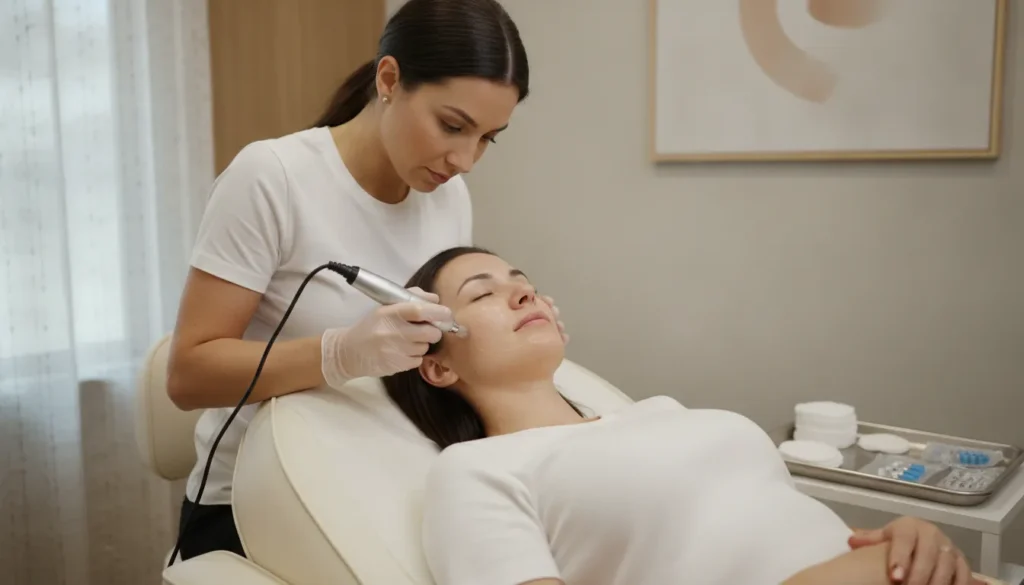
Microneedling may look simple. Safe treatment depends on more than the device or depth setting. Your skin condition, medical history, medications, healing tendency, and the provider’s technique all matter before treatment.
For many people, is microneedling safe comes down to individualized screening and professional technique. The treatment is minimally invasive and can be used across skin tones, but it is not appropriate for everyone, and possible risks include irritation, bruising, scarring, or infection. A qualified provider should explain the benefits, risks, alternatives, and aftercare before treatment.
A careful consultation should identify reasons to delay or modify treatment, confirm what supplies and protocols will be used, and give you space to ask direct questions. Start by looking at who may be a suitable candidate and why a blanket safety guarantee is not possible.
Is Microneedling Safe for Most People?
For many appropriately screened adults, microneedling can be a reasonable minimally invasive treatment. The American Academy of Dermatology notes that it can be used safely across all skin tones, but it also emphasizes that microneedling is not right for everyone. The more useful question is not whether the treatment is universally safe. It is whether your skin, health history, treatment goals, and the planned device and technique make it a suitable choice for you.
Safety starts with candidacy, not the device alone
Microneedling creates controlled openings in the skin, so the treatment temporarily changes the skin barrier. A provider should ask about active skin conditions, recent procedures, medications, healing history, and immune or bleeding concerns before treatment.
Active acne, a skin infection, cold sores, eczema or psoriasis in the treatment area, or a tendency to form keloids may require extra caution. Weakened immunity, a bleeding disorder, or blood-thinning medication may also require treatment to be delayed, modified, or avoided. These factors do not automatically determine what is appropriate for every person. They are reasons to discuss your history with a qualified professional rather than self-clear.
Possible risks include bruising, scarring, and skin infection. Temporary redness, swelling, tightness, itching, pinpoint bleeding, or peeling may also occur. A careful screening process helps put those risks in context. It gives you a chance to ask what is expected, what is not, and when to contact the provider.
Sterile technique and appropriate settings matter
Safety also depends on how the treatment is performed. Ask whether the provider uses sterile, single-use needle cartridges, follows written procedure protocols, and selects device settings based on your skin and the area being treated. The FDA advises consumers to distinguish microneedling devices from products that are not medical devices and to understand the benefits and risks of the specific treatment being considered. Adjustable depth settings can support customized treatment, but customization should be guided by trained clinical judgment, not by choosing the deepest setting available.
In short, the answer to “is microneedling safe?” depends on candidacy, sterile practice, appropriate device use, and honest communication with the treating professional. No provider can promise that a treatment is risk-free or suitable for everyone. A thorough review before treatment is one of the clearest signs that safety is being treated as part of the care, not as an afterthought.
American Academy of Dermatology: microneedling safety and candidacy
FDA: microneedling devices and safety considerations
What Short-Term Effects Are Normal After Microneedling?
Most people notice some temporary changes after microneedling because the treatment creates controlled, superficial channels in the skin. Redness and a warm or tight feeling are common immediately afterward. The skin may also look mildly swollen, particularly in areas where treatment was more concentrated. These effects should be interpreted alongside your provider’s instructions, since treatment depth, skin sensitivity, and the area treated can all affect recovery.
Changes you may notice during the first few days
- Redness and warmth: The skin can resemble a mild sunburn. This usually becomes less noticeable as the initial irritation settles.
- Swelling and tightness: A puffy or stretched sensation can occur while the skin responds to the treatment.
- Itching or sensitivity: Mild itching, tenderness, or increased sensitivity may occur during early recovery. Try not to scratch or rub the treated area.
- Pinpoint bleeding or bruising: Small dots of blood or limited bruising can appear, depending on the treatment settings and individual response.
- Dryness and peeling: As the surface settles, the skin may feel dry or shed small flakes. Peeling is not a reason to pick at the skin, which can add irritation.
These effects are not a guarantee that treatment is appropriate for everyone, and their presence alone does not confirm that healing is proceeding normally. Follow the aftercare plan provided by your treating professional, including guidance about cleansing, products, sun exposure, and when to resume usual skincare. Do not add exfoliants or other irritating products simply to speed up peeling or smooth the surface.
When a change deserves a provider call
Contact the treating provider if symptoms are severe or continue to worsen rather than gradually settle. Contact them if symptoms seem different from what you were told to expect. Increasing pain, marked swelling, spreading redness, drainage, fever, blistering, or other significant skin changes may need prompt professional assessment. Microneedling risks can include skin infection, bruising, and scarring, as noted by the Cleveland Clinic’s microneedling guidance. A provider who knows your treatment settings and medical history is best positioned to advise you about a new or persistent symptom. If you are unsure whether a change is part of normal recovery, asking early is more useful than trying to diagnose it yourself.
Who May Need to Delay or Avoid Microneedling?
Microneedling candidacy depends on more than a person’s skin goals. A consultation should account for the condition of the skin on the treatment day, relevant medical history, current medications, healing patterns, and the depth and technique being considered. If the skin is actively inflamed or the body may have difficulty healing, postponing treatment can be the more appropriate choice.
Skin conditions that may call for a pause
Active acne, an open sore, a cold sore, or another skin infection in the area should be discussed before scheduling. Creating controlled micro-injuries through an active problem may increase irritation and complicate recovery. Eczema and psoriasis also deserve careful review, particularly if symptoms are flaring or the skin barrier is already compromised. Guidance summarized in clinical references, including StatPearls’ microneedling overview, identifies active inflammatory acne and other active skin conditions as important contraindication considerations.
Having sensitive skin does not automatically mean microneedling is inappropriate. It does mean the plan may require closer attention to skin status, product selection, treatment depth, and aftercare. Wilmarwell’s guidance on microneedling for sensitive skin can help frame the questions to bring to a consultation. It should not be used as individualized medical clearance.
Medical history and medication review matter
Tell the treating professional about blood thinners, bleeding or clotting concerns, medicines that affect the immune system, and any condition that may weaken immune response. These factors can influence bruising, bleeding, infection risk, or the body’s ability to recover. A history of keloid or unusually raised scarring should also be disclosed, since prior healing patterns are relevant to treatment planning.
Do not stop a prescription medication simply to become a candidate. Instead, bring an accurate medication and supplement list and ask whether anything needs to be coordinated with the prescribing clinician. The same applies if you are pregnant, recently had another skin procedure, or are managing a chronic condition. The treating professional may recommend waiting, modifying the approach, or choosing a different option.
A responsible screening process is not meant to create unnecessary alarm. It is how a provider determines whether the timing, technique, and aftercare plan fit the individual. Wilmarwell documents a first-time process that includes a Good Faith Exam, medical-history and medication review, contraindication screening, treatment-goal discussion, and informed consent. Those steps cannot guarantee an outcome, but they give the patient an opportunity to disclose concerns and make an informed decision about whether treatment should proceed.
What Should You Ask a Microneedling Provider?
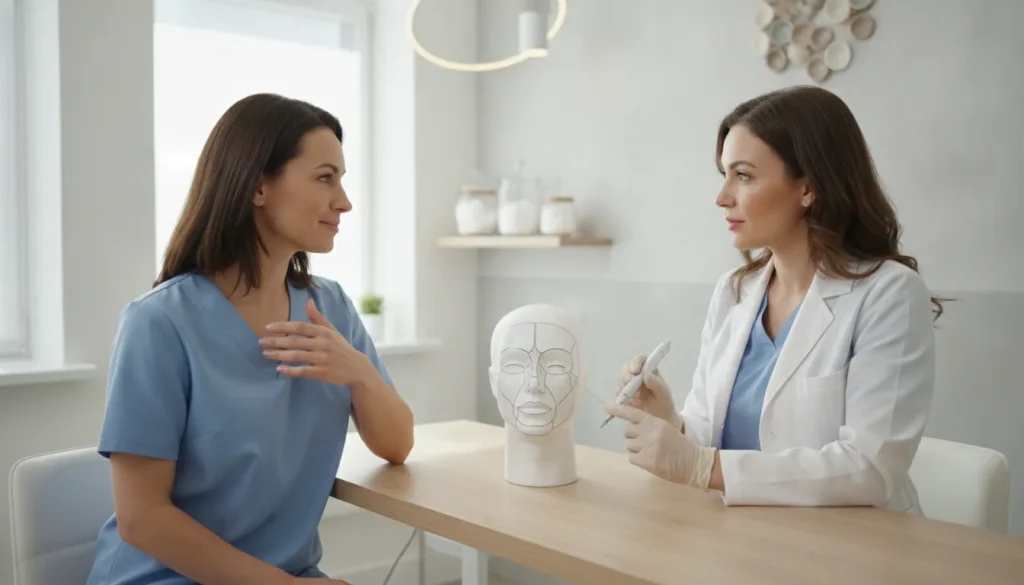
When you’re deciding whether microneedling is right for you, the provider’s process matters as much as the device. A thoughtful consultation should leave room for questions, not pressure you to book immediately. Use the conversation to understand how the practice evaluates candidacy, controls variables during treatment, and responds if your skin does not recover as expected.
Who will perform the treatment?
Ask about the practitioner’s role, relevant training, and the level of clinical oversight available during the procedure. You do not need to rely on a generic claim that a treatment is “safe.” Instead, ask how the provider verifies staff credentials, maintains procedure-specific training, and handles questions outside the practitioner’s scope. A reputable practice should be comfortable explaining those processes clearly.
How do you review medical history and skin conditions?
Ask whether the consultation includes a medical-history and medication review, an assessment of your current skin, and screening for factors that could affect treatment. Active acne, a skin infection, an eczema or psoriasis flare, a history of keloids, a bleeding disorder, blood-thinning medication, or weakened immunity may require postponing treatment or obtaining individualized medical guidance. The answer should not be a blanket yes or no. It should explain how the provider decides whether to proceed, modify the plan, or defer treatment.
Ask what happens before informed consent. You should receive a clear explanation of expected short-term effects, possible complications, alternatives, and aftercare instructions. Wilmarwell’s documented first-time process includes a Good Faith Exam, medical-history and medication review, contraindication screening, treatment-goal discussion, and informed consent. That type of structured screening helps make the decision more personal and clinically grounded.
What device settings and sterile practices do you use?
Ask whether the device allows adjustable treatment depth and how the setting is selected for your skin, treatment area, and goals. Depth should be individualized rather than treated as a one-size-fits-all number. Also ask whether the needle cartridge is sterile and single-use, how it is opened, and how the treatment area and reusable equipment are managed. Wilmarwell documents MDPEN Ultra microneedling with adjustable depth settings and sterile, single-use needle cartridges.
What is your plan if a complication occurs?
Ask for written aftercare instructions and a direct contact process for persistent, worsening, or concerning symptoms. You can also ask whether the practice has written procedure protocols, verifies staff credentials, and maintains a plan for physician backup when complications need additional attention. These questions can help you compare practices thoughtfully. For more guidance on choosing a microneedling provider, focus on transparent screening and communication rather than promises of universally safe treatment.
Questions that support a safer consultation
| Ask about | Why it matters |
|---|---|
| Your skin and medical history | Active conditions or medications may affect timing. Healing patterns and immune or bleeding concerns may also affect candidacy. |
| Device settings and supplies | Adjustable depth and sterile, single-use cartridges support a treatment plan tailored to the area and skin. |
| Aftercare and follow-up | Clear instructions help you recognize expected recovery and know when to contact the provider. |
How Can You Make a Microneedling Session Safer?
Safety begins before the device touches your skin. A careful appointment includes honest screening, clear instructions, appropriate technique, and a plan for follow-up. These steps cannot guarantee a complication-free experience, but they can help you and your provider identify avoidable risks and make decisions suited to your skin and health history.
-
Share your complete health and skin history before treatment
Tell the provider about current skin conditions, recent procedures, medications, allergies, immune concerns, bleeding issues, and any history of raised or thickened scars. Mention active acne, cold sores, eczema, psoriasis, or a skin infection rather than assuming they are unrelated. Screening may also cover your treatment goals and whether microneedling is appropriate now or should be delayed. Follow the individualized recommendation you receive, even if it differs from general advice found online.
-
Follow the preparation instructions you are given
Ask what to pause or avoid before your appointment, including sun exposure and products that may irritate your skin. Do not add extra exfoliation or introduce a new active product simply because you want to prepare more aggressively. Your provider can explain which products and activities fit your situation. If your skin changes before the appointment, contact the office before proceeding instead of trying to conceal the change.
-
Confirm the treatment setup and comfort plan
During the visit, ask questions if you are unsure about the device, depth settings, or sterile supplies. Wilmarwell documents MDPEN Ultra microneedling with adjustable depth settings and sterile, single-use needle cartridges, supporting a treatment plan that can be tailored to the area being treated. You should also understand what sensations are expected and how to signal that you need a pause. For more detail on microneedling comfort and recovery, review the related patient guide.
-
Protect your skin during aftercare
Use the aftercare products and timing provided by your treating professional. Protect the treated skin from sun exposure as instructed, avoid picking or rubbing, and wait to resume potentially irritating products or activities until you have been told they are appropriate. Do not copy another person’s routine because recovery can vary by treatment area, skin condition, and technique. The realistic microneedling timeline can help you understand why visible changes may unfold gradually.
-
Contact the provider when recovery does not seem to be following instructions
Ask in advance which symptoms should prompt a call. Contact the provider if you develop concerns that are persistent, worsening, or different from the expected aftercare guidance, particularly if you suspect an infection or have a reaction that worries you. Do not diagnose the cause yourself or wait for an online checklist to make the decision. Your provider can assess the situation and tell you whether you need an in-person review or another form of care.
When Should You Contact Your Provider After Treatment?
Some redness, swelling, tightness, itching, peeling, pinpoint bleeding, or bruising can occur after microneedling. These effects should generally be discussed in the context of your treatment plan and the aftercare instructions you received. Your provider knows the treatment depth, products used, and your medical history, so their specific guidance should take priority over general information.
Contact your provider if a symptom is persistent, worsening, unusually intense, or different from what you were told to expect. Examples include redness or swelling that continues to increase, marked or escalating pain, significant tenderness, drainage, or skin changes that concern you. Fever or feeling generally unwell after treatment also warrants prompt clinical guidance because an infection or another complication may need assessment. Potential microneedling risks can include infection, bruising, and scarring, although an online article cannot determine what a particular symptom means.
Call sooner when something does not feel right
You do not need to wait for a symptom to become severe before asking a question. Contact the treating practice when you are unsure whether peeling, discoloration, crusting, or swelling is within the expected range, especially if the change is spreading or interfering with normal activities. Send a clear description or a photo only through the communication method your provider recommends. Avoid adding new products, picking at the skin, or trying to treat the issue yourself unless you have been instructed to do so.
For a safety-focused review, your provider may ask about when the symptom began, whether it is improving, what aftercare you followed, and any medication or product applied afterward. Keep those details available. Wilmarwell’s documented first-time process includes medical-history and medication review, contraindication screening, treatment-goal discussion, and informed consent. Those conversations should continue after treatment if a concern develops.
When to seek urgent care
Seek urgent medical care for an emergency, such as trouble breathing, facial or throat swelling, fainting, confusion, or severe rapidly worsening pain. Do not delay emergency evaluation while waiting for a callback if you cannot reach the provider. For non-emergency questions about MDPEN Ultra microneedling, ask about device settings, sterile single-use cartridges, and follow-up support. You can also review how collagen induction therapy works. Educational information does not replace individualized medical advice.
Frequently Asked Questions
Who should postpone or avoid microneedling?
Anyone with an active skin infection, active inflammatory acne, a current cold sore, or another flare should discuss timing with a qualified provider before treatment. Bleeding disorders, blood-thinning medication, weakened immunity, eczema or psoriasis, and a history of keloids also require individualized screening. The American Academy of Dermatology notes that microneedling is not right for everyone, even though it can be suitable for many skin tones. American Academy of Dermatology guidance
What side effects can occur after microneedling?
Short-term redness, swelling, tightness, itching, pinpoint bleeding, bruising, or peeling can occur as the skin responds to treatment. These effects should be discussed during informed consent, along with your provider’s aftercare instructions. Bruising, scarring, and skin infection are also recognized risks, according to Cleveland Clinic, so worsening or persistent symptoms deserve prompt attention. Cleveland Clinic overview
How can I evaluate whether a provider follows safe practices?
Ask who will perform the treatment, how your medical history and medications are reviewed, which device is used, and how depth is selected. Also ask whether cartridges are sterile and single-use, and what follow-up is available if concerns arise. You should receive a clear explanation of risks, benefits, alternatives, and aftercare before providing informed consent. The FDA also advises consumers to understand the benefits and risks and to distinguish medical devices from products that are not medical devices. FDA consumer guidance
Is at-home microneedling safer than professional treatment?
Not necessarily. At-home products vary in design and may not provide the same clinical screening, individualized settings, sterile single-use supplies, informed consent, or follow-up. Avoid assuming that a product is appropriate because it is available without a consultation. Discuss your goals and skin history with a qualified professional before choosing between home use and an in-office treatment.